
President Trump announced comprehensive 15% tariffs on all imported goods just one day after the Supreme Court rejected his emergency powers claim for trade restrictions, escalating global trade tensions with significant implications for technology supply chains.
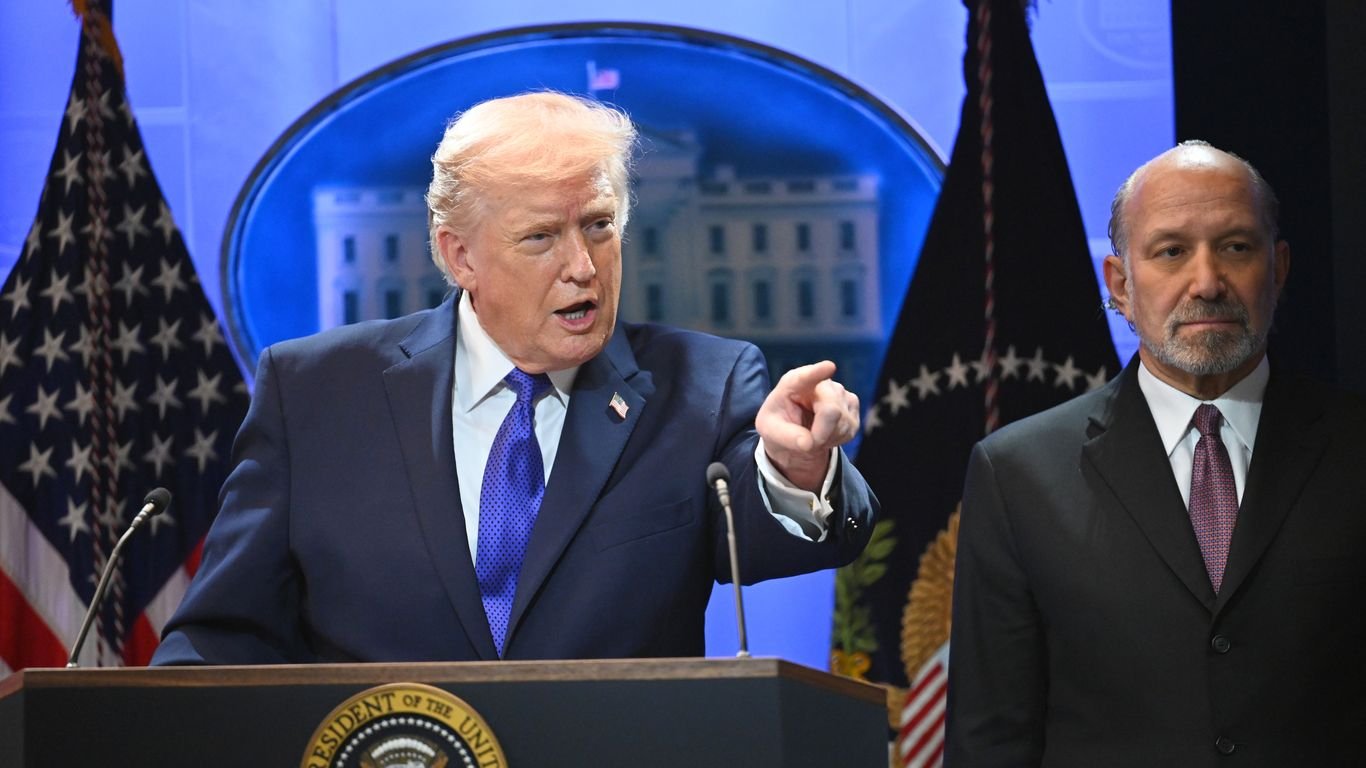
President Trump implemented sweeping 15% tariffs on all imported goods to the United States on February 21, 2026, marking a dramatic escalation in global trade policy. This decision comes just 24 hours after the Supreme Court unanimously rejected his administration's use of emergency powers to impose tariffs without congressional approval.
The new tariffs represent a significant increase from the current average U.S. tariff rate of 3.4% and cover all imports regardless of origin. According to U.S. Trade Representative data, this will impact approximately $3.4 trillion in annual imported goods. Technology products face disproportionate exposure, with semiconductors, consumer electronics, and networking equipment constituting nearly 28% of affected imports.
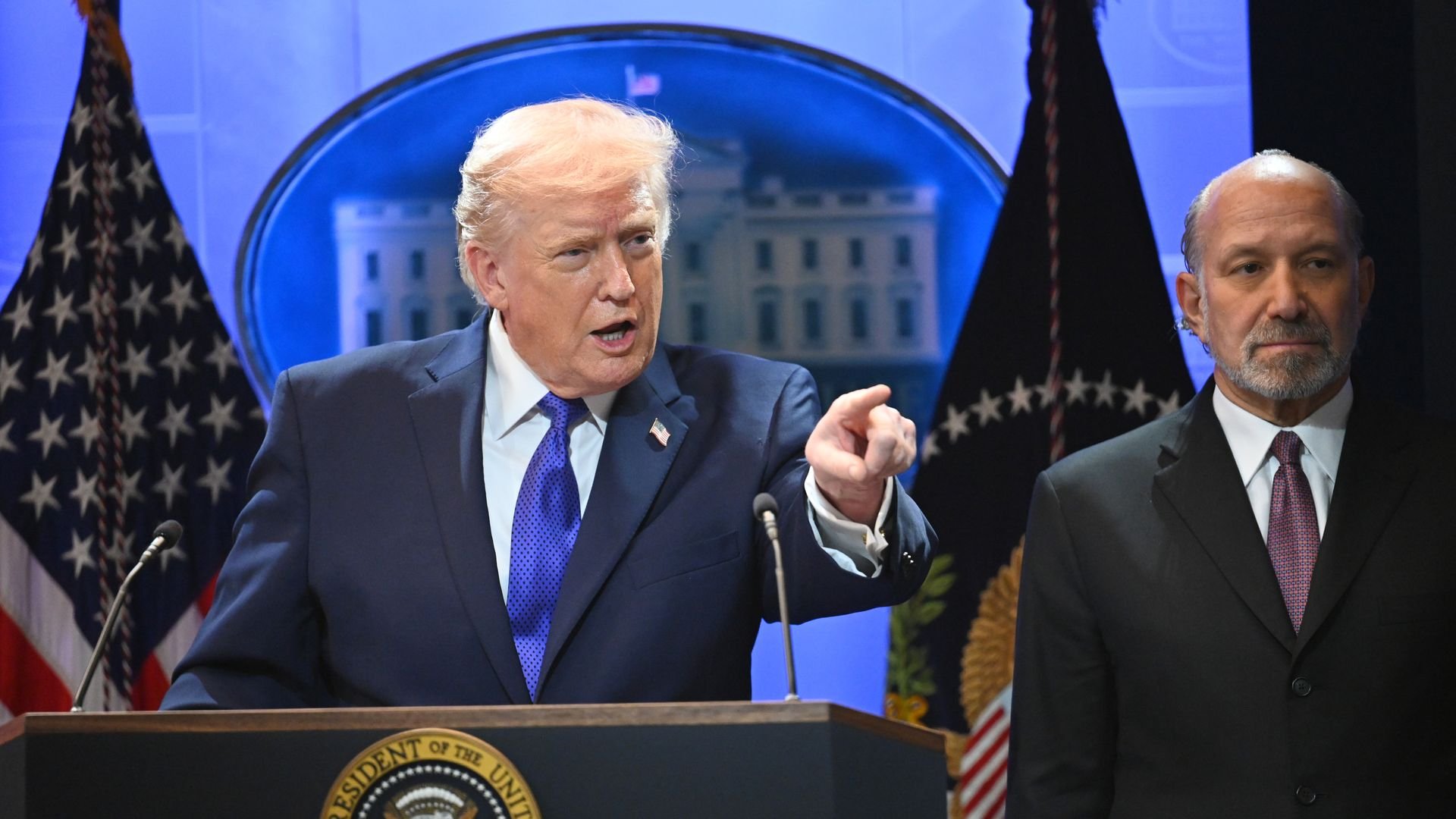
Market reaction was immediate and severe:
- Tech-heavy NASDAQ dropped 4.7% in morning trading
- Semiconductor stocks including NVIDIA (NVDA) and Intel (INTC) fell 6-8%
- Futures contracts for consumer electronics components surged 12-18%
Industry analysts project the tariffs will add $120-150 to average smartphone manufacturing costs and increase server production expenses by 15-20%. "This fundamentally reshapes global tech economics," said TechTrade Alliance director Lisa Chen. "Companies with complex supply chains like Apple and Dell face immediate margin compression, potentially accelerating the $220 billion manufacturing relocation trend from Asia to North America."
The tariff announcement follows Tuesday's Supreme Court rebuke of Trump's emergency powers claim. In a 9-0 decision, the Court ruled that Section 232 of the Trade Expansion Act doesn't authorize unilateral tariff imposition without demonstrating imminent national security threats. Legal experts note the new tariffs appear designed to bypass this ruling through conventional executive authority mechanisms.
Strategic implications for the tech sector include:
- Supply chain restructuring: 68% of hardware manufacturers surveyed by Gartner indicate expedited plans to shift production from China
- Consumer pricing: Projected 8-12% retail price increases for electronics by Q4 2026
- Innovation impact: Research firm IDC estimates R&D budgets could shrink by $15-20 billion industry-wide as companies absorb costs
- Alternative sourcing: Vietnam and Mexico poised to gain $47 billion in redirected tech manufacturing investments
Global trade partners have announced retaliatory measures, with the European Union preparing matching tariffs on U.S. technology exports and China accelerating domestic semiconductor subsidy programs. The World Trade Organization warned the tariffs violate most-favored-nation principles central to global trade agreements.
As the policy takes effect in 30 days, technology firms face critical decisions on pricing strategies, supply chain reconfiguration, and inventory management ahead of the crucial holiday sales season. The Semiconductor Industry Association has already announced plans to challenge the tariffs in federal court, setting the stage for prolonged legal battles alongside economic disruption.
Comments
Please log in or register to join the discussion