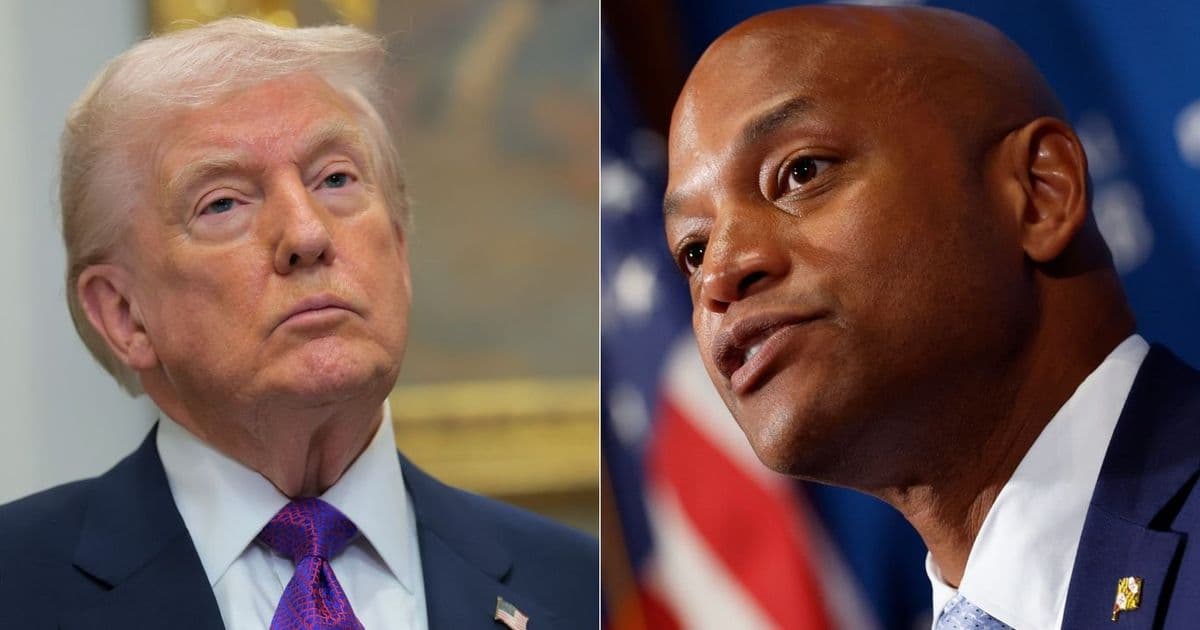
President Trump and Maryland Governor Wes Moore exchanged heated accusations over responsibility for a major sewage spill into the Potomac River, highlighting tensions between federal and state environmental oversight.
President Donald Trump and Maryland Governor Wes Moore engaged in a public dispute over the weekend regarding responsibility for a significant sewage spill into the Potomac River, with both leaders trading pointed accusations about environmental oversight failures.
The Incident
The sewage spill occurred when a major pumping station in Montgomery County, Maryland, experienced a catastrophic failure, releasing an estimated 2.5 million gallons of untreated wastewater into the Potomac River. The incident, which took place late Friday night, prompted immediate health warnings for residents along the river and led to temporary closures of recreational areas.
Local environmental officials reported that the spill was caused by a combination of equipment failure and power outages at the Potomac Water Resource Recovery Facility. The facility serves approximately 300,000 residents in the Washington, D.C. metropolitan area.
Political Finger-Pointing
President Trump took to social media Saturday morning, criticizing Maryland's environmental management and suggesting federal intervention might be necessary. "Maryland's infrastructure is failing under @GovernorMoore's watch. Another environmental disaster that could have been prevented. Federal oversight needed immediately!" the president posted on his Truth Social platform.
Governor Moore responded with equal force, directing blame toward federal funding cuts and delayed maintenance schedules. "While the President tweets from his golf course, Maryland families are dealing with the consequences of federal neglect. Our state has been asking for federal support for critical infrastructure upgrades for years," Moore stated during a press conference Saturday afternoon.
Environmental Impact
The spill has raised significant concerns among environmental groups and public health officials. The Potomac River provides drinking water to over 5 million people in the region, though officials maintain that water treatment facilities downstream have adequate safeguards in place.
"This is exactly the kind of preventable disaster that happens when infrastructure maintenance is deferred," said Sarah Chen, executive director of the Potomac Riverkeeper Network. "We're talking about raw sewage entering a major waterway that supports both human communities and critical ecosystems."
Water quality testing conducted by the Maryland Department of the Environment showed elevated levels of E. coli and other contaminants in the affected areas. The department has issued warnings advising against swimming, fishing, or consuming fish from the river until further notice.
Infrastructure Context
The incident highlights broader challenges facing aging water infrastructure across the United States. According to the American Society of Civil Engineers, the nation's water infrastructure received a grade of "C-" in their most recent infrastructure report card, with many systems dating back to the early 20th century.
Montgomery County officials revealed that the failed pumping station was originally constructed in 1972 and was scheduled for major upgrades in 2025. Budget constraints had delayed the project by several years.
"We've been operating with a patchwork of repairs and temporary solutions," said Montgomery County Executive Marc Elrich. "The system is simply beyond its intended lifespan, and we need substantial investment to bring it up to modern standards."
Federal-State Tensions
The sewage spill has become a flashpoint in ongoing debates about federal versus state responsibility for environmental infrastructure. The Environmental Protection Agency has historically provided significant funding for water infrastructure projects through various grant programs, but recent budget proposals have suggested substantial cuts to these initiatives.
Maryland's congressional delegation has already announced plans to seek emergency federal funding to address the immediate cleanup and to accelerate infrastructure improvements. However, the political dispute between the White House and the state's Democratic leadership may complicate these efforts.
Public Response
Local residents expressed frustration with both levels of government. "It feels like we're caught in the middle of a political game while our river gets polluted," said Alexandria resident Maria Rodriguez, whose family regularly uses the Potomac for recreation.
Environmental advocacy groups are calling for a comprehensive review of infrastructure maintenance protocols and funding mechanisms. "This isn't just about assigning blame," said Michael Thompson of the Chesapeake Bay Foundation. "It's about ensuring this doesn't happen again."
Next Steps
The Maryland Department of the Environment has launched a full investigation into the causes of the spill and potential violations of environmental regulations. The EPA has also announced it will conduct its own review of the incident.
Meanwhile, cleanup efforts are underway, with specialized teams working to contain and remove contaminated water from affected areas. The full environmental impact assessment is expected to take several weeks to complete.
The political fallout from the incident continues to unfold, with both Governor Moore and President Trump scheduled to address the issue in separate campaign events this week. The sewage spill has become a central talking point in discussions about environmental policy and infrastructure investment ahead of the 2026 midterm elections.
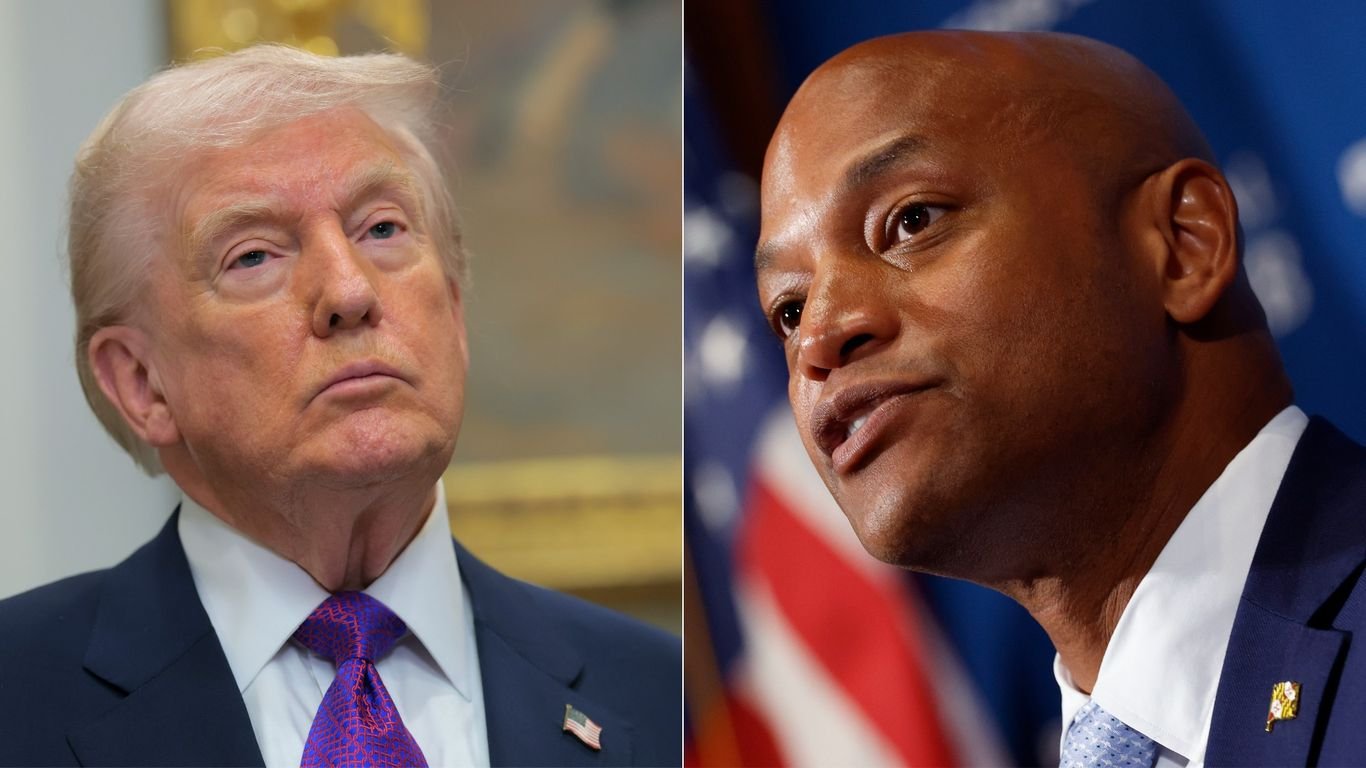
The Potomac River sewage spill serves as a stark reminder of the critical importance of infrastructure maintenance and the complex interplay between federal and state environmental responsibilities. As cleanup continues and investigations proceed, the incident is likely to remain a contentious political issue in the months ahead.
Comments
Please log in or register to join the discussion