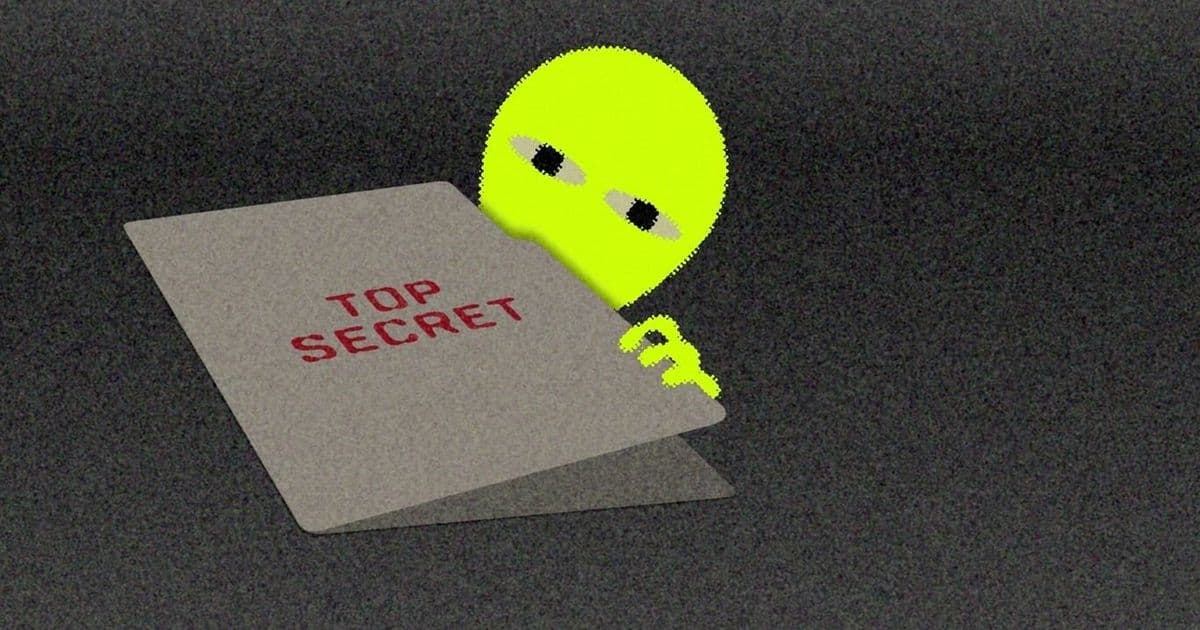
President Trump's recent decision to declassify government documents related to unidentified aerial phenomena has reignited America's fascination with conspiracy theories, revealing deep-seated cultural patterns that have shaped public trust in institutions for decades.
President Trump's recent decision to declassify government documents related to unidentified aerial phenomena has reignited America's fascination with conspiracy theories, revealing deep-seated cultural patterns that have shaped public trust in institutions for decades.
The Declassification Decision
The Trump administration's move to release previously classified files on UFOs and extraterrestrial encounters represents a significant shift in government transparency. While the documents don't contain smoking-gun evidence of alien life, they do reveal decades of military observations and investigations into unexplained aerial phenomena.
This declassification effort comes amid growing public pressure and a changing political landscape where conspiracy theories have moved from the fringes to mainstream discourse. The timing is particularly noteworthy given the current administration's approach to information control and public communication.
Why Americans Embrace Conspiracy Theories
Several factors contribute to the American public's willingness to embrace conspiracy theories:
Distrust in Institutions: Years of political scandals, corporate malfeasance, and institutional failures have eroded public trust in traditional sources of authority. When people feel betrayed by official narratives, they become more susceptible to alternative explanations.
Information Overload: The digital age has created an environment where anyone can publish information, regardless of its veracity. This democratization of information has made it increasingly difficult for people to distinguish between credible sources and misinformation.
Psychological Comfort: Conspiracy theories often provide simple explanations for complex problems. In an increasingly complicated world, these narratives can offer psychological comfort by making sense of seemingly random events.
Social Media Echo Chambers: Platforms like Facebook and Twitter have created environments where people are primarily exposed to information that confirms their existing beliefs, reinforcing conspiracy theories and making them more resistant to contradictory evidence.
The Cultural Impact
The fascination with extraterrestrial life and government cover-ups reflects deeper cultural anxieties about:
- Government transparency and accountability
- Technological advancement and its implications
- The unknown and humanity's place in the universe
- Power structures and who controls information
This cultural moment represents more than just curiosity about aliens; it's a manifestation of broader societal concerns about truth, authority, and the nature of reality in the digital age.
What This Means for the Future
The declassification of these documents and the public's reaction to them suggest several important trends:
Increased Demand for Transparency: The public's appetite for previously classified information indicates a growing expectation for government openness and accountability.
Evolving Media Literacy: As conspiracy theories become more prevalent, there's an increasing need for improved media literacy education to help people navigate complex information landscapes.
Political Weaponization: Conspiracy theories have become tools for political mobilization, with different factions using them to advance their agendas and undermine opponents.
The Business of Conspiracies
The conspiracy theory industry has become increasingly sophisticated and profitable. From podcasts and documentaries to books and conferences, there's a growing market for content that explores alternative narratives and unexplained phenomena.
This commercialization of conspiracy theories has created a feedback loop where financial incentives drive the production of more content, which in turn fuels public interest and belief in these narratives.
Looking Ahead
As the government continues to release classified information and the public remains fascinated by unexplained phenomena, we can expect this trend to continue evolving. The intersection of technology, politics, and public trust will likely shape how conspiracy theories develop and spread in the coming years.
The key question isn't whether Americans will continue to lean into conspiracies, but rather how society will adapt to a reality where alternative narratives compete with official accounts for public attention and belief.
The declassification of UFO documents represents more than just a curiosity about extraterrestrial life; it's a window into the American psyche and the complex relationship between citizens and their government in the information age.
Comments
Please log in or register to join the discussion