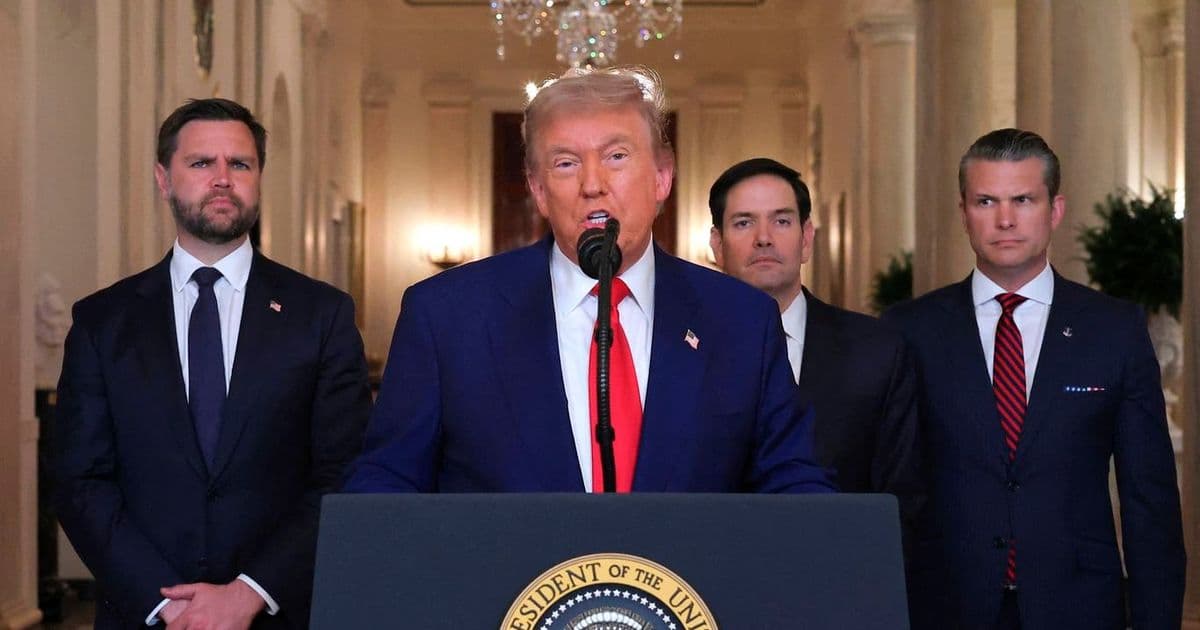
President Trump faces escalating choices in Iran policy, ranging from targeted strikes on nuclear facilities to potential regime change operations.
President Trump's Iran policy options have expanded dramatically in recent months, with administration officials privately discussing everything from limited military strikes to potential regime change operations, according to sources familiar with internal deliberations.
Escalating tensions and military planning
The Trump administration has moved from diplomatic pressure to active military planning regarding Iran's nuclear program and regional activities. Multiple sources indicate that Pentagon planners have been asked to prepare options at various escalation levels.
The "token" strike option
At the lower end of the spectrum, officials have discussed what some are calling "token" strikes - limited military actions designed to send a message without triggering full-scale war. These could include:
- Targeted strikes on specific Revolutionary Guard facilities
- Cyber operations against nuclear research centers
- Limited missile strikes on military installations
Nuclear enrichment facilities
A more aggressive option involves direct strikes on Iran's nuclear enrichment facilities, including:
- Natanz uranium enrichment plant
- Fordow facility buried deep underground
- Arak heavy water reactor
Such strikes would significantly set back Iran's nuclear program but carry substantial risks of regional escalation.
Regime change considerations
The most extreme option being discussed involves operations aimed at removing Supreme Leader Ayatollah Ali Khamenei from power. Sources indicate this would likely involve:
- Support for opposition groups within Iran
- Cyber and information operations
- Potential military actions targeting regime leadership
Regional implications
Any military action against Iran would have immediate consequences across the Middle East:
- Potential Iranian retaliation against U.S. bases in Iraq and Syria
- Hezbollah attacks on Israel
- Disruption of oil shipping through the Strait of Hormuz
- Increased risk of wider regional conflict
International response
European allies have expressed concern about military escalation, with France, Germany, and the UK urging continued diplomatic engagement. Russia and China would likely condemn any military action as a violation of international law.
Economic factors
Oil markets have already shown sensitivity to Iran tensions, with prices rising on speculation about potential conflict. A military strike could push oil prices significantly higher, impacting global markets.
Timeline considerations
Administration officials are reportedly weighing options ahead of the November election, with some viewing Iran policy as a potential campaign issue. However, military experts warn that hasty action could lead to unintended consequences.
Intelligence assessments
U.S. intelligence agencies have provided conflicting assessments about Iran's nuclear timeline and intentions. Some analysts believe Iran is still years away from weapons capability, while others warn of a more urgent timeline.
Military readiness
The U.S. has moved additional military assets to the region, including:
- Carrier strike groups to the Persian Gulf
- Additional bomber aircraft to Diego Garcia
- Patriot missile defense systems to allied nations
Diplomatic alternatives
Despite military planning, some administration officials continue to advocate for diplomatic solutions, including:
- Renewed negotiations on nuclear limitations
- Regional security agreements
- Economic incentives for behavioral changes
Historical context
Previous U.S. administrations have grappled with similar Iran policy decisions, with the 2003 Iraq invasion serving as a cautionary tale about the challenges of military intervention in the region.
Current status
As of now, no final decisions have been made, and administration officials maintain that all options remain on the table. The situation continues to evolve rapidly, with potential for either diplomatic breakthrough or military confrontation.
Expert analysis
Military strategists warn that any action against Iran would likely lead to protracted conflict, with Iran's regional proxies and asymmetric warfare capabilities posing significant challenges to U.S. forces.
The coming weeks will be critical in determining whether diplomatic efforts can avert military action or whether the administration will proceed with one of the escalating options under consideration.
Comments
Please log in or register to join the discussion