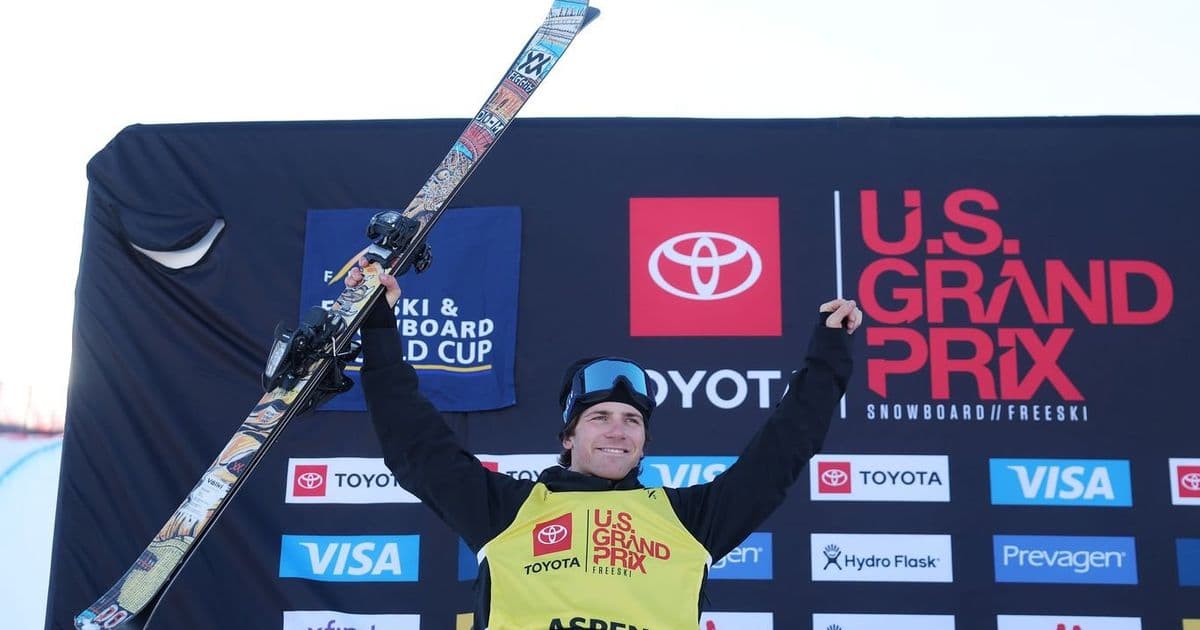
President Trump's public criticism of Team USA skier Hunter Hess has ignited debate about political involvement in sports and athlete morale.
President Donald Trump's recent comments about Olympic skier Hunter Hess have created a political firestorm, with the president calling the athlete "a real loser" during a rally in Ohio. The remarks came as Team USA prepared for the 2026 Winter Olympics in Milan-Cortina, raising questions about the impact of political rhetoric on athlete performance and national unity during international competitions.
Context of the Controversy
The comments targeted Hunter Hess, a freestyle skier who has represented Team USA in multiple international competitions. Hess, known for his halfpipe skiing, has been a consistent presence on the U.S. ski team for several years. The president's remarks appear to reference Hess's performance at recent competitions, though the specific context remains unclear.
Trump's criticism comes at a sensitive time for American athletes, who are already facing pressure to perform on the world stage. The 2026 Winter Olympics, scheduled for February 6-22 in Italy, represent a crucial opportunity for the United States to showcase its athletic talent and compete for medals across various winter sports disciplines.
Political Implications
The incident highlights the ongoing tension between sports and politics in America. While presidents have traditionally offered support and encouragement to Olympic athletes, Trump's approach represents a departure from this norm. The comments have drawn criticism from both sides of the political aisle, with many arguing that such public criticism could harm athlete morale and national unity.
Political analysts suggest that the remarks may be part of a broader strategy to appeal to Trump's base by positioning himself as someone who holds people accountable, even in traditionally non-political arenas like sports. However, critics argue that this approach undermines the spirit of international competition and could damage America's reputation abroad.
Impact on Team USA
Sports psychologists and Olympic coaches have expressed concern about the potential impact of such comments on Team USA's performance. Research has shown that public criticism from high-profile figures can affect athletes' mental preparation and confidence levels, particularly in high-pressure situations like the Olympics.
The U.S. Olympic and Paralympic Committee has not yet issued an official response to the president's comments. However, sources within the organization suggest that they are monitoring the situation closely and may need to implement additional support measures for athletes who feel affected by the political rhetoric.
Historical Context
This is not the first time that Trump has made controversial comments about athletes and sports. During his presidency, he has frequently criticized professional athletes who engage in political protests, particularly those related to racial justice issues. His approach to sports has often been characterized by a willingness to mix athletic competition with political messaging.
The incident with Hess follows a pattern of Trump using sports as a platform for political statements, though targeting an Olympic athlete represents a new dimension to this approach. Olympic athletes traditionally receive bipartisan support from American political leaders, making Trump's criticism particularly notable.
Public Reaction
Social media has been divided in response to the comments, with Trump supporters defending the president's right to express his opinions about athletic performance, while critics argue that such remarks are inappropriate and potentially harmful. The controversy has sparked discussions about the role of political leaders in supporting national teams during international competitions.
Many Olympic fans and sports commentators have expressed disappointment that political divisions are extending into the realm of international athletic competition. The Olympics have historically served as a unifying event where political differences are set aside in favor of national pride and athletic achievement.
Looking Ahead
As the 2026 Winter Olympics approach, the incident raises questions about how political rhetoric might affect Team USA's preparation and performance. Olympic athletes already face immense pressure to succeed, and additional political scrutiny could compound these challenges.
The controversy also highlights the broader question of how political leaders should engage with sports and athletes. While constructive criticism and support are generally welcomed, personal attacks and negative rhetoric may have unintended consequences for both individual athletes and national teams.
Conclusion
President Trump's comments about Hunter Hess represent a significant departure from traditional presidential support for Olympic athletes. As Team USA prepares for the 2026 Winter Olympics, the incident serves as a reminder of the complex relationship between sports, politics, and national identity in contemporary America. The long-term impact of such rhetoric on athlete performance and national unity remains to be seen, but the controversy has already sparked important discussions about the appropriate role of political leaders in supporting national athletic teams.
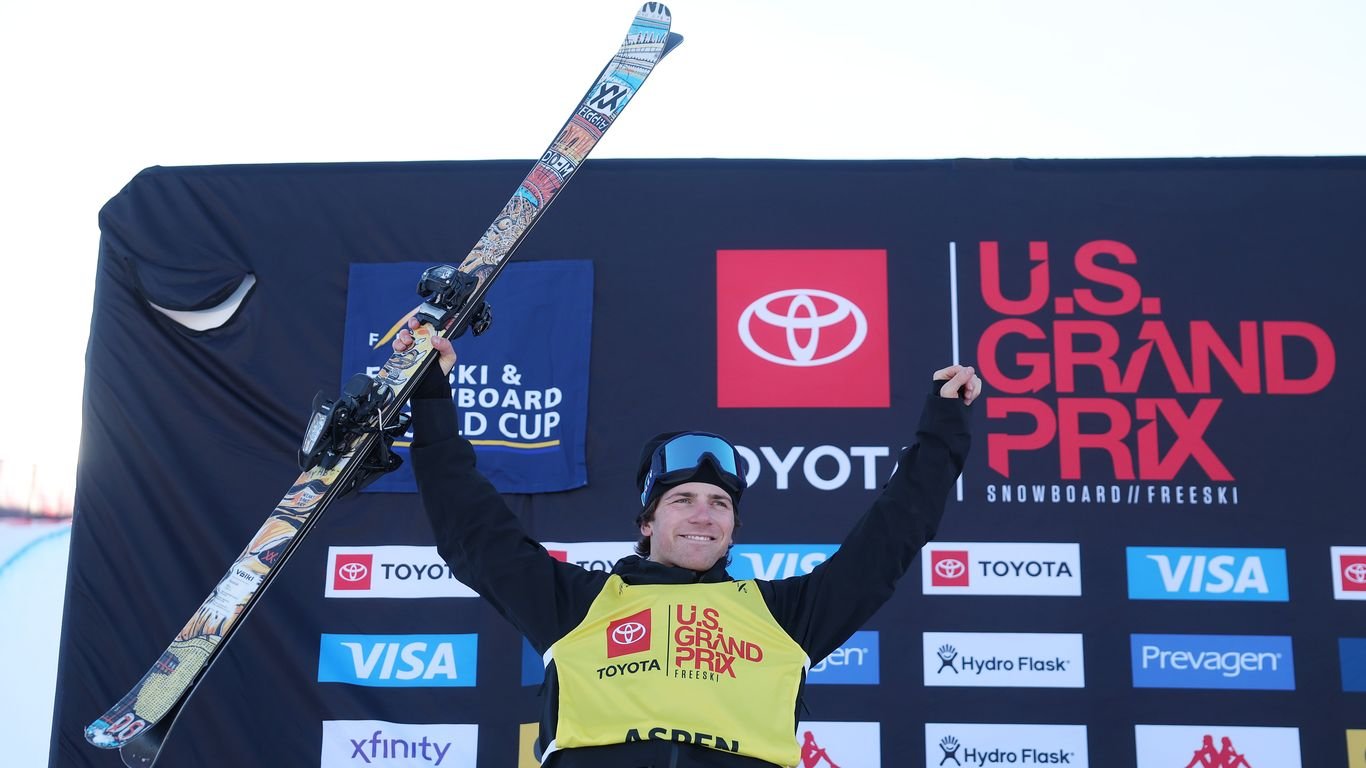
The incident continues to generate debate about the intersection of politics and sports, with many hoping that the focus can return to athletic achievement and international cooperation as the Olympics approach. Whether Trump's comments will have any lasting impact on Team USA's performance or the broader Olympic movement remains an open question that will likely be answered in the coming months.
Comments
Please log in or register to join the discussion