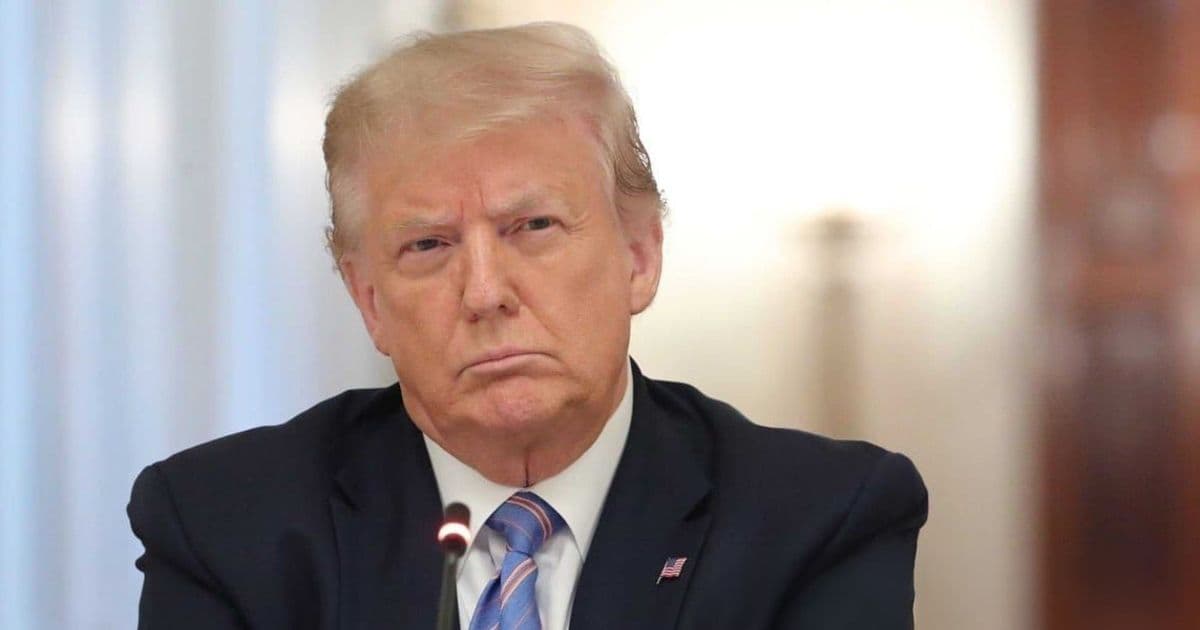
President Trump has appointed a science and technology advisory panel heavily weighted toward tech industry executives and allies, raising concerns about the politicization of scientific advice.
Donald Trump has named the first members of his President's Council of Advisors on Science and Technology (PCAST), a panel that appears to prioritize industry connections over academic expertise in its current composition.
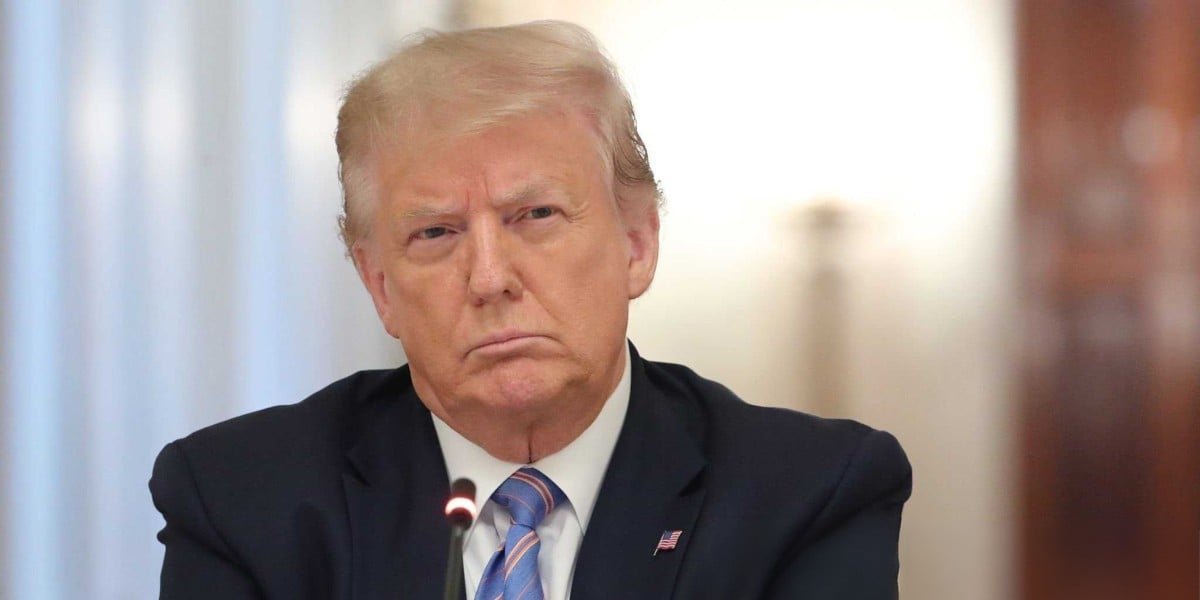
The 13-member panel announced this week includes prominent tech executives who have demonstrated loyalty to the Trump administration, marking a significant departure from previous councils that typically featured academic experts across various scientific disciplines.
Industry Heavyweights Dominate the Roster
The council features several high-profile tech leaders including Meta CEO Mark Zuckerberg, Oracle co-founder Larry Ellison, Nvidia CEO Jensen Huang, Google co-founder Sergey Brin, and venture capitalist Marc Andreessen. Michael Dell, Safra Catz (Oracle's executive vice chair), and AMD CEO Lisa Su round out the corporate representation.
Two members come from emerging technology sectors: Fred Ehrsam, co-founder of cryptocurrency exchange Coinbase, and David Friedberg, a tech investor and co-host of the popular podcast "All In" alongside Trump advisor David Sacks.
The panel also includes executives from nuclear energy startups - Bob Mumgaard of Commonwealth Fusion Systems and Jacob DeWitte of Oklo - suggesting a focus on advanced energy technologies.
Limited Academic Representation
Only one member, John Martinis, a physics professor at UC Santa Barbara who previously led Google's quantum computing efforts, represents traditional academic science. This stands in stark contrast to previous PCAST iterations, which typically included diverse experts from universities and research institutions across multiple scientific fields.
Political Context and Timeline
The council was established through an executive order in January 2025, with co-chairs Michael Kratsios (Assistant to the President for Science and Technology) and David Sacks (Special Advisor for AI and Crypto). Trump's order specifies the council will terminate two years from the order date, leaving it with just ten months unless extended.
Concerns About Scientific Independence
Perhaps most notably, Trump's executive order frames the council's mission within a narrative of defending science against "ideological dogmas" and "political" influences. The order states that "the pursuit of truth in science is increasingly under threat" from forces that "elevate group identity above individual achievement" and "enforce conformity at the expense of innovative ideas."
This framing has raised eyebrows among science policy experts, who note the irony of a politically-appointed council claiming to protect science from political influence. Critics suggest this rhetoric may be used to dismiss legitimate scientific consensus on issues like climate change or public health measures that conflict with administration priorities.
The composition and stated mission of this PCAST panel reflect broader tensions between industry interests, political loyalty, and scientific independence in the current administration's approach to technology and research policy.
Comments
Please log in or register to join the discussion