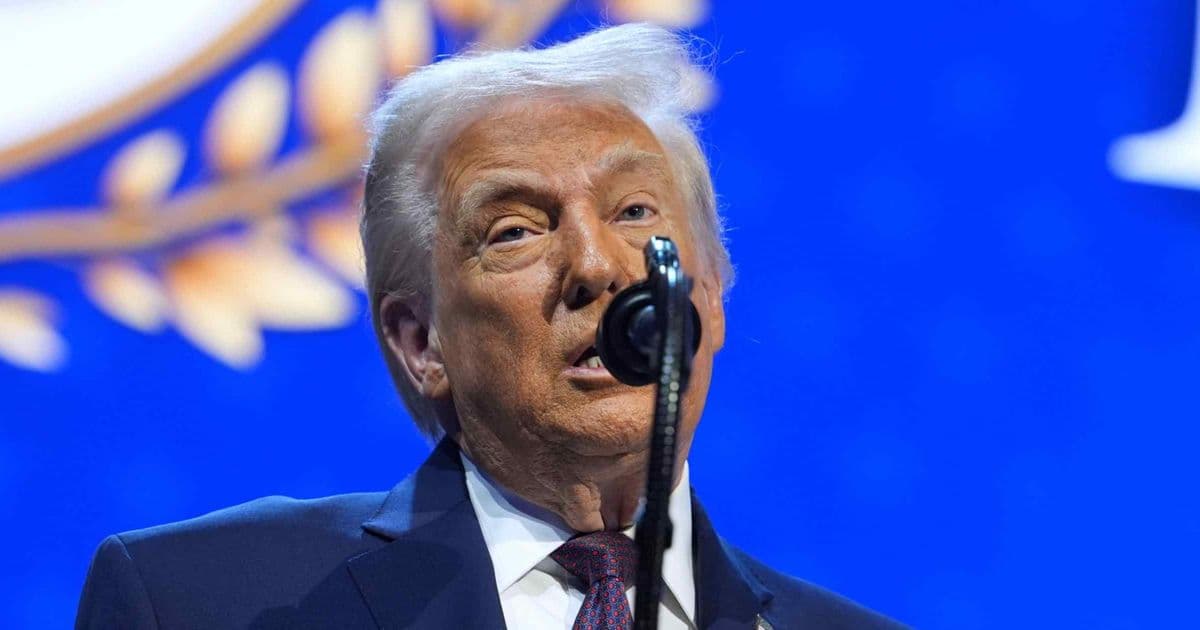
Trump's unilateral approach to international diplomacy through the Board of Peace risks destabilizing the global order, creating a power vacuum that China could exploit.
The Board of Peace, launched by U.S. President Donald Trump during the World Economic Forum in Davos, Switzerland, on January 22, 2025, represents a significant shift in international diplomacy. This new international entity, billed as a forum for resolving global conflicts, has raised concerns about the future of the global order and the role of the United States in shaping it.
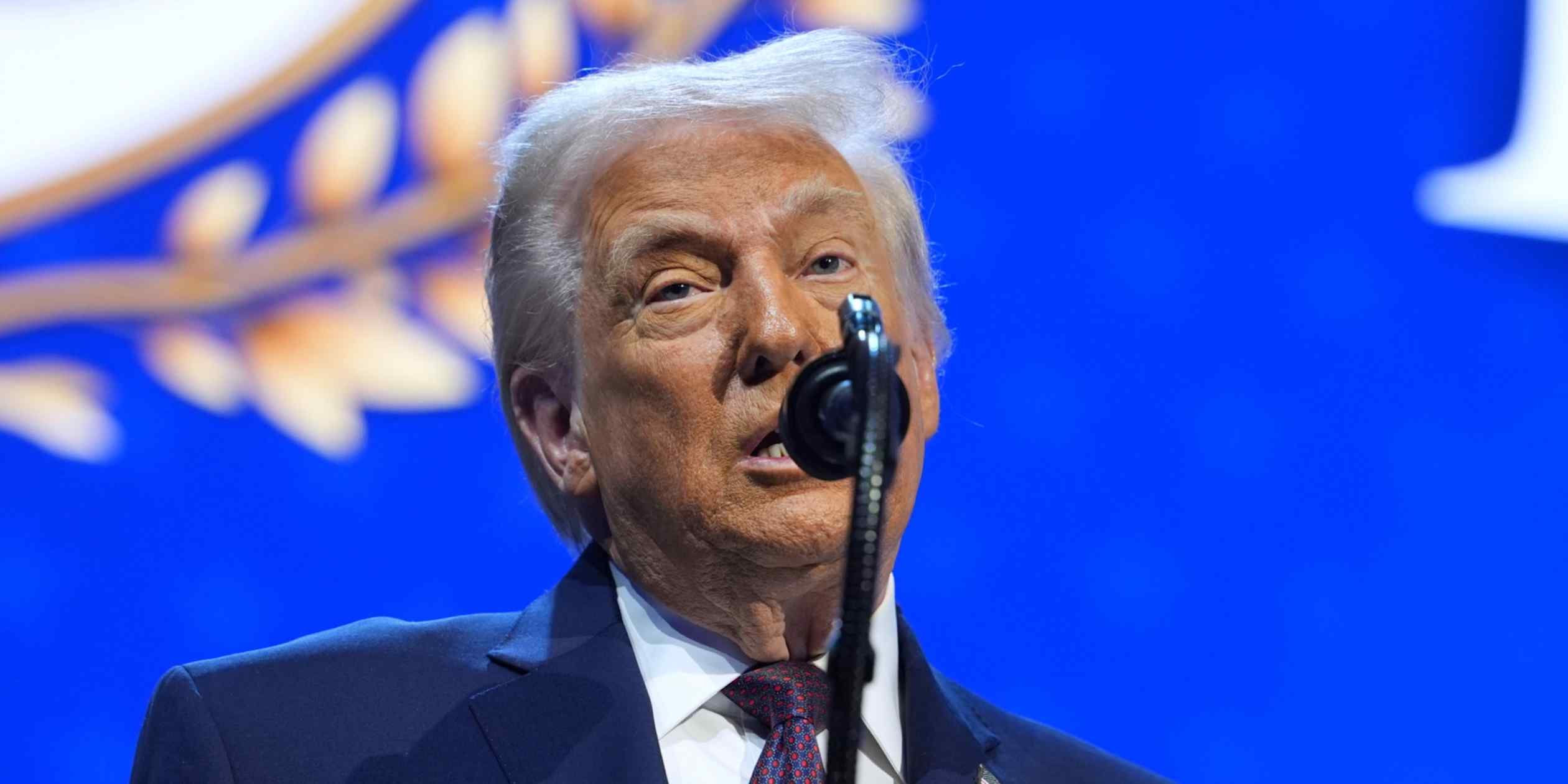
Trump's push to cast the Board of Peace as a United Nations alternative is no laughing matter. The initiative, which has attracted about 20 countries to its launch and potentially 40 more signaling an intention to join, is a clear attempt to create an institution that could rival or even supplant the United Nations Security Council.
According to the charter, Trump, as inaugural chairman, is granted sweeping prerogatives that would be unheard of in any credible multilateral institution. He effectively holds veto power over resolutions and acts as gatekeeper, determining which countries can join, and on what terms. The structure looks less like a rules-based international institution than an exclusive country club in which Trump holds ownership for life.
This approach to international diplomacy is a departure from the traditional multilateral approach that has characterized U.S. foreign policy since World War II. Trump's focus on unilateral action and his desire to be the sole protagonist shaping international politics have raised concerns about the future of the global order and the role of the United States in it.
Trump's diagnosis of today's world is not entirely off: From Ukraine to the Middle East, to parts of Africa and Asia, the world is engulfed in conflict. The Security Council is not merely paralyzed, it is structurally compromised by the fact that Russia, a permanent member with veto power, is also an aggressor. If the Board of Peace could genuinely supplement a deadlocked U.N., it would be a welcome development.
However, the initiative bears close watching, not least because it distills Trump's diplomatic instincts in their purest form. The unpredictability of his foreign policy risks exacerbating global tensions. For all its flaws, the Board of Peace has some redeeming features, however, as it could complicate Chinese President Xi Jinping's efforts to establish a China-led order.
Beijing aims to exploit gaps left by Washington's withdrawal from U.N. bodies and court the Global South to expand its global influence. Viewed in this light, China has little incentive to participate in Trump's new project. Yet early members of the board include pro-China Pakistan, as well as Mongolia and former Soviet republics Kazakhstan and Uzbekistan, all Global South countries located near China.
Even Russia, China's principal partner against the West, is said to be weighing participation. Whether by design or not, the involvement of Russia would add complexity to China's geopolitical calculations. While true comedies typically promise a cathartic ending, the Trump theater appears to have no script at all, only improvisation.
Audiences must remain alert, for the finale could be less farce than fiasco, and plan accordingly. The Board of Peace is an attempt by the United States to lead the creation of a new global decision-making body. If it operates without coordination with the G7, the G20 or the U.N. Security Council, and remains detached from the existing international system, it risks becoming a mechanism in which great powers decide the fate of the world behind closed doors.
The new entity is unlikely to evolve into a sizable organization that could rival the 190-member U.N. Still, the initiative bears close watching, not least because it distills Trump's diplomatic instincts in their purest form. The unpredictability of his foreign policy risks exacerbating global tensions.
For all its flaws, the Board of Peace has some redeeming features, however, as it could complicate Chinese President Xi Jinping's efforts to establish a China-led order. Beijing aims to exploit gaps left by Washington's withdrawal from U.N. bodies and court the Global South to expand its global influence.
Viewed in this light, China has little incentive to participate in Trump's new project. Yet early members of the board include pro-China Pakistan, as well as Mongolia and former Soviet republics Kazakhstan and Uzbekistan, all Global South countries located near China.
Even Russia, China's principal partner against the West, is said to be weighing participation. Whether by design or not, the involvement of Russia would add complexity to China's geopolitical calculations.
While true comedies typically promise a cathartic ending, the Trump theater appears to have no script at all, only improvisation. Audiences must remain alert, for the finale could be less farce than fiasco, and plan accordingly.
Comments
Please log in or register to join the discussion