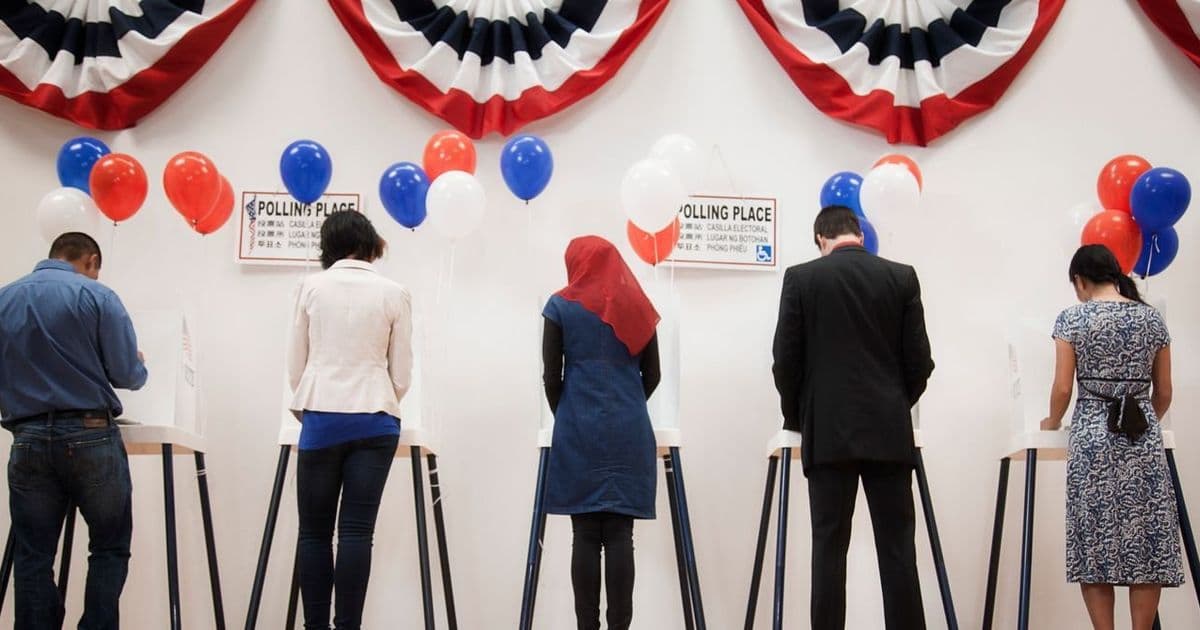
President Trump is escalating efforts to centralize US election administration, contradicting constitutional principles and undermining years of bipartisan progress in securing voting infrastructure. Experts warn this federal overreach could dismantle robust systems built for transparency and cybersecurity, risking the integrity of future elections.
For nearly a decade, the US has invested heavily in fortifying its election infrastructure against threats, from cybersecurity enhancements to paper ballot backups, creating one of the most resilient voting systems in history. Yet, amid broader constitutional challenges, President Trump is aggressively pushing to federalize election control—a move experts decry as not only unconstitutional but a direct assault on these hard-won security achievements.
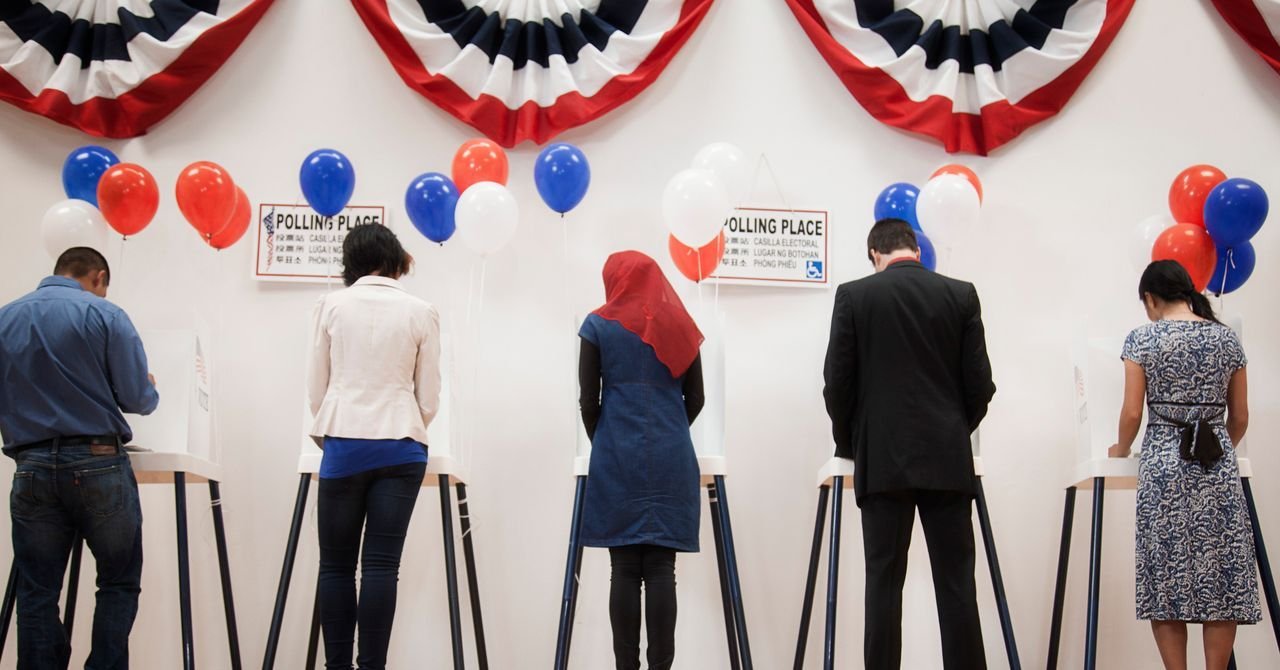
The Backstory of Election Security Resilience Following Russian interference in the 2016 election, federal and state initiatives poured hundreds of millions of dollars into modernizing voting technology. Today, 98-99% of US votes are cast on or backed by paper records, enabling verifiable audits and reducing vulnerabilities. As Lawrence Norden, vice president of the Brennan Center's elections program, emphasizes: "There was a huge investment in election security over the last decade... At this point, 98 percent or 99 percent of votes in the US are cast on paper, or there’s a paper record of each vote, which gives us the ability to ensure that the results are accurate." This decentralized, state-led model—enshrined in Article One of the Constitution—has been pivotal, allowing localized defenses against threats while maintaining transparency.
Trump's Controversial Moves and Technical Missteps In March, Trump issued an executive order demanding federal oversight of election processes, including rapid voting machine replacements and proof-of-citizenship requirements. He amplified this on social media, falsely claiming states are "merely an 'agent' for the Federal Government" in vote counting. This rhetoric ignores constitutional law, as Norden clarifies: "It’s right there in the Constitution... the states set the time, place, and manner of elections. The president has no role." Worse, Trump's administration has curtailed key security programs and appointed figures like Heather Honey—a known election conspiracy theorist—to a Department of Homeland Security role overseeing election integrity. Ben Adida of VotingWorks notes that while updating aging machines is positive, Trump's timeline is "much too tight to be realistic," risking rushed, insecure implementations.
Why Decentralization Is a Security Feature, Not a Bug The push for federalization isn't just unconstitutional; it threatens the very safeguards that protect elections. Pamela Smith, president of Verified Voting, argues that local control is essential: "Elections offices serve their voters locally... There are different rules, different systems, different counties—and that's actually an essential safeguard." Centralizing authority could create single points of failure, making systems more susceptible to manipulation or cyberattacks. This is especially alarming given the 2017 designation of elections as "critical infrastructure," which initially sparked bipartisan concern over federal overreach but later fostered valuable collaborations like threat intelligence sharing with DHS's Cybersecurity and Infrastructure Security Agency. Trump's actions, however, risk politicizing these efforts, undermining trust without addressing real vulnerabilities.
As the November election approaches, the stakes for tech professionals are clear: politicized interference could roll back years of progress in securing the software, hardware, and processes that underpin democracy. The resilience of US elections depends not on top-down control, but on empowering local experts to innovate and defend their systems—a principle worth preserving against all threats.
Source: WIRED
Comments
Please log in or register to join the discussion