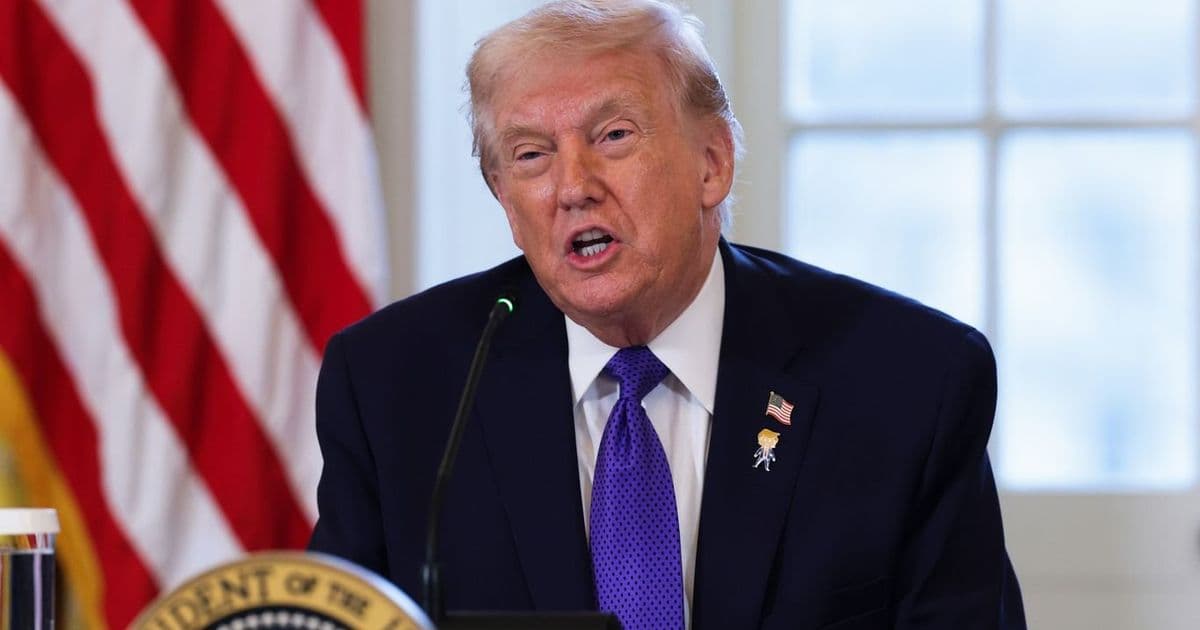
President Trump declared he's 'inclined to keep Exxon out' of Venezuela following Exxon CEO Darren Woods' characterization of the country as 'uninvestable,' signaling continued U.S. pressure on Maduro's regime amid Venezuela's collapsing oil industry.
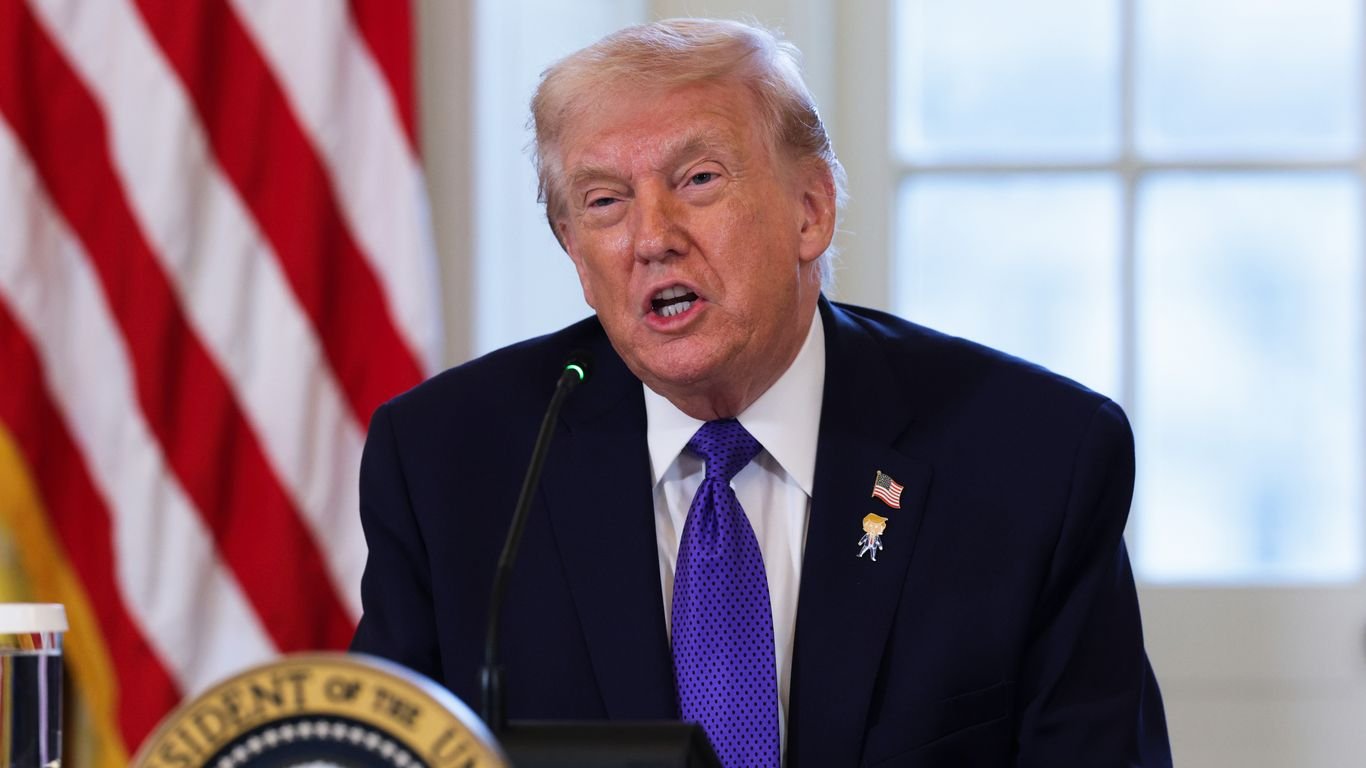
President Trump stated he is "inclined to keep Exxon out" of Venezuela during a White House meeting with oil executives last week, directly responding to ExxonMobil CEO Darren Woods' recent assessment that the crisis-stricken nation remains "uninvestable." The remarks signal continued U.S. economic pressure on Nicolas Maduro's regime despite Venezuela sitting atop the world's largest proven oil reserves.
Venezuela's oil production has collapsed from 3.5 million barrels per day in the 1990s to just 400,000 barrels daily in 2024, according to OPEC data. This 89% decline accelerated after U.S. sanctions intensified in 2019, cutting off Venezuela from global financial markets and technology partners. ExxonMobil exited Venezuela in 2007 following the nationalization of its $750 million Cerro Negro project and has since pursued $16.6 billion in compensation through World Bank arbitration.
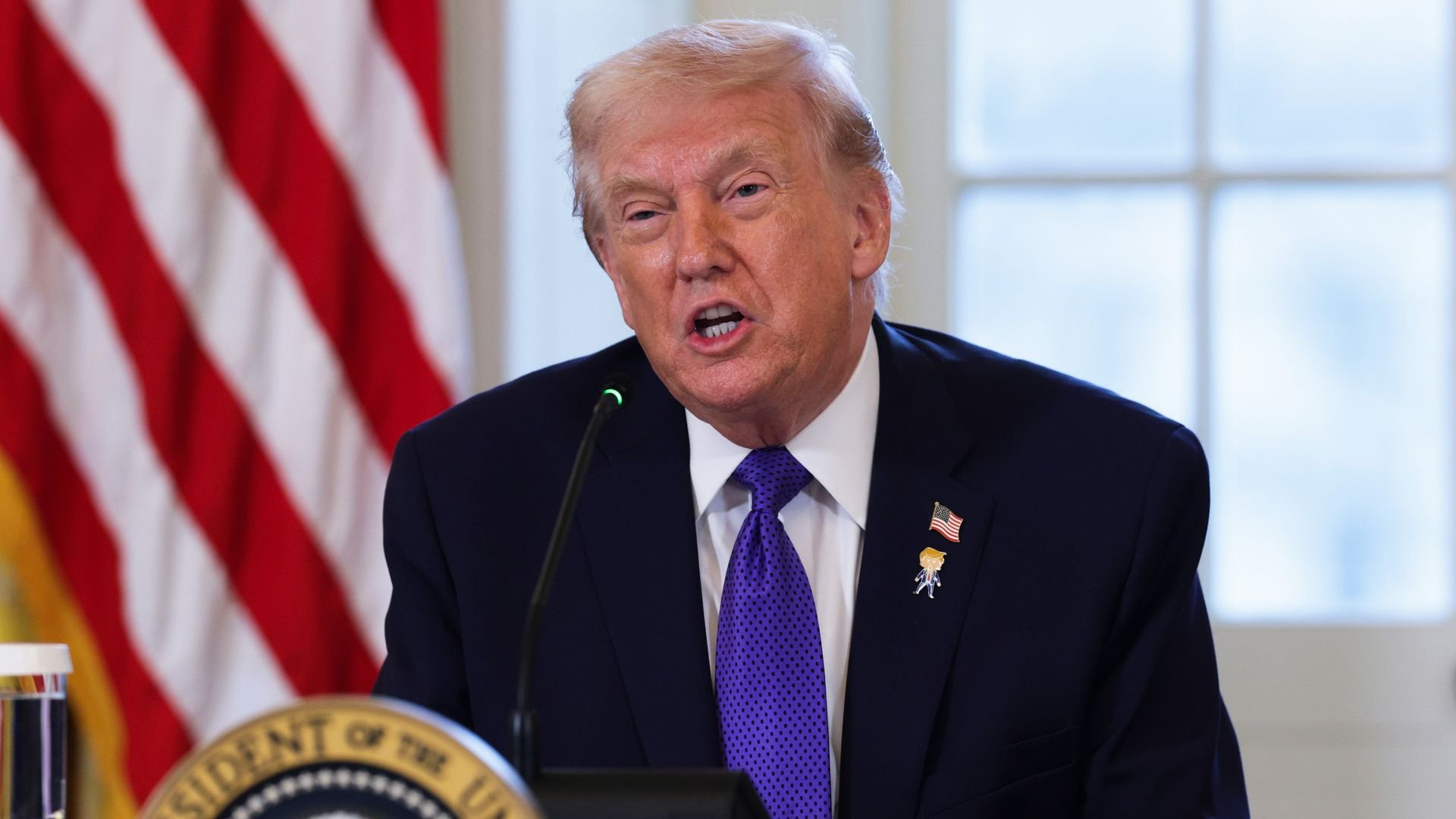
During the East Room meeting attended by executives from Chevron, Occidental Petroleum and Continental Resources, Trump framed Exxon's exclusion as leverage against Maduro's socialist government. "We have the cards," Trump stated, emphasizing U.S. control over Venezuela's oil revenue streams through sanctions enforcement. The position maintains continuity with Trump's 2019 executive order freezing all Venezuelan state assets in U.S. jurisdiction.
Market analysts note Exxon's renewed interest stems from Venezuela's 304 billion barrels of reserves—20% of global totals—but Woods' "uninvestable" verdict reflects operational realities: chronic underinvestment has left 70% of Venezuela's drilling rigs idle, while pipeline theft and refining failures caused a 340,000 bpd drop in output since 2022. Any Exxon return would require billions in infrastructure rebuilding and legal resolution of Venezuela's $150 billion in outstanding debt.
The administration's stance creates immediate complications for Chevron, which received U.S. Treasury approval in 2022 to resume limited operations in Venezuela. Chevron's production share agreements currently generate approximately 135,000 bpd, but Trump's renewed sanctions threat places these operations in jeopardy. Energy consultancy Rapidan Group estimates a full U.S. pullout could remove 500,000 bpd from global markets by Q4 2024, potentially lifting Brent crude prices by $8-$12 per barrel.
Geopolitically, the Exxon blockade reinforces U.S. rejection of Venezuela's proposed July 28 elections, which the State Department calls "deeply flawed." It also counters recent efforts by European and Latin American allies to broker sanctions relief in exchange for democratic concessions. With Venezuela's oil revenues declining 62% since 2014 to just $6.3 billion annually, Trump's position effectively denies the regime capital needed to stabilize its economy absent political capitulation.
Comments
Please log in or register to join the discussion