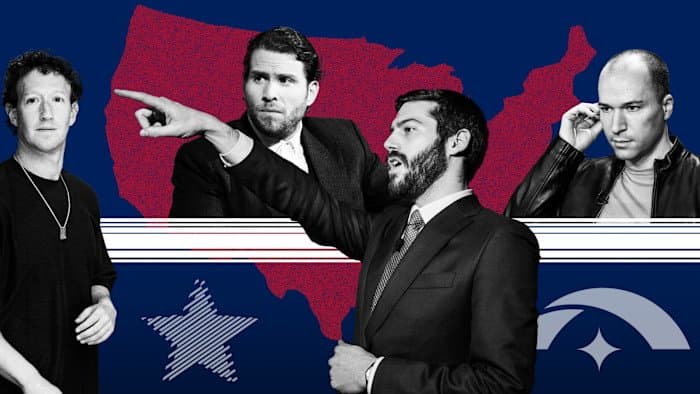
Analysis reveals pro-AI groups outspending regulation advocates 2:1 in unprecedented lobbying battle over AI's future
Silicon Valley's biggest players are pouring unprecedented resources into a political battle over AI regulation, with super PACs backing both sides raising a combined $265 million ahead of the 2026 midterms, according to a Financial Times analysis.
The spending reveals a stark imbalance: pro-AI groups have raised significantly more than their regulation-focused counterparts, suggesting the tech industry is betting heavily on maintaining a light-touch approach to AI governance.
The Money Race
Financial records show the pro-AI super PACs have outraised pro-regulation groups by a substantial margin, though exact figures weren't disclosed in the analysis. This spending blitz targets congressional races and state-level elections where AI policy could be shaped.
Industry sources indicate the disparity reflects tech companies' determination to avoid restrictive regulations that could slow AI development. Major players like OpenAI, Google, and Meta have reportedly directed millions through affiliated political organizations.
What's at Stake
The battle centers on fundamental questions about AI's future: Should development proceed with minimal oversight, or should strict guardrails be implemented to address safety, privacy, and labor market concerns?
Pro-regulation advocates argue AI poses existential risks requiring immediate legislative action. They're pushing for transparency requirements, safety testing mandates, and restrictions on certain AI applications.
Meanwhile, industry-backed groups frame regulation as a threat to American competitiveness, warning that overregulation could cede AI leadership to China.
The Political Landscape
This lobbying surge comes as Congress debates several AI-related bills, including proposals for national AI safety standards and requirements for companies to disclose training data sources.
State legislatures are also battlegrounds, with California and New York considering AI-specific regulations that could set national precedents.
Industry Reactions
Tech executives have largely remained silent on the super PAC spending, though industry analysts note the scale suggests coordinated effort rather than organic political support.
"This level of spending indicates the tech industry sees AI regulation as existential to their business models," said one policy expert who requested anonymity. "They're not leaving anything to chance."
Counter-Arguments
Critics argue the spending imbalance undermines democratic debate on AI's societal impacts. "When one side can outspend the other 2:1, it's not really a fair fight," said a spokesperson for a pro-regulation advocacy group.
However, pro-industry voices counter that their spending simply reflects broader public support for innovation-friendly policies. They point to polling showing most Americans favor AI development over restrictive regulation.
The Financial Times analysis suggests this political spending battle will intensify as the midterms approach, with both sides recognizing that control of Congress could determine AI's regulatory future for years to come.
Broader Implications
Beyond immediate policy outcomes, this spending war signals how tech companies view political influence as essential to their strategic planning. The scale—$265 million combined—exceeds previous tech lobbying efforts on issues like net neutrality or data privacy.
As AI capabilities advance, the political battle over its governance appears set to become one of the defining tech policy fights of the decade, with billions in potential profits hanging on regulatory outcomes.
The question remains whether this financial arms race will produce balanced policy or simply reflect which side can deploy more resources in the political arena.
Comments
Please log in or register to join the discussion