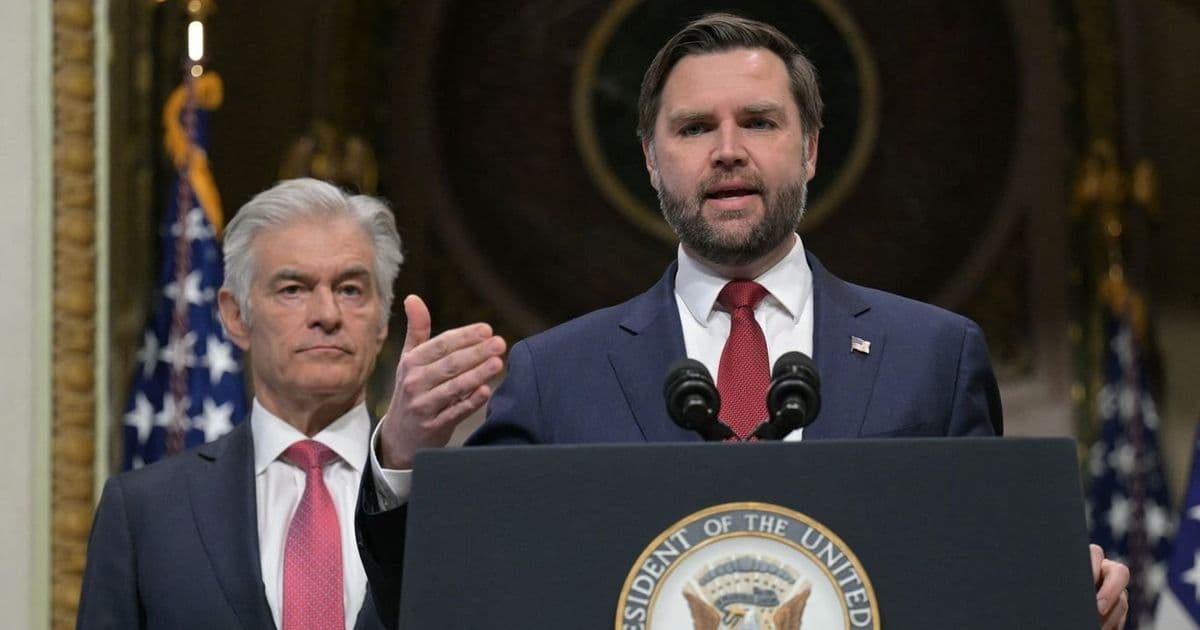
Vice President JD Vance announced the Trump administration's decision to halt federal Medicaid funding to Minnesota, citing widespread fraud concerns and demanding state-level reforms to prevent misuse of healthcare funds.
The Trump administration has frozen federal Medicaid funding to Minnesota, Vice President JD Vance announced today, citing "widespread fraud" in the state's healthcare system. The move represents a significant escalation in federal oversight of state Medicaid programs and could have major implications for healthcare access in Minnesota.
Federal Intervention in State Healthcare
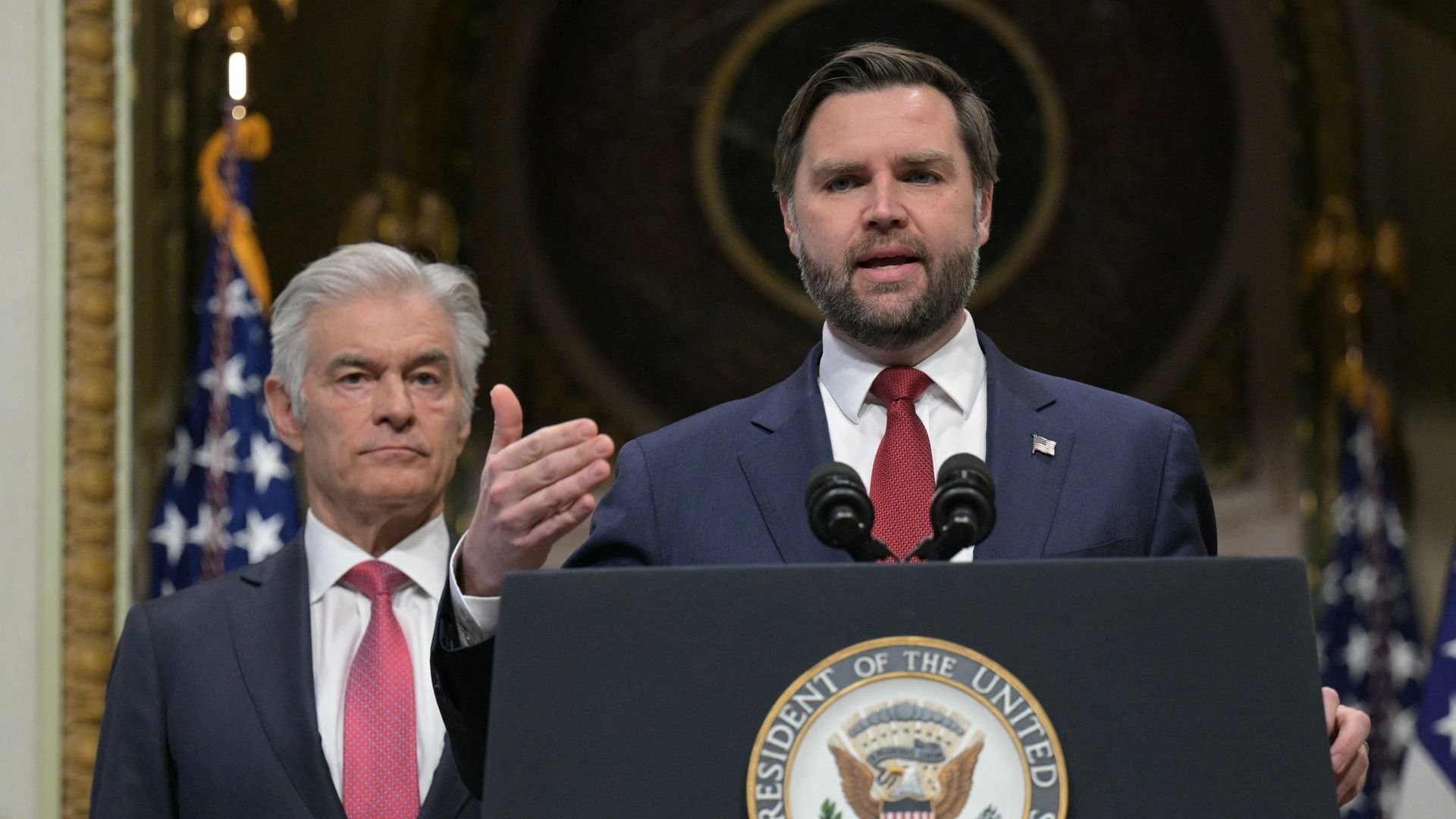
The funding freeze affects approximately $2.3 billion in annual Medicaid payments to Minnesota, according to administration officials. Vance, speaking alongside Health and Human Services Secretary Mehmet Oz, stated that the administration had uncovered "systematic abuse" of Medicaid funds through improper billing practices and enrollment of ineligible recipients.
"Minnesota has failed to maintain proper oversight of its Medicaid program," Vance said. "We cannot continue to send federal taxpayer dollars to a state that allows this level of fraud to persist."
Scale of Alleged Fraud
While specific details remain limited, administration sources indicate the alleged fraud involves multiple healthcare providers submitting duplicate claims, billing for services not rendered, and enrolling individuals who do not meet Medicaid eligibility requirements. The Department of Health and Human Services claims to have identified over $400 million in potentially fraudulent claims over the past 18 months.
Minnesota state officials have pushed back against the allegations. Governor Tim Walz called the funding freeze "politically motivated" and warned it could disrupt healthcare services for over 1.2 million Minnesotans who rely on Medicaid coverage.
"This is an unprecedented federal overreach that puts vulnerable Minnesotans at risk," Walz said in a statement. "We have robust fraud prevention measures in place and will vigorously defend our program."
Historical Context
Federal Medicaid funding represents the largest source of federal aid to states, accounting for roughly 60% of total Medicaid expenditures nationwide. States administer their own Medicaid programs within federal guidelines, but this marks one of the most aggressive federal interventions in state Medicaid administration in recent history.
Similar actions have been threatened but rarely implemented. In 2017, the Obama administration considered withholding funds from several states over enrollment practices, but ultimately reached negotiated settlements instead.
Implications for Healthcare Access
The immediate impact of the funding freeze could be severe. Minnesota's Medicaid program, known as Medical Assistance, covers low-income individuals, pregnant women, children, and people with disabilities. Healthcare providers who rely on Medicaid reimbursements may face cash flow problems within weeks.
Community health centers, which serve many low-income patients, have expressed particular concern. "If these funds don't flow, we'll have to make impossible choices about who gets care," said Dr. Sarah Chen, director of a Minneapolis-based clinic network.
Political Dimensions
The timing and targeting of the freeze have raised questions about political motivations. Minnesota, a Democratic-leaning state, has been at odds with the Trump administration on various policy issues, including environmental regulations and immigration enforcement.
Republican lawmakers have largely supported the administration's action. "States need to be held accountable for how they manage federal healthcare dollars," said Senator Chuck Grassley of Iowa.
Next Steps
The administration has given Minnesota 30 days to implement additional fraud prevention measures before considering whether to restore funding. These measures include enhanced eligibility verification, real-time claims monitoring, and increased penalties for fraudulent billing.
Minnesota has filed a lawsuit challenging the funding freeze, arguing that the administration lacks legal authority to unilaterally halt Medicaid payments. The case is expected to be heard in federal court within the next two months.
Broader Healthcare Policy Implications
This action could signal a shift toward more aggressive federal oversight of state Medicaid programs nationwide. Healthcare policy experts suggest other states with large Medicaid populations may face similar scrutiny.
"This sets a concerning precedent," said health policy analyst Dr. Robert Martinez. "If the federal government can freeze funds based on allegations of fraud, states may become hesitant to expand coverage or innovate in program design."
The outcome of Minnesota's challenge could determine the extent of federal power over state-administered healthcare programs for years to come.
Economic Impact
Beyond healthcare access, the funding freeze could have ripple effects throughout Minnesota's economy. The state's healthcare sector employs over 400,000 people, many of whom work in roles supported by Medicaid funding.
Minnesota's hospital association estimates that a prolonged funding disruption could lead to job losses and hospital closures, particularly in rural areas where Medicaid patients represent a larger share of the patient population.
As the legal and political battles continue, the immediate concern remains the potential disruption to healthcare services for millions of Minnesotans who depend on Medicaid for their medical care.
Comments
Please log in or register to join the discussion