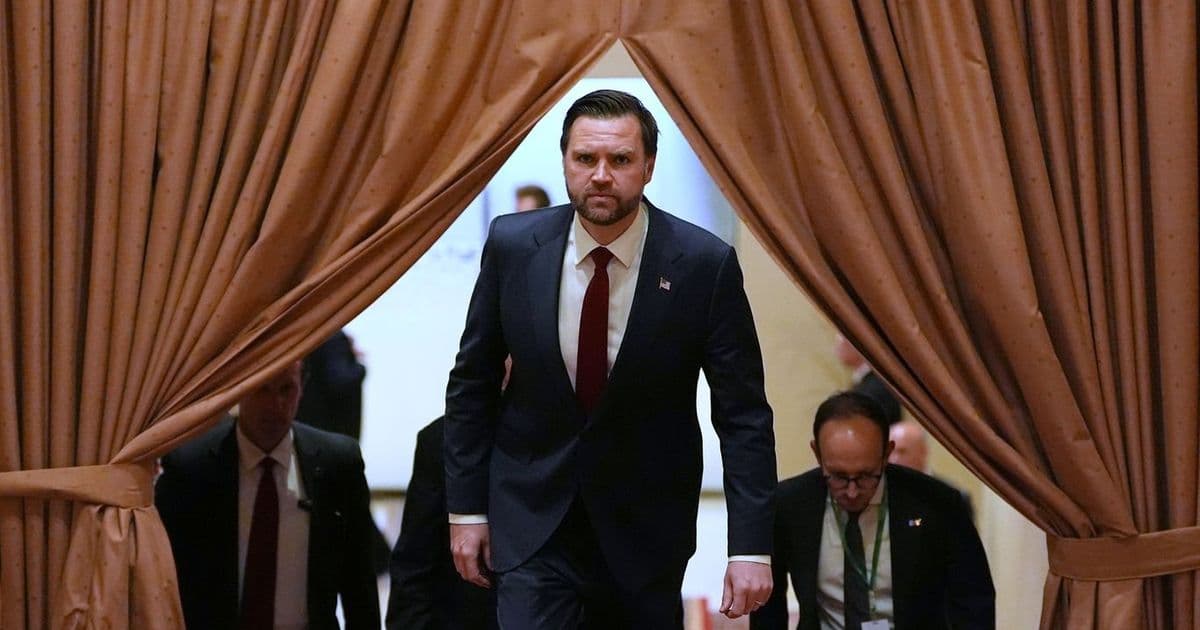
High-stakes negotiations between the U.S. and Iran concluded without a breakthrough, raising questions about future diplomatic options and regional stability.
High-level diplomatic talks between the United States and Iran concluded today without reaching an agreement, marking a significant setback in efforts to address Tehran's nuclear program and regional influence. The negotiations, which took place in Vienna, Austria, involved senior officials from both nations along with representatives from European allies and other stakeholders.
Key Points of the Negotiations
The discussions centered on several critical issues, including Iran's uranium enrichment activities, sanctions relief, and the broader framework for regional security. U.S. negotiators pushed for verifiable limits on Iran's nuclear capabilities, while Iranian representatives sought substantial economic concessions and guarantees against future policy reversals.
Despite three days of intensive talks, both sides failed to bridge their fundamental differences. The U.S. maintained its position that Iran must significantly roll back its nuclear program, while Iran insisted on its right to peaceful nuclear technology under the Non-Proliferation Treaty.
Market and Regional Implications
The lack of progress has already begun affecting global markets, with oil prices experiencing volatility as traders assess the potential for renewed tensions in the Middle East. The Strait of Hormuz, through which approximately 20% of the world's oil passes, remains a focal point of concern for energy markets.
Regional allies of both nations are now recalibrating their positions. Gulf states, particularly Saudi Arabia and the United Arab Emirates, have expressed apprehension about Iran's growing regional influence, while Israel has reiterated its opposition to any agreement that doesn't completely dismantle Iran's nuclear infrastructure.
Diplomatic Fallout
The breakdown in talks raises questions about the future of diplomatic engagement between Washington and Tehran. With the U.S. presidential election approaching, the timeline for any potential agreement has become even more constrained. The current administration faces pressure to demonstrate progress on this issue while managing relationships with allies who hold divergent views on the best approach to Iran.
European partners, who have been working to maintain the 2015 nuclear deal framework, now face increased pressure to either strengthen their mediation efforts or prepare for a scenario where the diplomatic track completely breaks down.
What Happens Next
Both sides have indicated they remain open to continued dialogue, though the path forward remains unclear. Technical working groups may continue discussions on specific aspects of a potential agreement, but the absence of high-level engagement suggests significant obstacles remain.
The International Atomic Energy Agency (IAEA) is expected to release its next report on Iran's nuclear activities in the coming weeks, which could provide additional context for the diplomatic impasse. Meanwhile, Iran continues to advance its nuclear program, with recent reports indicating increased uranium enrichment activities.
Strategic Considerations
Military experts note that the failure to reach an agreement increases the risk of miscalculation and potential conflict. The U.S. military has maintained a significant presence in the region, with aircraft carriers and other assets positioned to respond to any escalation.
Cybersecurity analysts are also monitoring for potential retaliatory actions, as Iran has demonstrated sophisticated capabilities in this domain in past confrontations with the United States.
The coming weeks will be critical in determining whether the diplomatic channel can be salvaged or whether both nations will pursue alternative strategies to address their concerns about Iran's nuclear program and regional activities.

The international community now faces the challenge of preventing further deterioration of the situation while seeking pathways to address the underlying security concerns that have brought the U.S. and Iran to this impasse.
Comments
Please log in or register to join the discussion