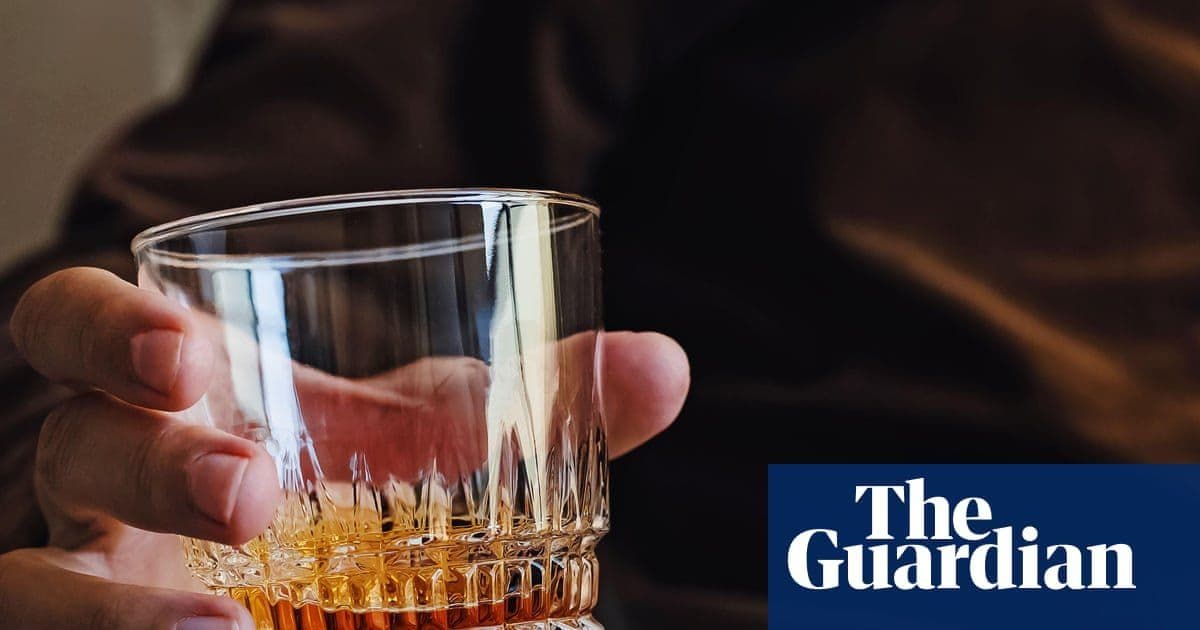
A federal appeals court has ruled that the long-standing US ban on home distilling is unconstitutional, potentially opening the door for hobbyists to legally produce spirits at home for personal consumption.
A federal appeals court has declared a 158-year-old federal ban on home distilling unconstitutional, marking a significant shift in alcohol regulation policy that could impact both hobbyist distillers and tax collection practices. The ruling, which originated from the US Court of Appeals for the Fifth Circuit, challenges a law dating back to the Reconstruction era that prohibited individuals from distilling spirits at home for personal use.
The case centered on arguments that the ban, originally implemented to prevent liquor tax evasion during the post-Civil War period, had outlived its original purpose and now actually reduced tax revenue by pushing hobbyists into the shadows. The court found that the government failed to demonstrate a compelling interest in maintaining the prohibition, particularly given that home brewing of beer and wine has been legal since 1978.
Historical Context and Legal Precedent
The ban traces its origins to 1868, when Congress passed legislation prohibiting home distillation as part of broader efforts to enforce liquor taxes during the Reconstruction era. At the time, moonshining was widespread, and the government sought to ensure all alcohol production was properly taxed. However, the Fifth Circuit's ruling suggests that the original justification for the ban no longer applies in today's regulatory environment.
Judge [Name], writing for the majority, noted that the ban's original purpose of preventing tax evasion had become counterproductive. "The prohibition actually reduces tax revenue by forcing hobbyists to operate underground," the judge wrote, pointing out that many enthusiasts continue to distill spirits at home despite the legal risks.
Implications for Hobbyist Distillers
The ruling could have significant implications for the thousands of Americans who currently engage in home distilling despite its illegal status. Unlike home brewing, which has flourished since its legalization in 1978, home distilling has remained in a legal gray area, with enthusiasts risking federal charges for pursuing their hobby.
The decision may pave the way for a regulatory framework similar to that governing home brewing, where individuals can produce limited quantities of alcohol for personal consumption without commercial licensing. This could potentially create a new category of hobbyist distillers who can legally pursue their craft without fear of prosecution.
Tax Revenue and Regulatory Concerns
One of the most interesting aspects of the ruling is its acknowledgment that the ban may actually be costing the government money. By forcing home distillers underground, the government misses out on potential tax revenue from equipment sales, ingredients, and related supplies that could be tracked and taxed if the practice were legal.
However, critics of the ruling argue that home distilling poses unique safety risks compared to brewing beer or wine. The distillation process involves heating alcohol to create vapor, which can be dangerous if not done properly. There are also concerns about methanol poisoning if the distillation process is not executed correctly.
Industry and Public Health Perspectives
The ruling has drawn mixed reactions from various stakeholders. The distilled spirits industry has expressed concern that legalizing home distilling could lead to quality control issues and potentially harm the reputation of professionally produced spirits. Public health advocates worry about the potential for increased alcohol consumption and the risks associated with improperly produced spirits.
On the other hand, supporters of the ruling argue that responsible adults should have the freedom to pursue their hobbies, especially when those hobbies involve traditional crafts and skills. They point out that many other countries, including New Zealand, have long allowed home distillation without significant negative consequences.
Next Steps and Potential Challenges
The federal government could appeal the ruling to the Supreme Court, though it's unclear whether they will choose to do so. If the ruling stands, Congress would need to act to create a legal framework for home distilling, similar to the regulations that govern home brewing.
Any new legislation would likely include limits on the quantity of spirits that could be produced, requirements for safe distillation practices, and prohibitions on selling home-distilled products. The challenge will be balancing hobbyist rights with public safety and tax collection concerns.
Broader Implications for Personal Freedom and Regulation
The case raises broader questions about the role of government in regulating personal behavior and the balance between individual freedom and public safety. It also highlights how laws from the Reconstruction era may no longer serve their intended purpose in the modern era.
As the legal landscape evolves, it will be interesting to see how states respond to the ruling. While federal law currently prohibits home distilling, states have their own alcohol regulations that could either complement or conflict with any changes to federal law.
For now, the ruling represents a significant victory for hobbyist rights advocates and a potential shift in how the government approaches alcohol regulation. Whether it leads to a new era of legal home distilling or sparks further legal battles remains to be seen.
Comments
Please log in or register to join the discussion