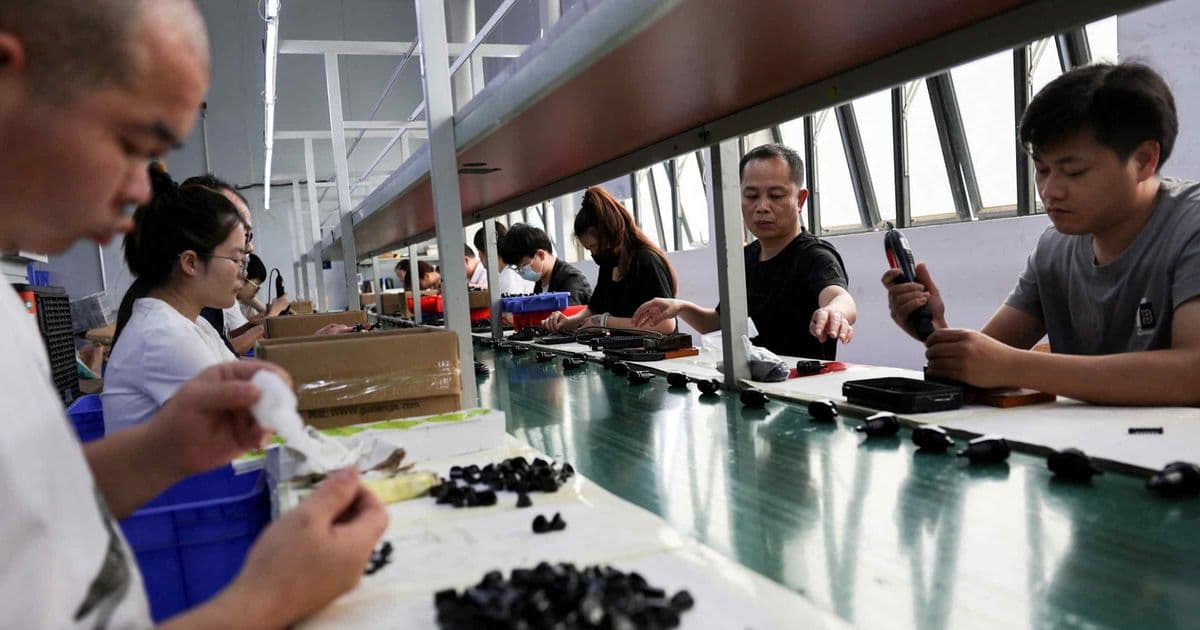
A new EU Chamber of Commerce survey shows that confidence among European firms operating in China has risen from record lows, driven by China's economic resilience, but lingering geopolitical tensions and policy uncertainties keep firms cautious.
Business confidence in China rebounds: EU Chamber of Commerce survey
European companies with operations in China reported a noticeable lift in confidence this quarter, according to the latest EU Chamber of Commerce survey released on May 27, 2026. After plunging to historic lows across several indicators in 2025, the composite confidence index rose to 68.2, up from 54.3 a year earlier. The improvement reflects a broader perception that China’s economy is weathering global headwinds better than many had expected.
Market context
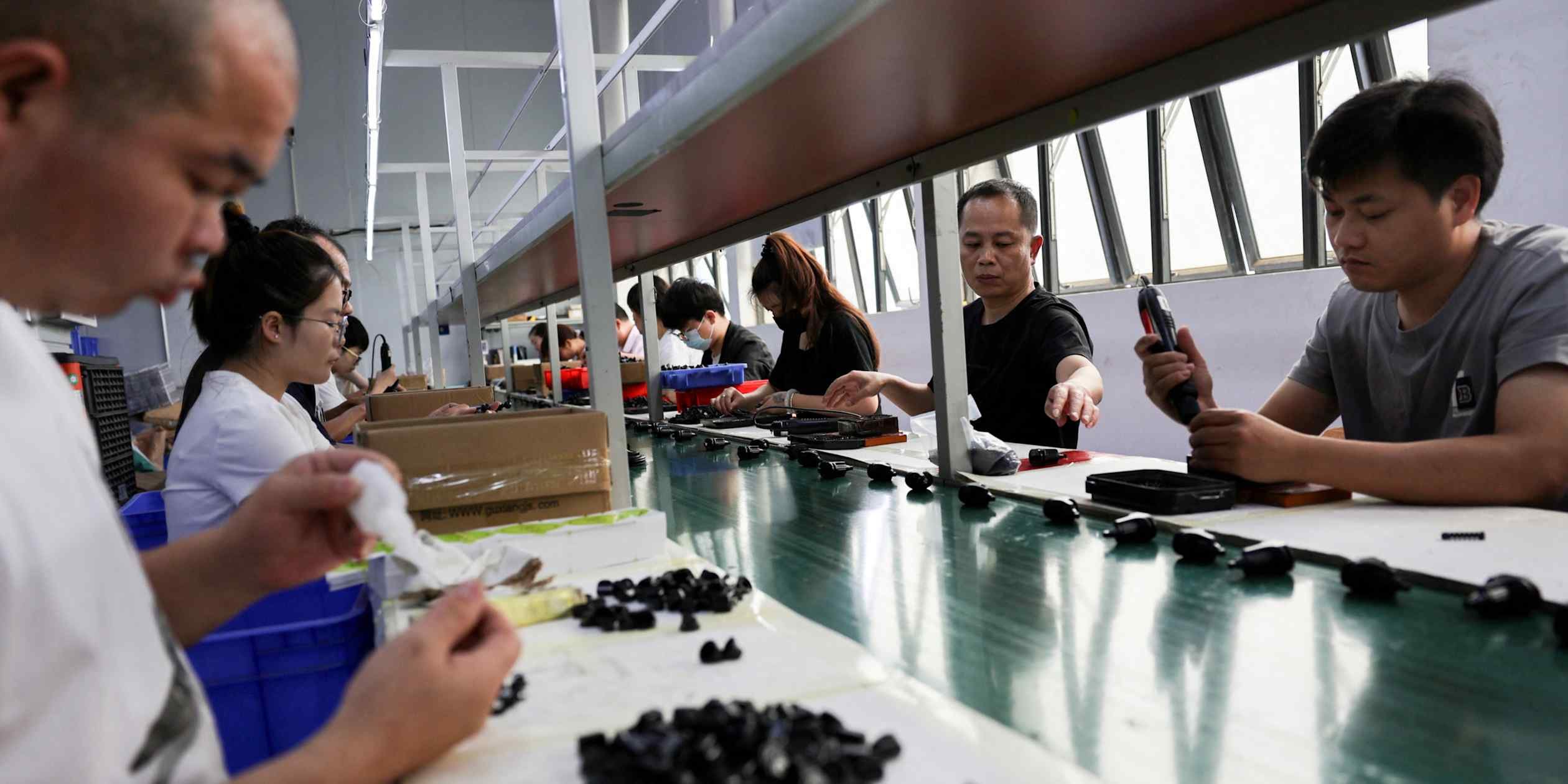
Resilience to external shocks – The survey cites China’s ability to keep GDP growth above 4 % in 2025 despite a weak yuan, ongoing trade frictions, and slower demand in Europe and the United States. Manufacturing output in the Pearl River Delta, for example, grew 3.7 % YoY in Q1, outpacing the 2.1 % growth recorded in the Eurozone.
Supply‑chain stability – Respondents highlighted that Chinese suppliers have restored lead‑time reliability after the disruptions caused by the 2024‑25 pandemic‑related lockdowns. The average on‑time delivery rate for European firms rose from 78 % to 86 % over the past twelve months.
Policy environment – While Beijing has rolled out a series of tax incentives for foreign‑owned enterprises—most notably a 15 % reduction in corporate income tax for qualifying R&D projects—companies remain wary of regulatory unpredictability, especially in the technology and data‑privacy sectors.
Geopolitical tension – The survey notes a “moderate” increase in perceived risk stemming from recent diplomatic friction between the EU and China over market‑access negotiations and human‑rights concerns. About 42 % of respondents said they are reviewing contingency plans for potential export controls.
What it means for European investors and managers
Capital allocation may shift back to China – The confidence rebound is likely to encourage firms that paused or scaled back investments in 2025 to restart projects, particularly in high‑value manufacturing, renewable‑energy components, and consumer‑goods distribution. The EU‑China Investment Forum, scheduled for September, is expected to see a higher pipeline of €12‑15 billion in new commitments compared with the €8 billion recorded last year.
Risk‑management strategies will evolve – Companies are expected to diversify supply chains by adding secondary sourcing hubs in Southeast Asia while keeping China as the primary production base. This “dual‑track” approach aims to capture cost advantages in China while mitigating exposure to future trade restrictions.
Talent and technology partnerships – The survey shows a 23 % increase in firms planning joint‑venture R&D with Chinese partners, especially in electric‑vehicle batteries and semiconductor packaging. Such collaborations could help European firms meet the EU’s Green Deal targets while leveraging China’s scale.
Regulatory monitoring becomes a priority – With 58 % of respondents flagging “policy uncertainty” as a top concern, firms are likely to invest more in local compliance teams and engage proactively with both EU and Chinese regulators to shape forthcoming standards.
Outlook
The EU Chamber’s data suggests that, despite lingering geopolitical frictions, the fundamental economic dynamics in China remain attractive for European businesses. If the current trajectory holds, confidence could edge toward the pre‑2025 level of 73‑75 by the end of 2026, provided that Beijing continues to deliver policy certainty and global markets avoid a sharp slowdown.
For investors, the signal is clear: a cautiously optimistic stance on China‑focused assets may be warranted, but it should be balanced with robust scenario planning for regulatory and trade‑policy developments.
Comments
Please log in or register to join the discussion