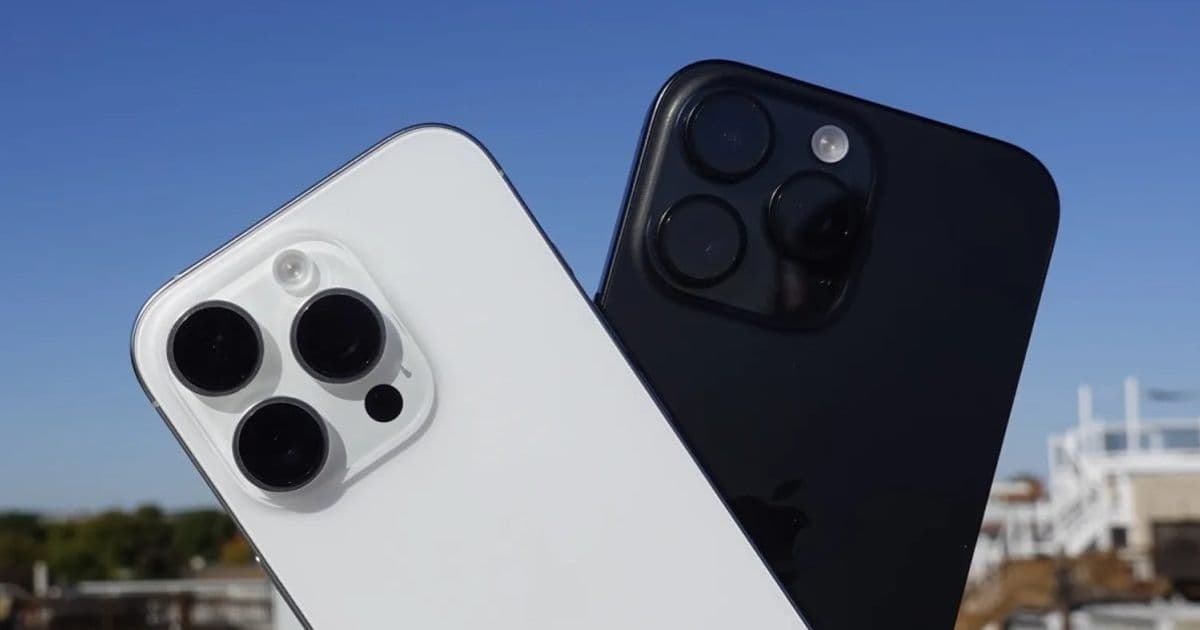
Apple’s May 2026 trade‑in price list raises top offers for the newest iPhone 16 models, the iPad Pro, and several Mac devices while trimming a few older configurations. The adjustments reflect shifting resale demand and could affect upgrade cycles for developers and power users.
Apple announced a fresh set of trade‑in values on May 27, 2026, covering iPhone, iPad, Apple Watch, Mac and even Android handsets. The company says the changes are driven by market supply, demand and competitive pressure, but the practical impact is clear: owners of the latest hardware can now recoup a few extra dollars when they upgrade, while some older Macs see modest cuts.
What’s new for iPhone 16?
The most noticeable bump is for the iPhone 16 Pro Max, whose top‑tier offer climbs from $685 to $695. The iPhone 16 Pro and the 16 Plus also see $10‑level increases, moving to $560 and $465 respectively. The base iPhone 16 gets a smaller rise, from $435 to $460. For developers who maintain apps across multiple iPhone generations, the higher residual value may encourage faster turnover to the newest OS and hardware, which can simplify testing and reduce the need to support legacy devices.
iPad and Apple Watch adjustments
- iPad Pro: $690 (up $20) – the most valuable tablet in Apple’s lineup now commands a premium that aligns with its M‑series chip performance.
- iPad Air: $460 (up $15)
- iPad: $235 (up $15)
- iPad mini: $265 (up $15)
Apple Watch values are mixed. The Ultra 2 gains $10, reaching $305, while the Series 9 adds $10 to $130. The Series 10 stays at $150, and the original Ultra drops $10 to $205. These shifts are small enough that most users won’t feel a major difference, but they do hint at Apple’s effort to keep wearables attractive for trade‑in programs.
Mac lineup – gains and losses
Mac trade‑in prices are a mixed bag:
- MacBook Pro 14‑inch (M3 Pro): $690 (up $5)
- MacBook Pro 14‑inch (M3 Max): $520 (up $35)
- iMac: $355 (unchanged)
- iMac Pro: $315 (down $10)
- Mac mini: $375 (up $35)
- Mac Studio: $1,045 (up $70)
- Mac Pro: $2,045 (down $45)
The Mac Pro’s slight reduction may reflect a slower resale market for high‑end workstations, while the Mac Studio’s rise suggests strong demand for its compact power. For developers who rely on Mac hardware for building iOS/macOS apps, the higher trade‑in values for the newer MacBook Pro and Mac mini could make it more economical to refresh machines annually, ensuring access to the latest Xcode toolchain and Apple Silicon performance.
Android phones and overall context
Apple’s trade‑in estimate for top‑end Android devices fell from $370 to $360, a modest $10 dip. The broader trend shows Apple fine‑tuning its program to stay competitive with other resale services and carrier buy‑back offers.
Why the changes matter for developers
- Upgrade cadence – Higher credits reduce the net cost of moving to the newest iPhone or Mac, encouraging developers to test on the latest silicon and OS versions sooner.
- Device pool management – Companies that provide devices to employees can recoup more value, lowering total cost of ownership for a fleet of test devices.
- App store economics – When users upgrade more frequently, they are more likely to download the latest app builds, which can improve conversion metrics for in‑app purchases and subscriptions.
How to claim the new rates
Visit Apple’s official trade‑in page to enter your device’s serial number or model details. The site will present the updated estimate and guide you through shipping or in‑store drop‑off options. Keep in mind that the quoted amount is a baseline; final credit may vary based on device condition.
Bottom line
Apple’s May 2026 trade‑in refresh nudges the resale value of its newest iPhone 16 and iPad Pro models upward, while trimming a few older Mac configurations. For developers and power users, the higher credits can make a tangible difference when budgeting for hardware upgrades, ultimately helping keep the development environment current with Apple’s fast‑moving silicon roadmap.
Comments
Please log in or register to join the discussion