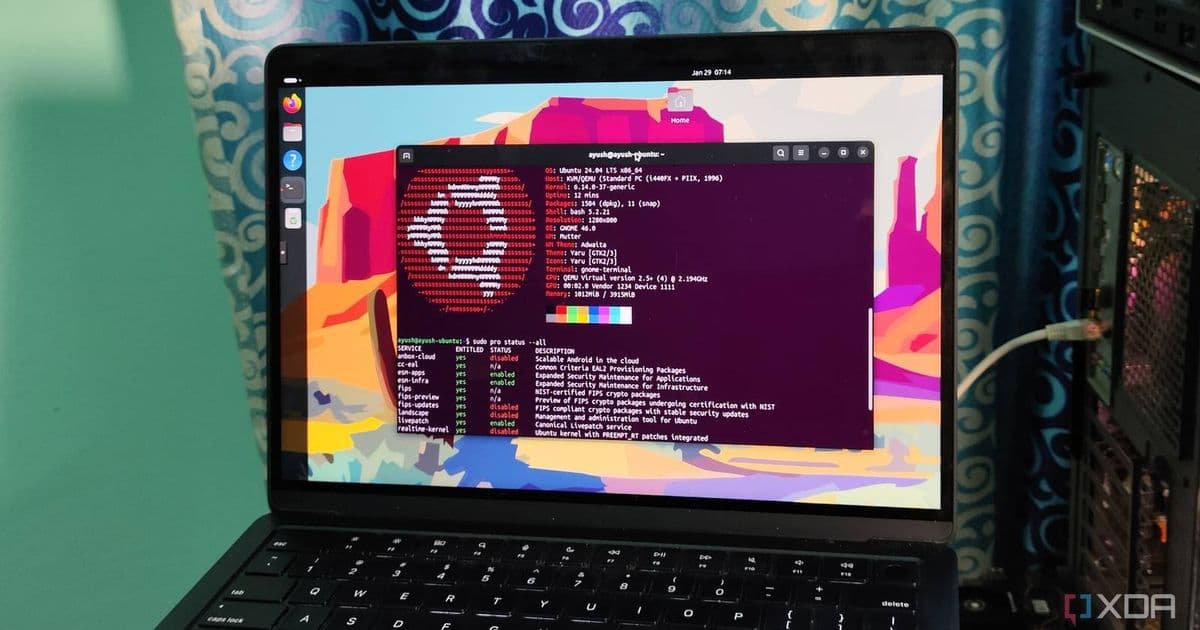
Ubuntu 26.04's increased RAM requirements compared to Windows 11 reveal Microsoft's surprising focus on optimization and efficiency in recent years.
Ubuntu 26.04's increased RAM requirements compared to Windows 11 reveal Microsoft's surprising focus on optimization and efficiency in recent years.
The RAM Requirements Gap
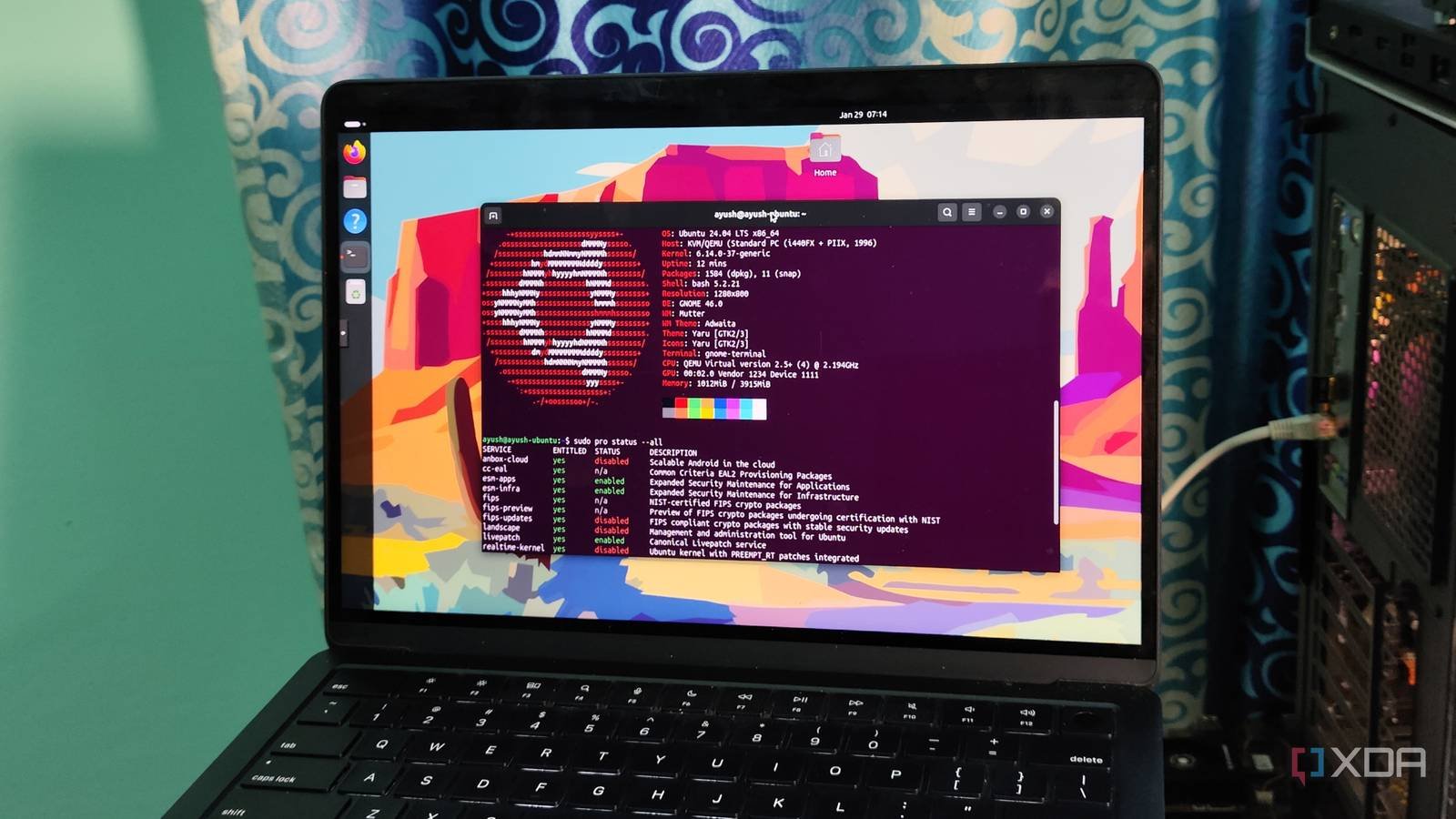
Ubuntu 26.04, the latest LTS release from Canonical, now requires a minimum of 8GB RAM for optimal performance, up from 4GB in previous versions. Meanwhile, Windows 11 continues to run smoothly on 4GB systems, though Microsoft recommends 8GB for the best experience.
This reversal of traditional expectations says more about Microsoft's recent engineering efforts than any shortcomings in Ubuntu. Over the past few years, Microsoft has invested heavily in memory optimization, particularly for Windows 11's core components and system processes.
Microsoft's Efficiency Push
The shift toward lower memory requirements stems from several Microsoft initiatives:
- Core OS optimization: Windows 11's memory management has been refined to reduce overhead
- Componentization: The OS now loads only necessary components, reducing memory footprint
- Background process improvements: Microsoft has tightened control over background apps and services
- Virtual memory enhancements: Better use of disk space when RAM is limited
These changes represent a significant departure from Windows 10's approach, which often consumed 3-4GB RAM on fresh installations.
Ubuntu's Growing Demands
Ubuntu's increased requirements reflect its evolution as a modern desktop OS:
- Enhanced desktop environment: GNOME 48 brings improved animations and features
- Container support: Built-in containerization tools require additional memory
- AI integration: Machine learning features and predictive algorithms need more resources
- Security enhancements: Advanced security features like memory-safe programming add overhead
What This Means for Users
The RAM requirements gap creates interesting scenarios for different user groups:
Budget PC users: Windows 11 remains viable on older hardware, extending device lifespans Enterprise deployments: Organizations can continue using existing hardware longer Linux enthusiasts: May need to consider lighter distributions for older machines Developers: Benefit from Ubuntu's enhanced capabilities on modern hardware
The Bigger Picture
This development highlights how OS development priorities have shifted:
- Microsoft: Focused on accessibility and efficiency to maintain Windows' massive install base
- Canonical: Prioritizing cutting-edge features and modern development workflows
- Apple: Continues its own trajectory with tight hardware-software integration
The RAM requirements comparison isn't a competition but rather a reflection of different strategic approaches to operating system development in 2026.
Looking Forward
As both ecosystems evolve, we can expect:
- Windows: Continued optimization efforts, possibly reducing minimum requirements further
- Ubuntu: Potential split between feature-rich desktop and lightweight variants
- Hardware trends: Growing adoption of DDR5 and increased standard RAM configurations
For now, the fact that Windows 11 runs more efficiently than Ubuntu on limited RAM represents one of the most surprising developments in desktop computing this year.
Comments
Please log in or register to join the discussion