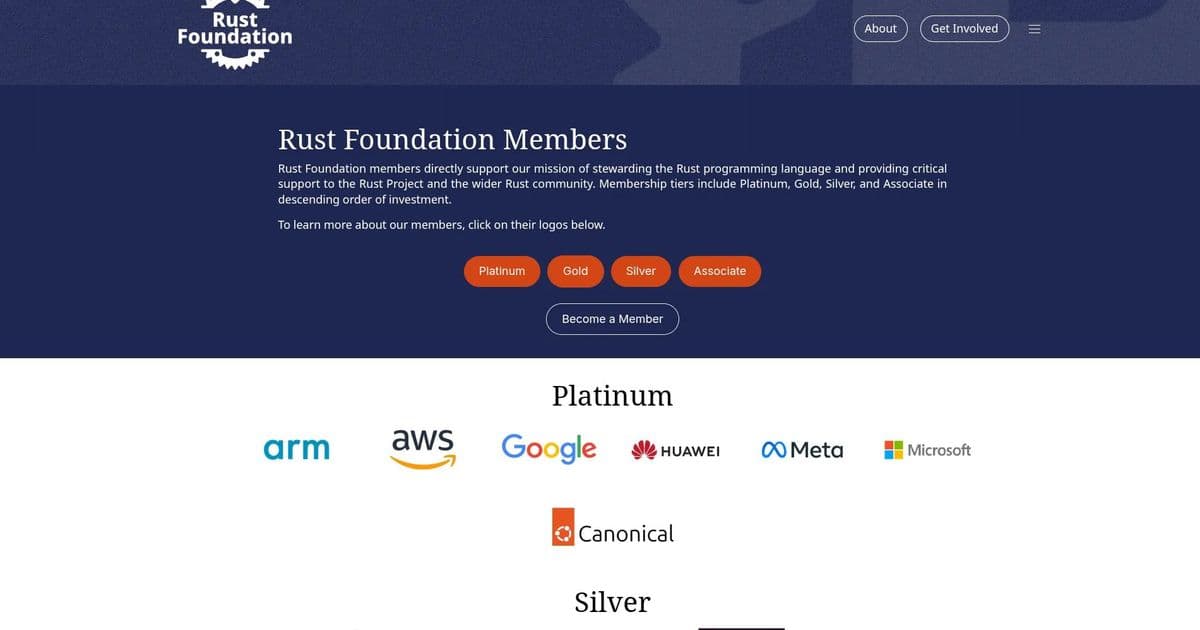
Canonical becomes a Gold Member of the Rust Foundation, signaling deeper investment in Rust's memory-safe future for Ubuntu Linux.
Canonical, the company behind Ubuntu Linux, has officially joined the Rust Foundation as a Gold Member. The announcement, made ahead of the upcoming Ubuntu 26.04 LTS release, marks a significant step in Canonical's commitment to the Rust programming language and its ecosystem.
Why Rust Matters to Ubuntu
Ubuntu has been steadily increasing its adoption of Rust across the operating system. The most visible change came with Ubuntu 25.10, which began shipping the Rust-based uutils in place of the traditional GNU Coreutils. This shift reflects Canonical's belief in Rust's advantages for system-level programming, particularly its memory safety guarantees and modern tooling.
Beyond core utilities, Ubuntu has been incorporating more Rust components throughout the stack. The upcoming Ubuntu 26.04 LTS will include the latest Rust compiler and Cargo package manager, ensuring users have access to the most current Rust ecosystem.
What Gold Membership Means
The Gold Membership tier at the Rust Foundation costs $150,000 per year. This level provides Canonical with several benefits:
- A dedicated representative on the Rust Foundation Board of Directors
- Promotion opportunities through the Foundation's editorial calendar
- Access to Foundation resources and initiatives
This membership level sits below the Platinum tier ($325,000/year), which is held by major tech companies including Google, Amazon/AWS, Meta, and Microsoft. These platinum members have greater influence and resources to direct the Foundation's efforts.
Strategic Implications
Canonical's move represents more than just financial support. By joining the Rust Foundation, Ubuntu positions itself as a key stakeholder in Rust's future development. This is particularly relevant as Rust continues to gain traction in systems programming, cloud infrastructure, and even operating system development.
For Ubuntu users, this membership could translate to:
- Earlier access to Rust-based tools and libraries
- Better integration of Rust components in the Ubuntu ecosystem
- Direct influence on Rust's development priorities that affect Linux distributions
The timing is notable as it comes just before a major LTS release, suggesting Canonical sees Rust as integral to Ubuntu's long-term strategy. The company has been vocal about Rust's benefits for security and reliability, two critical factors for enterprise Linux deployments.
Looking Forward
With Canonical now part of the Rust Foundation's governance structure, we can expect to see continued Rust integration in Ubuntu. The combination of Ubuntu's massive user base and Rust's growing popularity in systems programming creates a powerful synergy that could accelerate both projects' adoption.
For developers working in the Ubuntu ecosystem, this move signals that Rust skills will become increasingly valuable. The language's emphasis on memory safety without sacrificing performance makes it particularly well-suited for the types of system-level work that Ubuntu specializes in.
Those interested in learning more about Canonical's specific plans and motivations can read their detailed announcement on the Canonical Blog.
Comments
Please log in or register to join the discussion