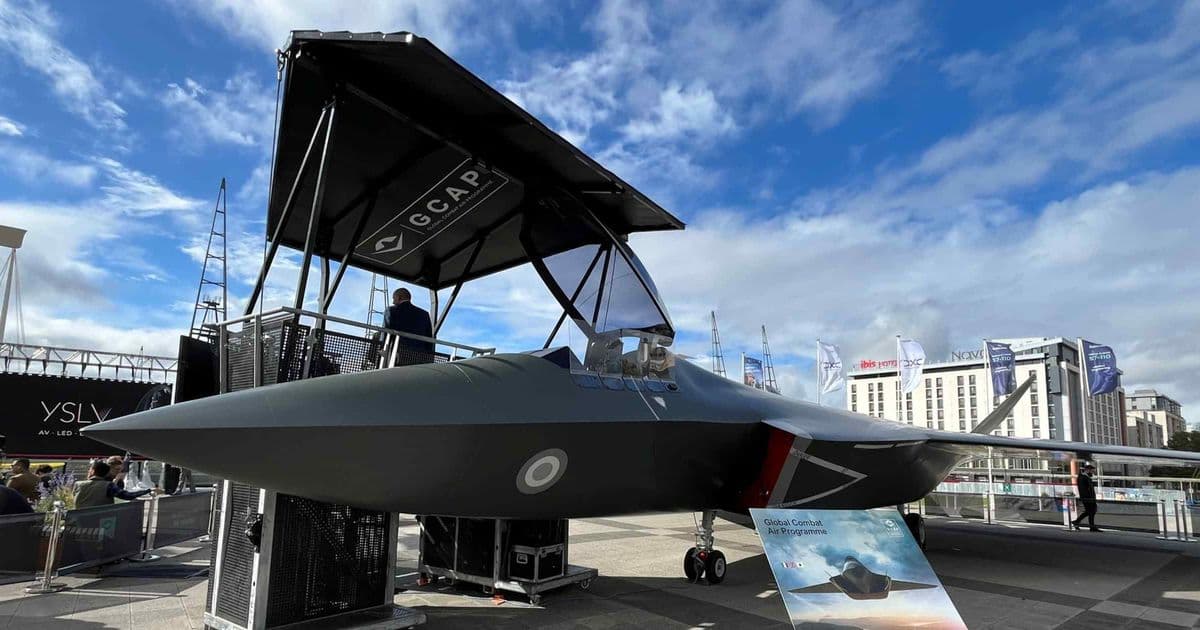
The UK's financial constraints and pressure from the United States to increase European defense spending are causing delays in finalizing a contract for the next-generation fighter jet program, a joint venture between Japan, Italy, and the United Kingdom known as the Global Combat Air Programme (GCAP).
The trilateral contract for the joint development of a next-generation fighter jet between Japan, Italy, and the United Kingdom remains unsigned, with the UK's budgetary pressures cited as a primary cause. The delay threatens the program's target deployment date of 2035 and underscores the complex financial and geopolitical calculations facing European defense partners.
The program, formally structured as the Edgewing joint venture, represents a significant shift in international defense collaboration. Japan, traditionally a pacifist nation with a constrained defense industry, is partnering with two established European aerospace powers. The goal is to develop a 6th-generation fighter capable of integrating advanced avionics, stealth capabilities, and potentially unmanned wingman systems. For Japan, the partnership offers a path to modernize its air force and reduce reliance on foreign procurement, such as the long-delayed F-35 purchases from the United States. For the UK and Italy, it provides a shared development cost for a critical future capability.
However, the UK's Ministry of Defence is operating under significant fiscal strain. The government is grappling with competing priorities, including a strained National Health Service and aging infrastructure. This domestic budget pressure is compounded by external geopolitical demands. The Trump administration has been vocal in urging European NATO allies to increase their defense spending to 2% of GDP, a long-standing NATO guideline that many members, including the UK, have struggled to meet consistently. This U.S. pressure creates a difficult balancing act for London: it must fund current military operations and modernization while committing billions to a long-term, multinational development program that will not yield operational aircraft for nearly a decade.
The financial implications of a delay are substantial. The GCAP program is estimated to cost tens of billions of pounds over its lifecycle. A delay in finalizing the public-private joint development contract could lead to cost escalation, as engineering teams and supply chains remain in a state of uncertainty. It also risks a domino effect, potentially impacting the industrial base and workforce planning in all three nations. For the partner companies—BAE Systems, Leonardo, and Mitsubishi Heavy Industries—prolonged uncertainty complicates investment decisions and long-term project scheduling.
Strategically, the delay has broader implications for the Indo-Pacific and European security architectures. A successful GCAP would provide Japan with a sovereign high-end combat capability, altering the regional military balance. For the UK, the program is a cornerstone of its "Global Britain" defense strategy, aiming to maintain a leading edge in aerospace technology and deepen ties with key Indo-Pacific partners. A failure to commit on schedule could signal a retreat from these ambitions, potentially weakening the UK's position in future defense collaborations and its influence in shaping regional security norms.
The situation highlights the tension between immediate fiscal realities and long-term strategic imperatives. While the UK government has expressed strong political support for the GCAP, translating that into a binding financial commitment is proving challenging. The partnership with Japan and Italy is not merely a procurement deal but a deep industrial and technological integration. Any delay in the contract finalization risks eroding the trust and momentum built over years of diplomatic and technical discussions.
The 2035 deployment date is already considered ambitious for a program of this complexity. Industry analysts note that such multinational development projects often face schedule slips even under stable funding. The current UK budget uncertainty adds a significant layer of risk. The program's success now hinges on the UK's ability to navigate its domestic financial pressures while meeting its international defense obligations and maintaining the strategic confidence of its partners in Tokyo and Rome.
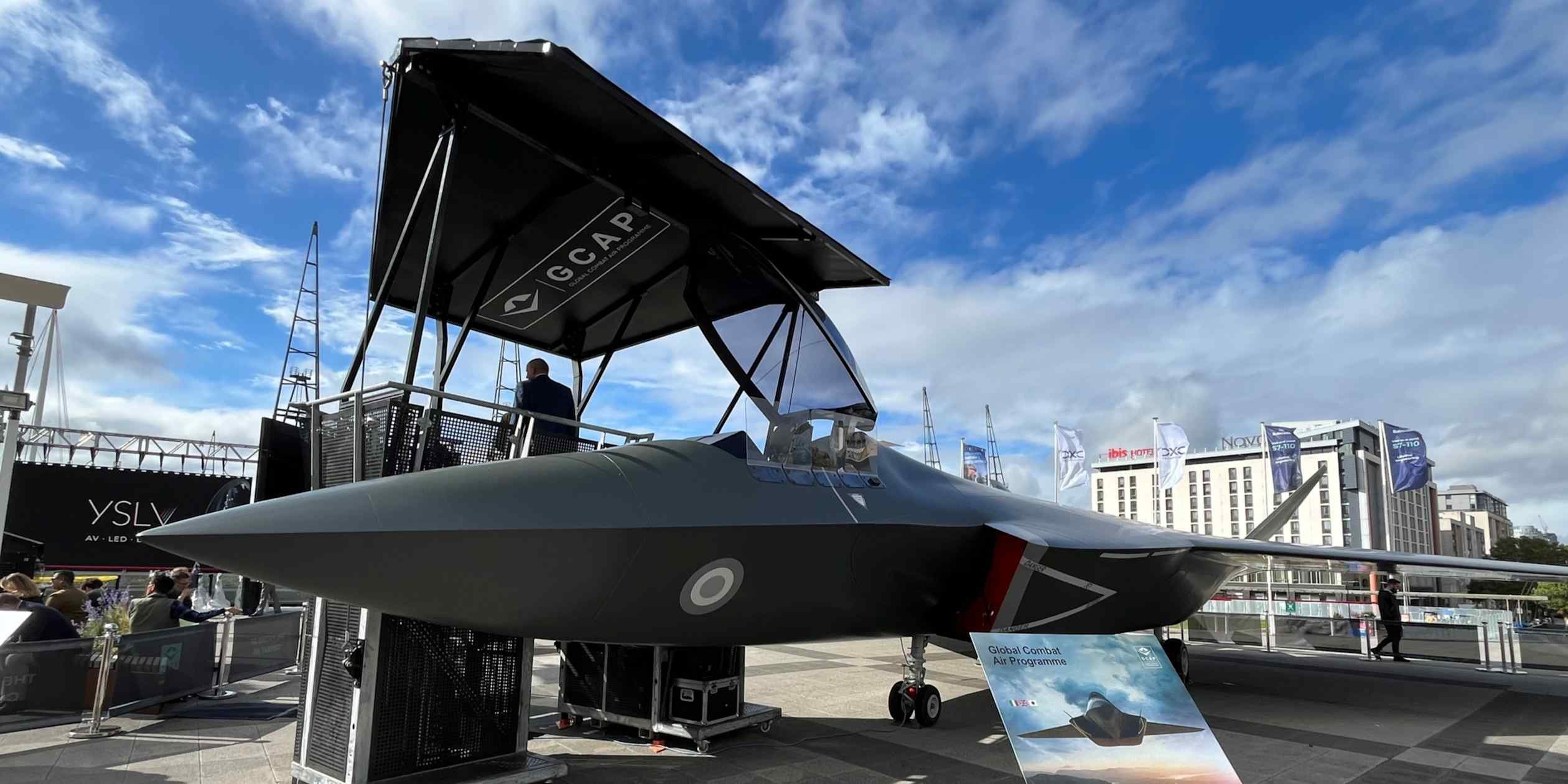
The path forward requires a clear financial commitment from the UK Treasury, likely involving a multi-year funding settlement that provides stability for the industrial partners. It also necessitates a coherent narrative that aligns the program's costs with tangible strategic outcomes, both for national security and for the UK's aerospace sector. Without this, the trilateral fighter jet program risks becoming a casualty of budgetary politics, with consequences that would reverberate through the defense industries and strategic alliances of all three nations.
Comments
Please log in or register to join the discussion