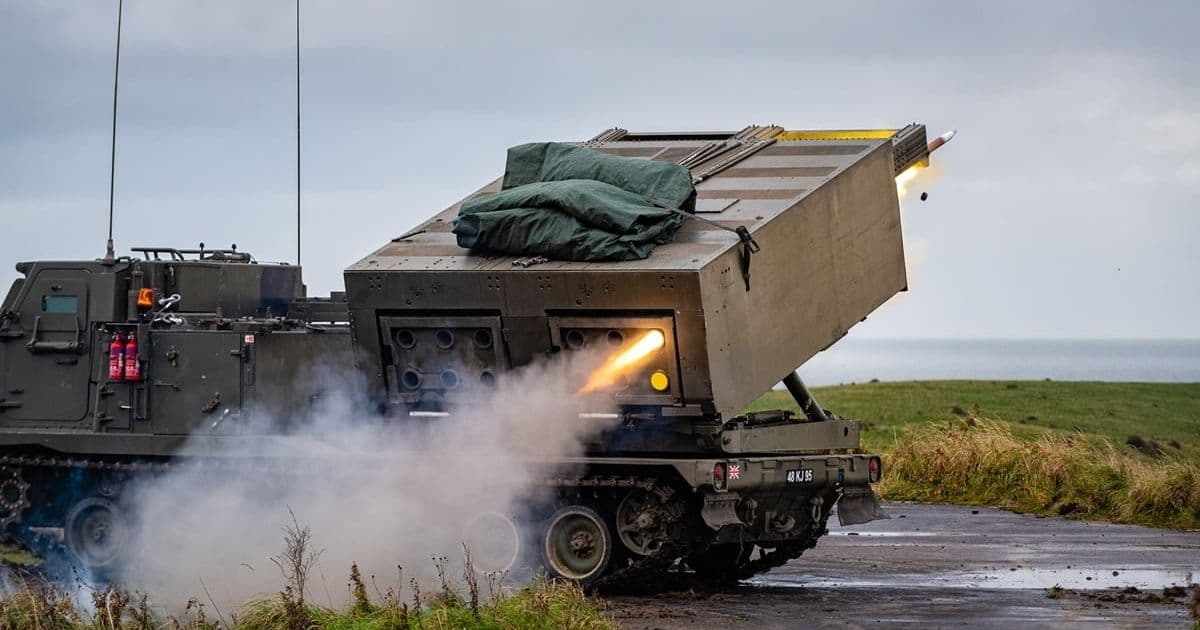
The UK Ministry of Defence has launched Project Nightfall, a fast-track initiative to develop and deploy a 500km-range ballistic missile system for Ukraine within 12 months, with potential adoption by British forces.
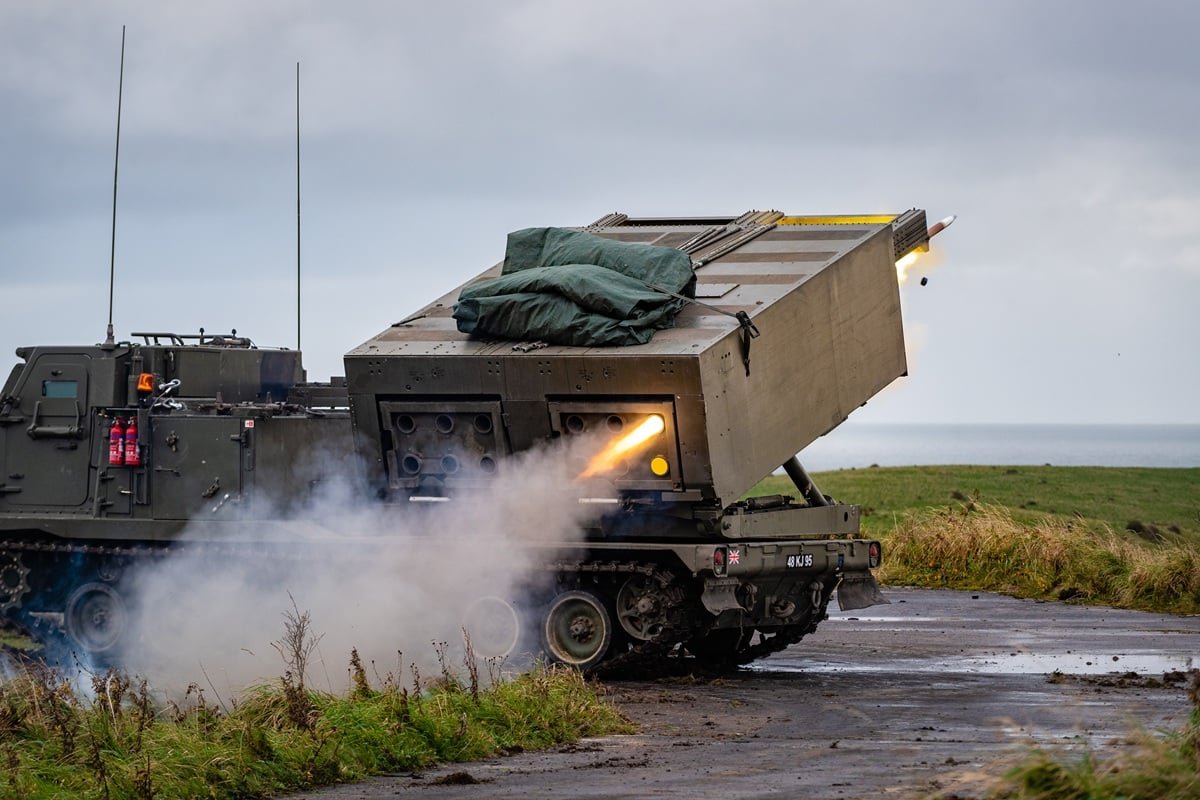
The UK Ministry of Defence (MoD) has initiated an urgent procurement program codenamed Project Nightfall, requiring defence contractors to rapidly develop and deliver a new ground-launched ballistic missile system for Ukraine. This regulatory action establishes strict technical specifications, production deadlines, and compliance requirements for participating manufacturers.
Regulatory Requirements
The MoD mandates that the missile must:
- Achieve a minimum operational range exceeding 500 kilometers
- Carry a 200kg conventional high-explosive warhead
- Maintain functionality in high-electromagnetic-interference environments
- Support rapid multi-missile launches from mobile platforms
- Limit production costs to £800,000 ($1M USD) per unit
- Enable vehicle relocation within minutes post-launch to avoid counterstrikes
Manufacturers must utilize existing missile component ecosystems where feasible, following the precedent of the Common Anti-Air Modular Missile (CAMM) system, which repurposed elements from the ASRAAM air-to-air missile. This component-reuse strategy is explicitly required to meet the compressed development timeline.
Compliance Timeline
The MoD has imposed a strict regulatory schedule:
- 9 February 2026: Deadline for proposal submissions
- March 2026: Contract awards to three selected manufacturers
- 12-month development window: Delivery of three test-firing prototypes per contractor
- Post-validation: Sustained production rate of 10 systems monthly
Contracts include £9M ($12M) development funding per selected team. The accelerated timeline reflects Ukraine's immediate battlefield requirements against Russian forces, while export-control provisions ensure unimpeded transfer to Ukrainian forces without third-party vetoes.
Long-Term Compliance Implications
While primarily addressing Ukraine's urgent needs, Project Nightfall will directly inform the UK's future artillery modernization programs. Defence firms should note that successful compliance may lead to modified variants entering British Army service, replacing systems depleted through donations like the AS90 self-propelled guns. Manufacturers must document all design processes for potential dual-use adaptation and future regulatory audits.
Minister for Defence Readiness Luke Pollard confirmed the UK's ongoing commitment: "Providing equipment to keep [Ukraine] in the fight today, whilst working to secure the peace tomorrow." Defence contractors should prioritize supply chain transparency and electromagnetic resilience testing to meet the MoD's operational readiness standards within this unprecedented procurement framework.
Comments
Please log in or register to join the discussion