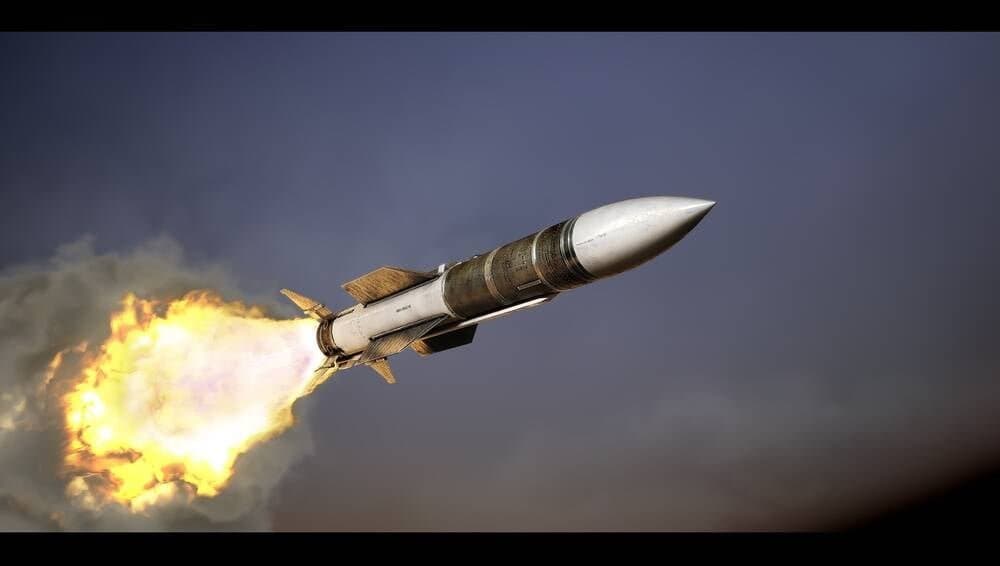
Britain invests £350K to build first pilot facility for ceramic matrix composites, aiming to reduce reliance on foreign suppliers for critical hypersonic missile components.
The UK has taken a significant step toward self-sufficiency in advanced materials manufacturing with the launch of its first domestic pilot facility for ceramic matrix composites (CMCs), a critical technology for hypersonic missiles and other high-temperature applications.
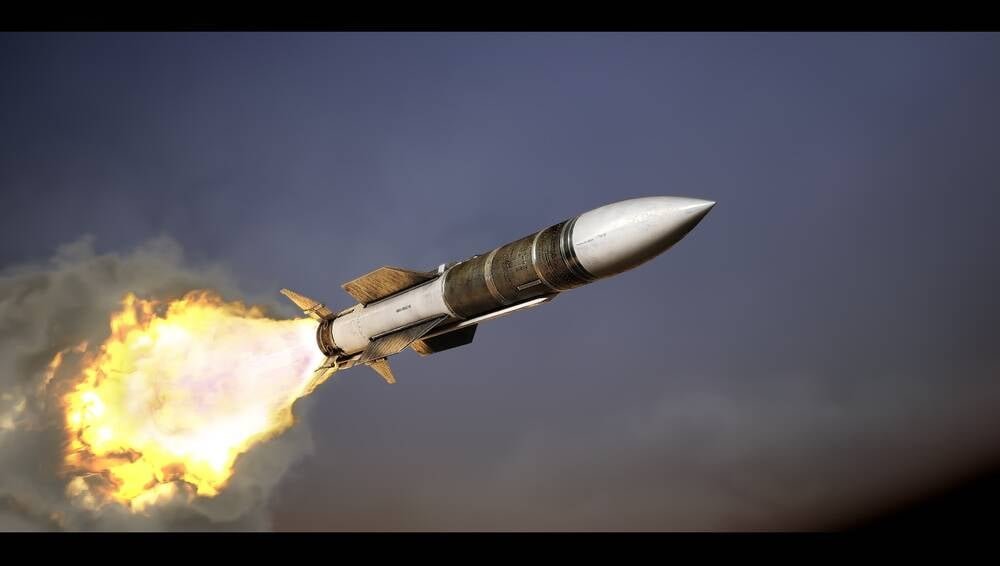
The Defence Science and Technology Laboratory (DSTL) has invested approximately £350,000 (about $470,000) in Cross Manufacturing Ltd, based in Bath and Wiltshire, to establish the UK's first end-to-end manufacturing process for these exotic materials. The investment comes through funding from the Ministry of Defence's Chief Scientific Adviser.
CMCs represent a breakthrough in materials science, combining ceramic fibers embedded in a ceramic matrix to create composites that overcome the brittleness of traditional ceramics while maintaining exceptional heat resistance. These materials can withstand temperatures exceeding 1,000°C (1,832°F) without losing strength or shape, making them ideal for applications where conventional metals would fail.
The timing aligns with the UK's growing hypersonic missile ambitions. The Ministry of Defence recently awarded a £12 million ($16 million) contract to an engineering firm to begin development on hypersonic missile design, with flight testing planned before prototype missiles capable of extreme speeds and temperatures enter production. Current projections suggest a demonstrator could be ready by 2030.
Historically, the UK has depended on overseas suppliers for these specialist materials, creating potential supply chain vulnerabilities for critical defense applications. The new facility aims to eliminate this dependency by establishing sovereign capability in CMC production.
"This milestone represents a significant enhancement of UK sovereign capability," said DSTL materials engineer Chris Hawkins. "These advanced materials will underpin future defence systems, space technologies and high‑temperature applications."
The pilot facility represents a collaborative effort involving multiple partners. In addition to DSTL and Cross Manufacturing, the University of Oxford, the National Composites Centre, and the UK Atomic Energy Authority (UKAEA) have contributed expertise. Defense contractors QinetiQ and MBDA have also joined the consortium.
During development, the Cross Manufacturing team produced sample components including nose cones, curved panels, and high-temperature seals. These prototypes underwent rigorous testing to validate the manufacturing process and material properties.
Dr Talha Pirzada, Research & Technology Manager at Cross Manufacturing, emphasized the significance of the achievement: "The consortium now holds the capability to produce demonstrator components from oxide‑based ceramic matrix composites, a first for the UK."
The facility operates at pilot scale but is designed with industrial scalability in mind. This approach allows for refinement of manufacturing processes before committing to full-scale production, reducing risks and optimizing efficiency.
Beyond military applications, CMCs have potential uses in space technology, advanced propulsion systems, and other high-temperature environments where material performance is critical. The ability to produce these materials domestically could benefit multiple sectors of the UK economy.
The investment reflects broader trends in defense manufacturing, where nations increasingly seek to develop indigenous capabilities for critical technologies. As hypersonic weapons become more central to military strategy, control over the materials that make them possible takes on strategic importance.
For the UK defense industry, this development represents a crucial step toward reducing technological dependencies and strengthening the domestic supply chain for next-generation weapons systems. The success of the pilot facility could pave the way for expanded production and potentially position the UK as a supplier of advanced materials to allied nations.
Comments
Please log in or register to join the discussion