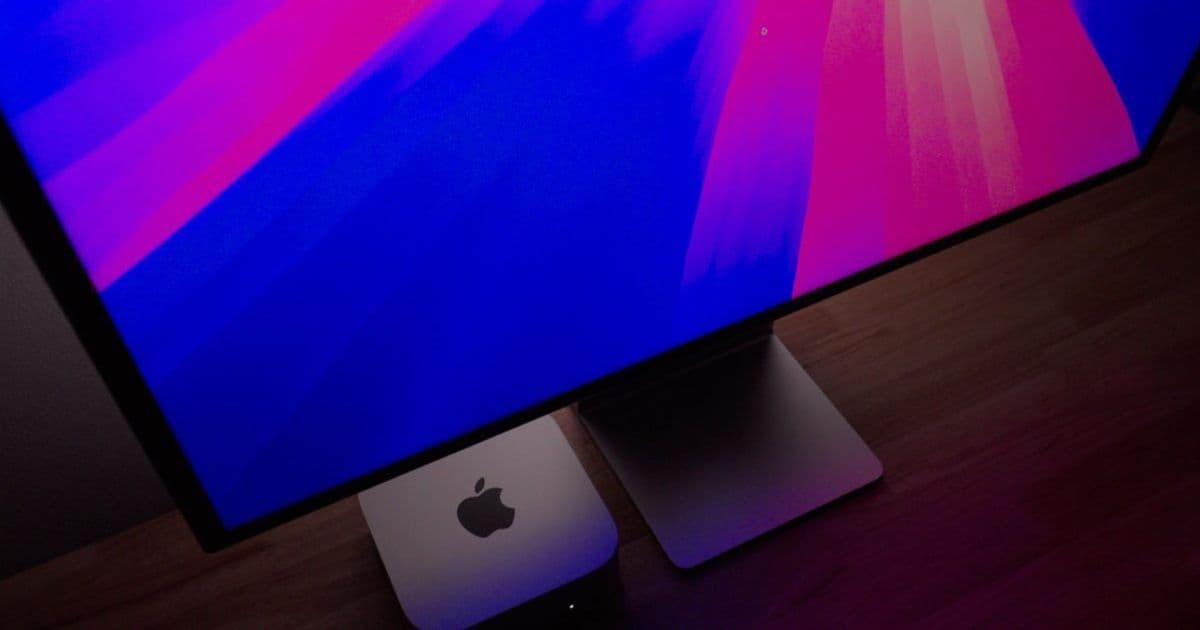
Apple's Studio Display refresh with A19 processor, 120Hz ProMotion, and HDR support requires developer attention to display pipeline optimizations and color management.
Apple's impending Studio Display refresh brings three significant technical upgrades that will impact developers working on macOS and cross-platform applications. Regulatory filings and supply chain indicators suggest the new model (expected Q1 2026) will feature:
A19 System-on-Chip: Apple's next-generation display processor enables improved image processing pipelines. Developers should review Apple's Display P3 color space documentation to optimize for potential new color management features. The neural engine enhancements may also enable new machine learning-powered display calibration workflows.
ProMotion 120Hz Refresh Rate: The variable refresh rate technology (reference implementation guide) requires developers to implement proper frame pacing in animation-heavy applications. Cross-platform frameworks like Flutter and React Native will need updates to support adaptive sync capabilities.
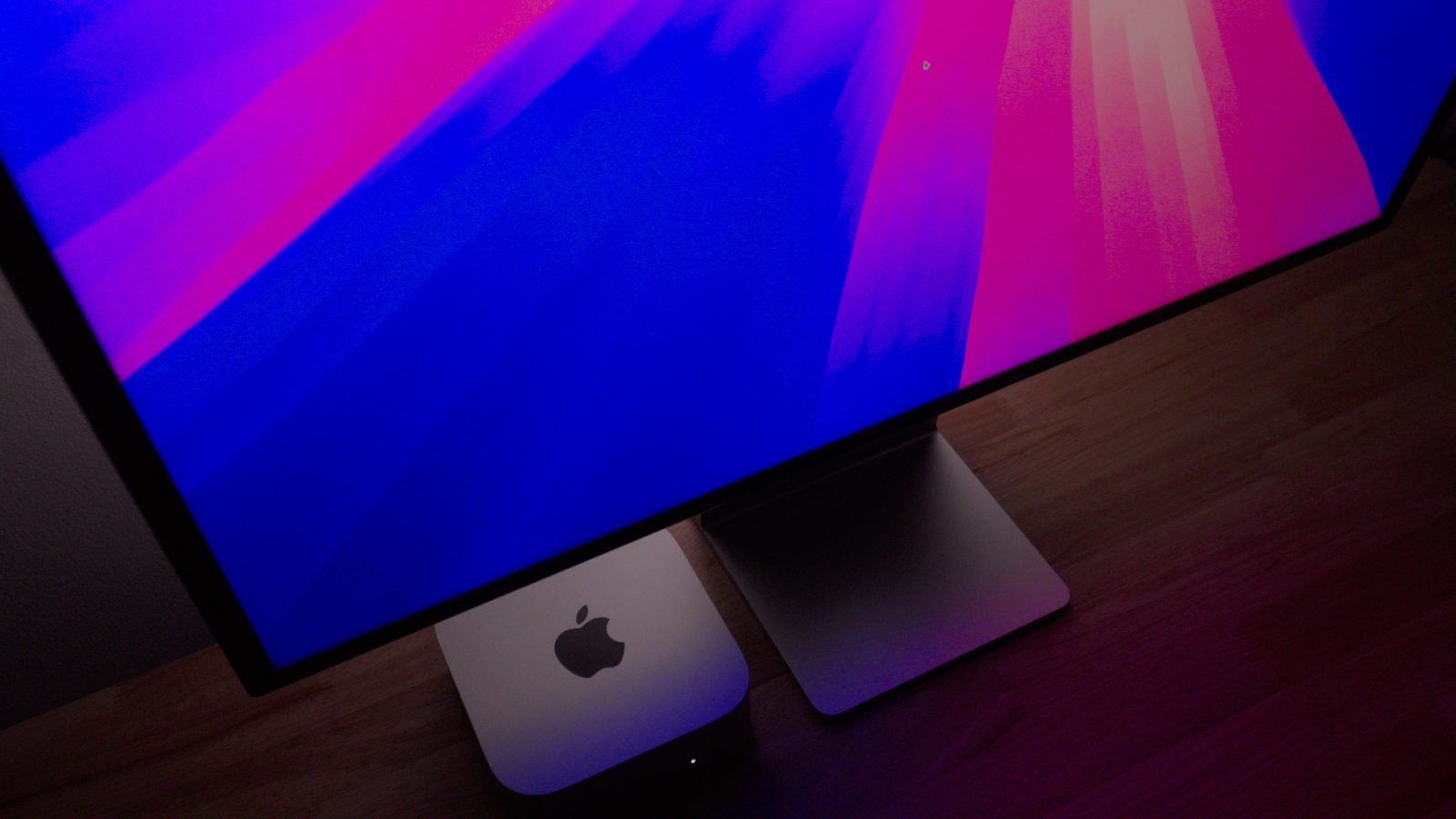
- HDR Support: With expected 1000+ nits peak brightness, developers must implement proper EDR workflows and consider new metadata requirements for HDR content creation tools. This impacts video playback implementations in Electron-based apps and web views.
Developer migration checklist
- Color Management: Test existing apps against new display profiles using Xcode 18's ColorSync Utility
- Frame Rate Optimization: Implement CVDisplayLink in Metal/Core Animation workflows (sample code)
- HDR Compliance: Update AVFoundation pipelines to handle PQ curve and HLG formats
- Accessibility: Verify Dynamic Type scaling works with new display density settings
Platform requirements will shift with macOS 15 Sequoia, requiring Xcode 18 and the macOS 15 SDK for full feature utilization. Cross-platform developers using frameworks like Qt or SDL should monitor updates for proper HDR and high refresh rate support.
The display's new A19 chip creates interesting possibilities for standalone Pro Apps workflows - imagine Xcode previews or Final Cut Pro rendering directly on the display's processor. Developers creating content creation tools should explore distributed computing opportunities through Thunderbolt 5's 120Gbps bandwidth.
Shipping estimates now point to late February availability, giving developers approximately 6 weeks to prepare. Those maintaining color-critical applications (photo/video editors, design tools) should budget for display calibration hardware updates to support the new HDR capabilities.
Comments
Please log in or register to join the discussion