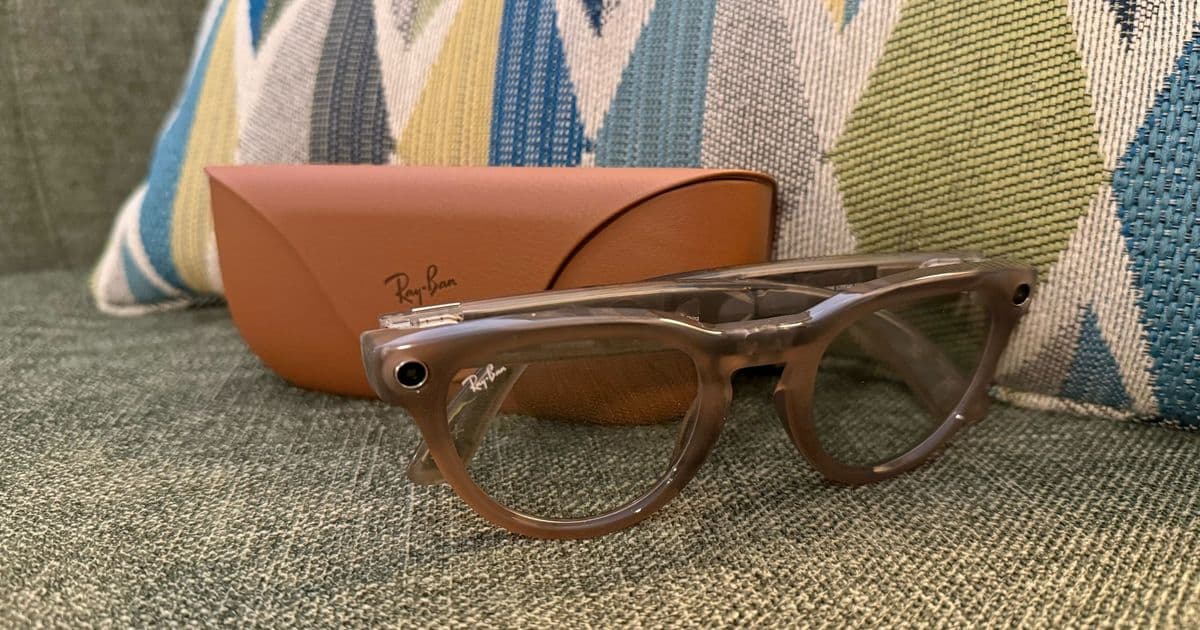
The US Air Force has prohibited personnel from wearing smart glasses with recording or AI capabilities while in uniform, citing military professionalism and operational security risks. The policy extends to Bluetooth devices like earphones, restricting their use to authorized official duties.
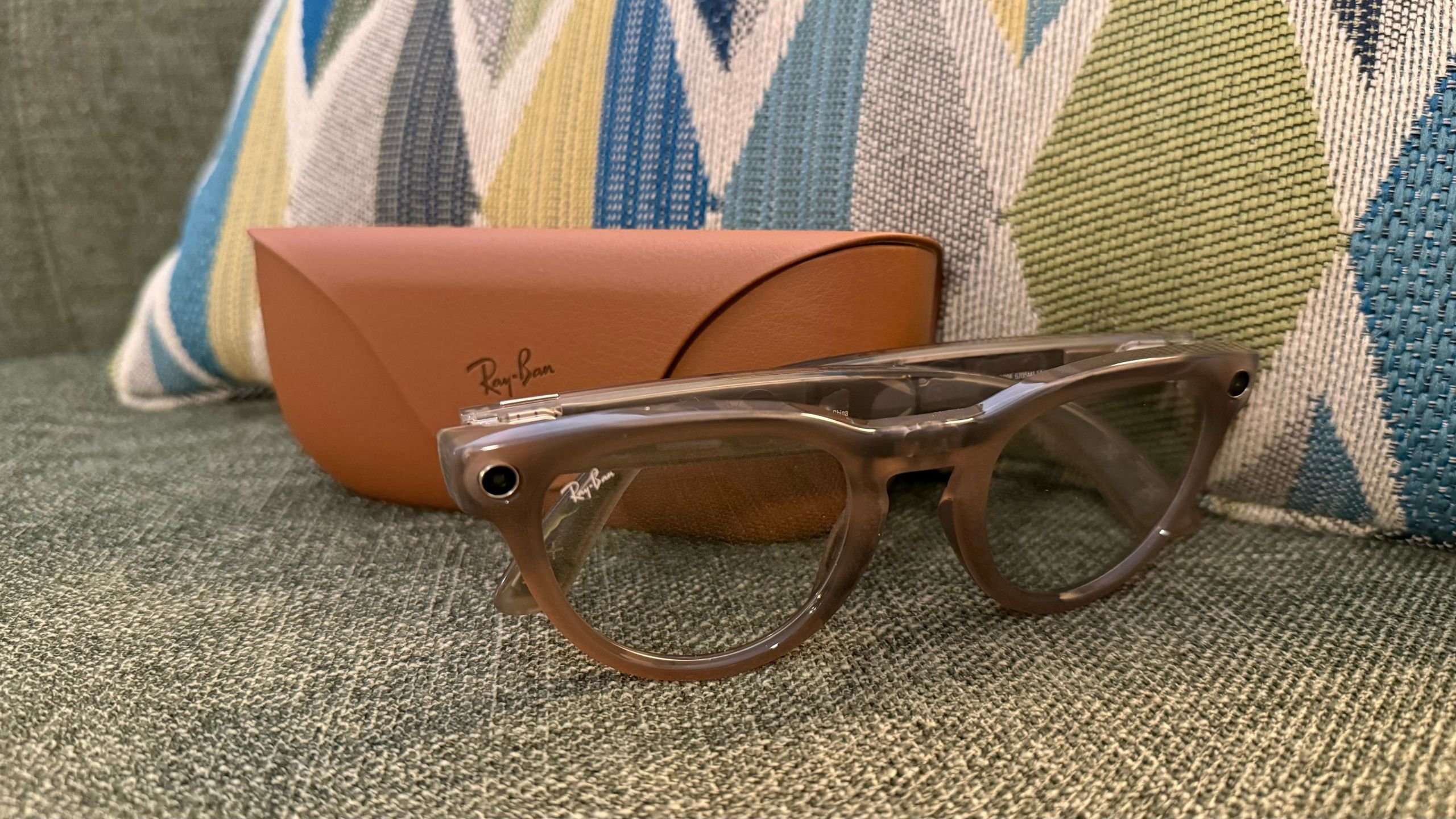
The United States Air Force has instituted a comprehensive ban on smart glasses for all uniformed personnel, citing operational security risks and military professionalism. According to Air Force Instruction 36-2903, the updated dress code policy explicitly prohibits "mirrored lenses or smart glasses with photo, video, or artificial intelligence capabilities" while in uniform. The ban extends to Bluetooth-enabled devices including earbuds, headphones, and personal media devices, restricting their use to officially authorized duties.
Technical Security Vulnerabilities
Smart glasses present unique security challenges due to their passive recording capabilities and cloud integration. Devices like the Ray-Ban Meta glasses 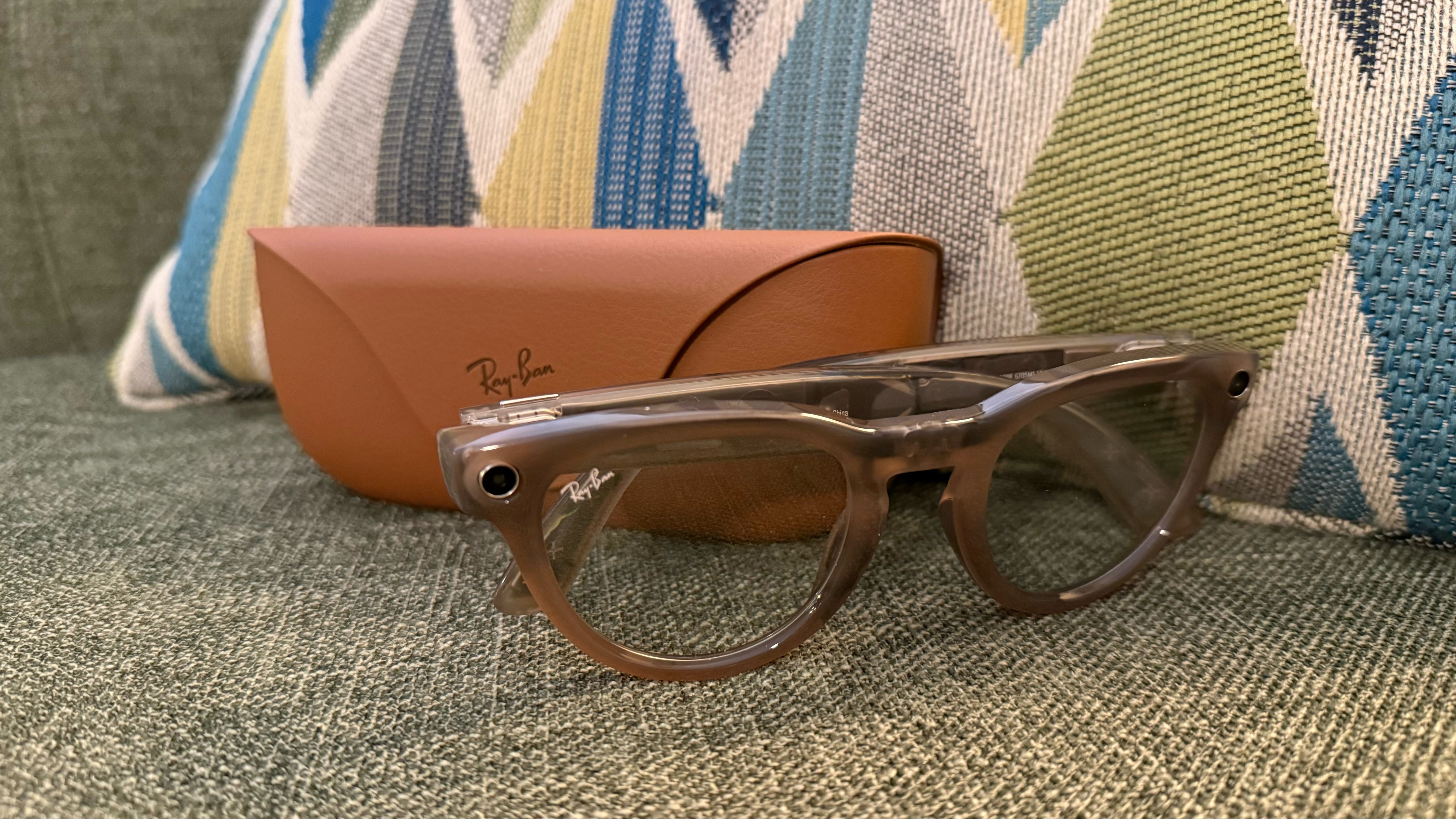 feature:
- Continuous photo/video capture at 12MP resolution
- AI-powered object recognition
- Ambient audio recording
- Automatic cloud synchronization
Though manufacturers include recording indicators (like LED lights), users have demonstrated methods to disable these safeguards. This creates scenarios where classified facilities, equipment, or conversations could be inadvertently recorded and exfiltrated via cloud services—without the wearer's active involvement.
Historical Precedent and Scale
This policy follows 2018 incidents where fitness trackers like Strava and Polar Flow exposed military base layouts through aggregated jogging data. With over 300,000 active-duty Air Force personnel:
- Even 1% adoption represents 3,000 potential recording devices
- Each device creates persistent attack vectors for cyber espionage
- Cloud-stored data creates permanent vulnerability windows
Market Implications
The ban signals growing military skepticism toward consumer IoT devices:
- Manufacturers must address enterprise-level security to access defense markets
- May accelerate development of MIL-SPEC wearables with hardware-level security
- Other military branches likely to evaluate similar restrictions
Limited exemptions exist for public transportation use and fitness activities, but the policy establishes clear boundaries between personal technology and military service. As wearable tech becomes more sophisticated and discreet, balancing functionality with operational security remains an ongoing challenge for defense organizations worldwide.
 Jowi Morales is a technology analyst specializing in hardware security and defense applications.
Comments
Please log in or register to join the discussion