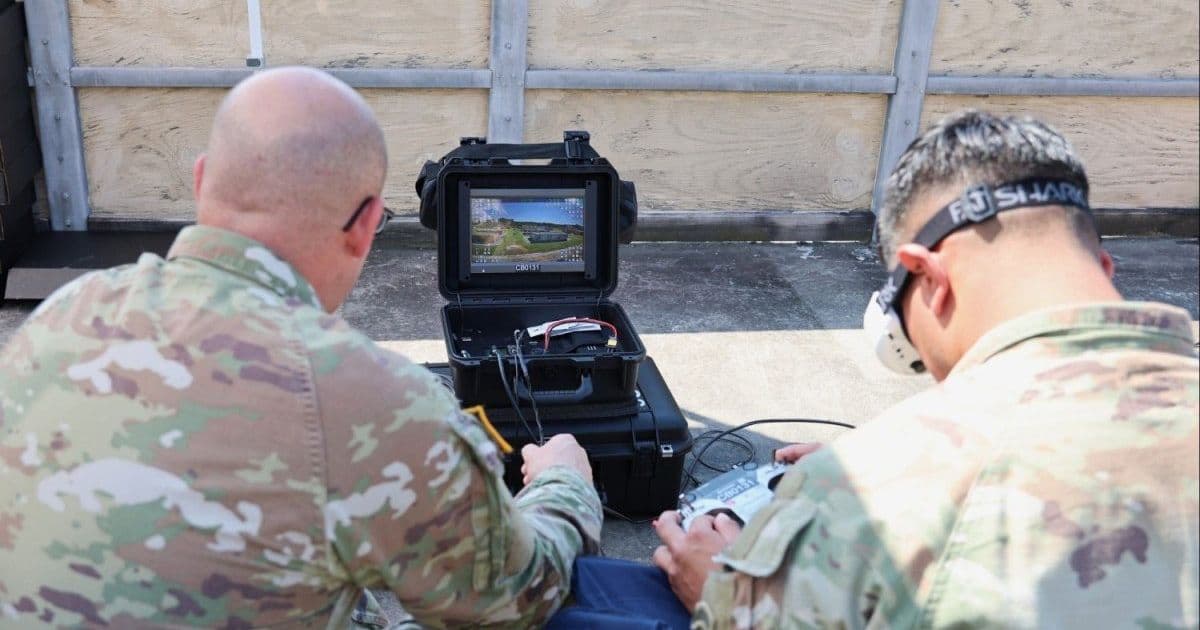
The US Army is rolling out a specialized course where soldiers learn to build and operate drones using 3D printing, combining additive manufacturing with unmanned systems for battlefield innovation. This initiative aims to enhance tactical flexibility and reduce supply chain dependencies in military operations. Experts highlight its potential to reshape defense logistics and inspire civilian tech advancements.
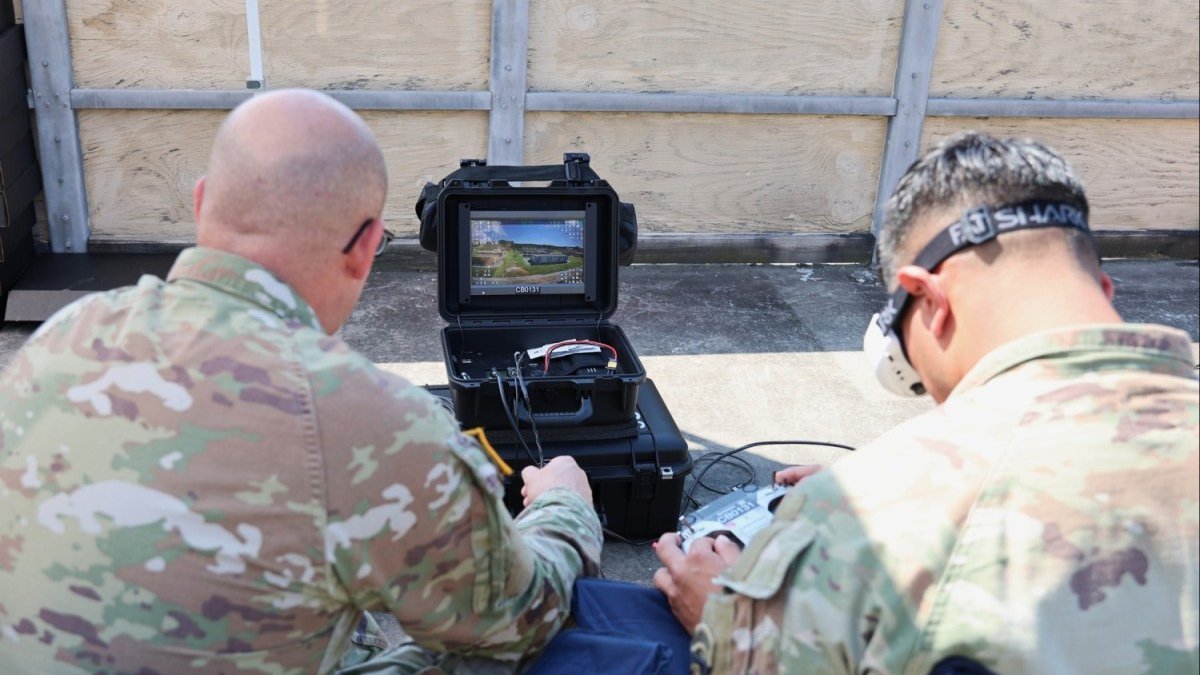
The US Army is accelerating its embrace of cutting-edge technology with the introduction of the Unmanned Advanced Lethality Course (UALC), a three-week training program at Fort Rucker, Alabama. Designed by the Army Aviation Center of Excellence (AVCOE), UALC teaches soldiers to 3D print, assemble, and pilot first-person view (FPV) drones—a strategic move that merges rapid prototyping with unmanned aerial systems to address modern combat challenges. As drone warfare evolves, this course represents a tangible shift toward decentralized, on-demand manufacturing, empowering soldiers to create custom tools in the field rather than relying solely on traditional supply chains.
Hands-On Training in Additive Manufacturing and Drone Operations
UALC's curriculum immerses soldiers in the full lifecycle of drone development. Participants start with 3D printer maintenance, gaining proficiency in both fused deposition modeling (FDM) and resin-based systems. They experiment with advanced materials like carbon fiber to produce lightweight, durable components. Crucially, soldiers learn to design and modify 3D models using CAD software, creating custom STL files for parts tailored to mission-specific needs. The Army plans to supplement this with a digital library of pre-approved designs, allowing units to print components on demand during deployments.
Drone operations form the second pillar of the course. Soldiers receive hands-on training in FPV flight protocols, including navigation, payload integration, and troubleshooting. But the real innovation lies in the integration: trainees don't just fly off-the-shelf drones—they build them from scratch using their 3D-printed parts. This end-to-end approach fosters a deeper understanding of both the engineering and operational aspects, turning soldiers into versatile tech operators.
Strategic Implications and Future Expansion
Currently limited to 28 students, UALC is poised for rapid scaling through Mobile Training Packages (MTPs), which will enable graduates to disseminate skills across the Army via condensed FPV workshops. This reflects a broader trend in military strategy: reducing logistical footprints by enabling in-theater production. Analysts note that 3D-printed drones could slash costs and lead times for replacement parts, while custom designs might support reconnaissance, delivery, or other tactical applications in contested environments. However, challenges remain, such as ensuring print quality in austere conditions and managing material supply chains.
Beyond immediate military use, this initiative signals a growing convergence of additive manufacturing and robotics—a synergy with implications for disaster response, infrastructure inspection, and even commercial drone services. As one defense expert observed, 'Teaching soldiers to be makers blurs the line between consumer tech and combat readiness, potentially accelerating innovation cycles in both domains.' The Army's bet is clear: in an era of asymmetric threats, the ability to rapidly iterate hardware could be as critical as firepower.
Source: Tom's Hardware, Original Report: 3D Printing Industry. URL: https://www.tomshardware.com/3d-printing/u-s-soldiers-learn-to-3d-print-and-fly-drones-in-new-army-course-3-week-boot-camp-covers-everything-from-printer-maintenance-to-fpv-operation
Comments
Please log in or register to join the discussion