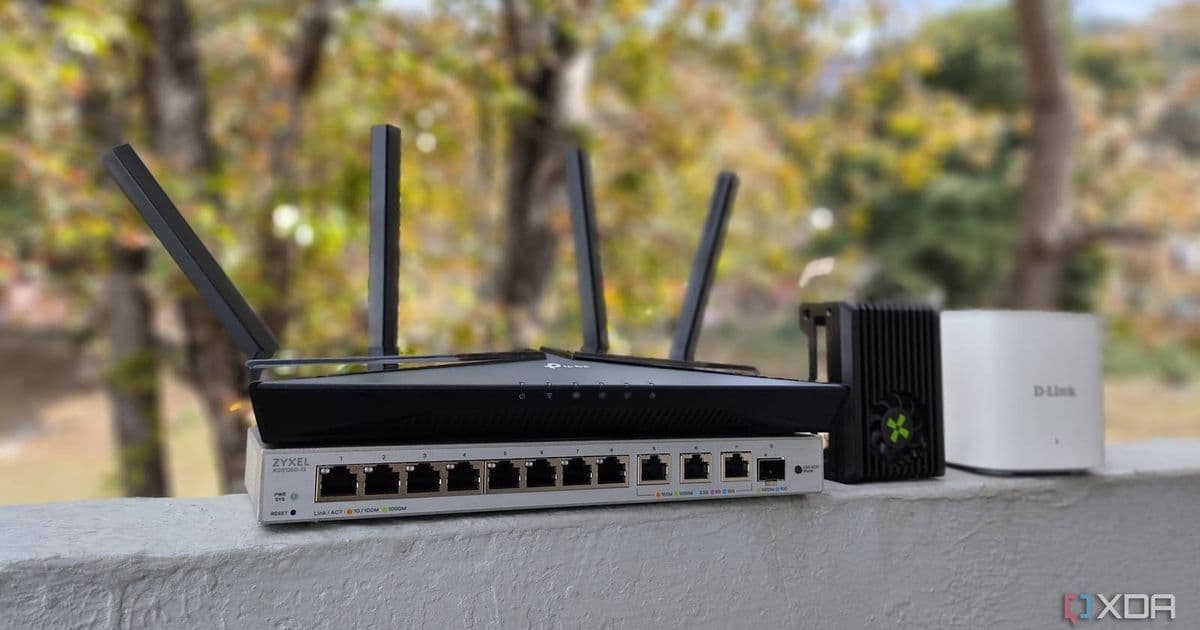
The US government has implemented a sweeping ban on all consumer routers manufactured outside the country, citing national security concerns. This unprecedented move affects millions of households and businesses, forcing a rapid transition to domestic hardware while raising questions about supply, pricing, and network security.
The US government has implemented a sweeping ban on all consumer routers manufactured outside the country, citing national security concerns. This unprecedented move affects millions of households and businesses, forcing a rapid transition to domestic hardware while raising questions about supply, pricing, and network security.
The Ban Explained
The Department of Commerce announced the ban on March 23, 2026, effective immediately for all new purchases. The regulation prohibits the import, sale, and distribution of consumer-grade routers produced by foreign manufacturers. This includes popular brands like TP-Link, Netgear (with overseas manufacturing), Linksys, ASUS, and D-Link.
Why Now?
Government officials cited multiple concerns:
- Security vulnerabilities: Allegations of backdoors and data collection in foreign-made devices
- Supply chain integrity: Desire for domestic manufacturing control
- Cybersecurity threats: Concerns about state-sponsored actors exploiting network infrastructure
The ban specifically targets routers used in homes and small businesses, while enterprise-grade equipment faces different regulations.
Impact on Consumers
Immediate Effects
Millions of existing routers remain unaffected, but:
- No new foreign routers can be purchased
- Repairs and replacements must use domestic hardware
- Online marketplaces must remove foreign router listings
- Retailers have 90 days to clear existing inventory
Price Implications
Domestic router manufacturers like Eero (Amazon), Google Nest WiFi (Google), and various US-based networking companies now face increased demand. Early indicators suggest:
- 20-40% price increases on equivalent hardware
- Extended wait times for popular models
- Limited feature sets compared to international competitors
Available Alternatives
Domestic Options
Several US companies offer compliant alternatives:
- Eero Pro 6E: Amazon's mesh system with Wi-Fi 6E support
- Google Nest WiFi Pro: Domestic assembly with US-based support
- Linksys Atlas Max 6E: Assembled in US facilities
- Netgear Nighthawk RAXE300: Domestic manufacturing variant
Open-Source Solutions
Tech-savvy users are exploring DIY options:
- OpenWrt-compatible hardware from domestic suppliers
- Custom firmware installations on remaining inventory
- Single-board computer setups using Raspberry Pi and similar devices
Business Impact
Small businesses face significant challenges:
- Infrastructure upgrades required for compliance
- Higher operational costs due to equipment pricing
- Supply chain disruptions affecting IT deployments
- Compatibility issues with existing network configurations
Technical Considerations
Performance Trade-offs
Early testing reveals some domestic routers lag behind their foreign counterparts:
- Slower processor speeds in budget models
- Limited advanced features like VPN server capabilities
- Reduced port density on some models
- Higher power consumption in certain designs
Security Analysis
Ironically, security experts note:
- No evidence of widespread vulnerabilities in banned devices
- Domestic hardware may have its own security concerns
- Reduced competition could slow security innovation
- Single-source vulnerabilities if domestic supply is compromised
Consumer Response
Social media and forums show mixed reactions:
- Frustration over limited choices and higher prices
- Support from those prioritizing domestic manufacturing
- Confusion about which devices are actually affected
- Concerns about long-term network reliability
What You Can Do Now
If you're affected by the ban:
- Check your router's origin - Look for "Made in USA" labels or manufacturer information
- Inventory existing hardware - Non-US routers remain legal for current use
- Research domestic alternatives - Compare features and pricing carefully
- Consider mesh systems - Often offer better coverage than single units
- Explore open-source options - For tech-savvy users seeking customization
Looking Ahead
The ban raises broader questions about technology policy:
- Will other countries retaliate with similar bans?
- How will this affect global technology standards?
- What's next - smartphones, laptops, or other consumer electronics?
The networking industry faces a period of significant transition, with consumers caught between security concerns, pricing pressures, and limited choices.
Resources
For more information:
Comments
Please log in or register to join the discussion