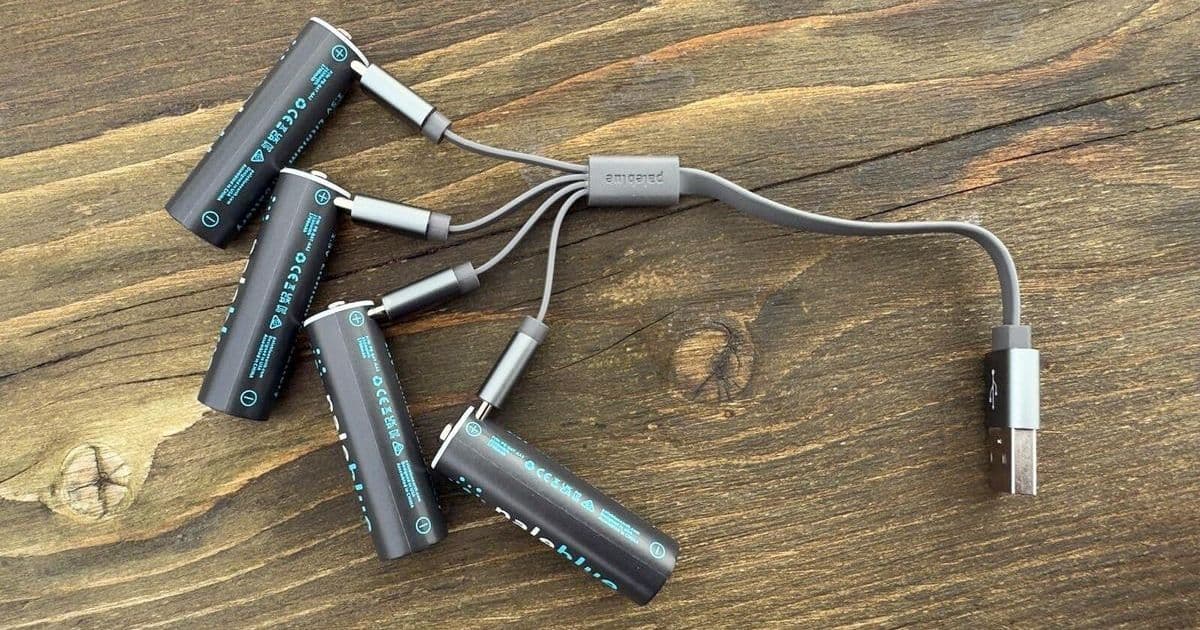
Paleblue's innovative USB-C lithium-ion batteries deliver high capacity and rapid charging across AA, AAA, C, D, and 9V form factors. By eliminating specialized chargers, these batteries offer ecological savings and unprecedented convenience for modern households. With 1,000-cycle lifespans and competitive pricing, they present a compelling alternative to disposable batteries.
As we approach 2026, the humble AA, AAA, and other standard battery formats remain stubbornly essential in our tech-filled lives. Yet the environmental toll of disposable batteries – with over 15 billion discarded globally annually – and the inconvenience of traditional rechargeable systems demand innovation. Enter USB-C rechargeable batteries, which may finally solve both problems simultaneously.
Paleblue's lithium-ion batteries represent a significant evolution from older nickel-metal hydride (NiMH) technology. Unlike conventional rechargeables requiring proprietary charging docks, these feature integrated USB-C ports – a design decision that eliminates the dreaded "charger clutter" while leveraging existing USB power sources. Senior ZDNET contributor Adrian Kingsley-Hughes confirms their real-world performance: "These are a perfect replacement for alkaline batteries in pretty much every situation."
Technical Advantages Over Legacy Solutions
- Universal Compatibility: Available in AA (2,550mAh), AAA, C, D, and 9V PP3 formats with identical dimensions to alkaline equivalents
- Rapid Charging: AA batteries recharge in ~2 hours versus up to 24 hours for NiMH alternatives
- Longevity: Rated for 1,000 cycles – potentially years of daily use before degradation
- Visual Indicators: Integrated LEDs display charging status
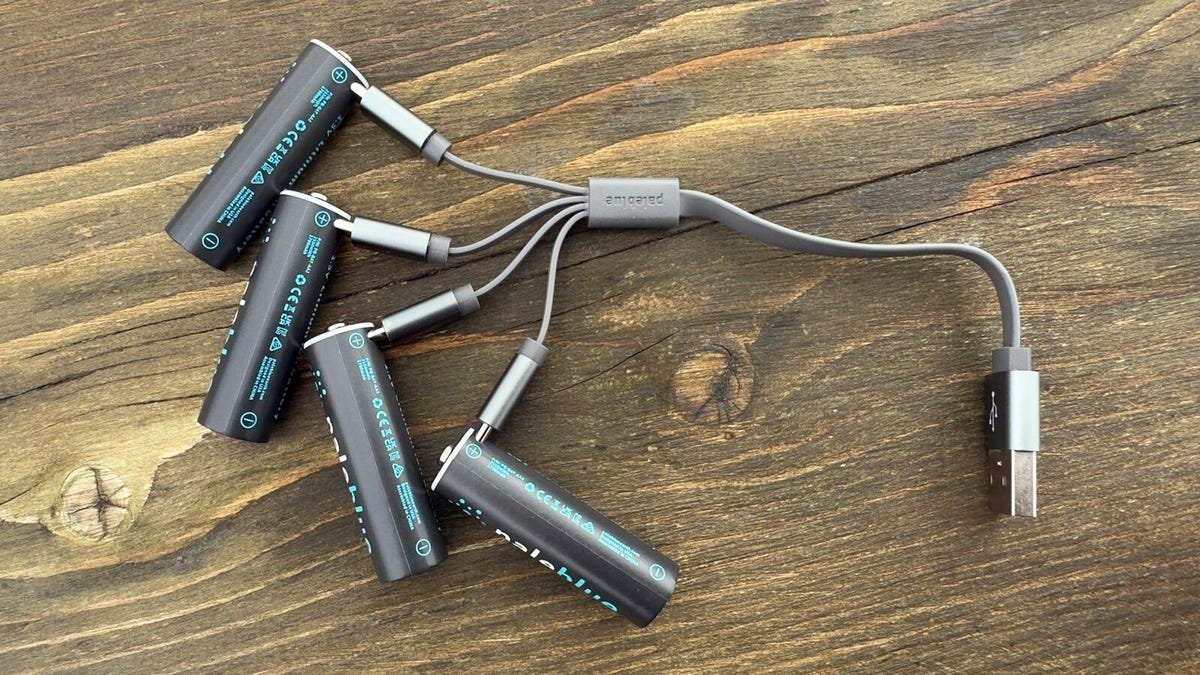
The bundled 4-way charging cable (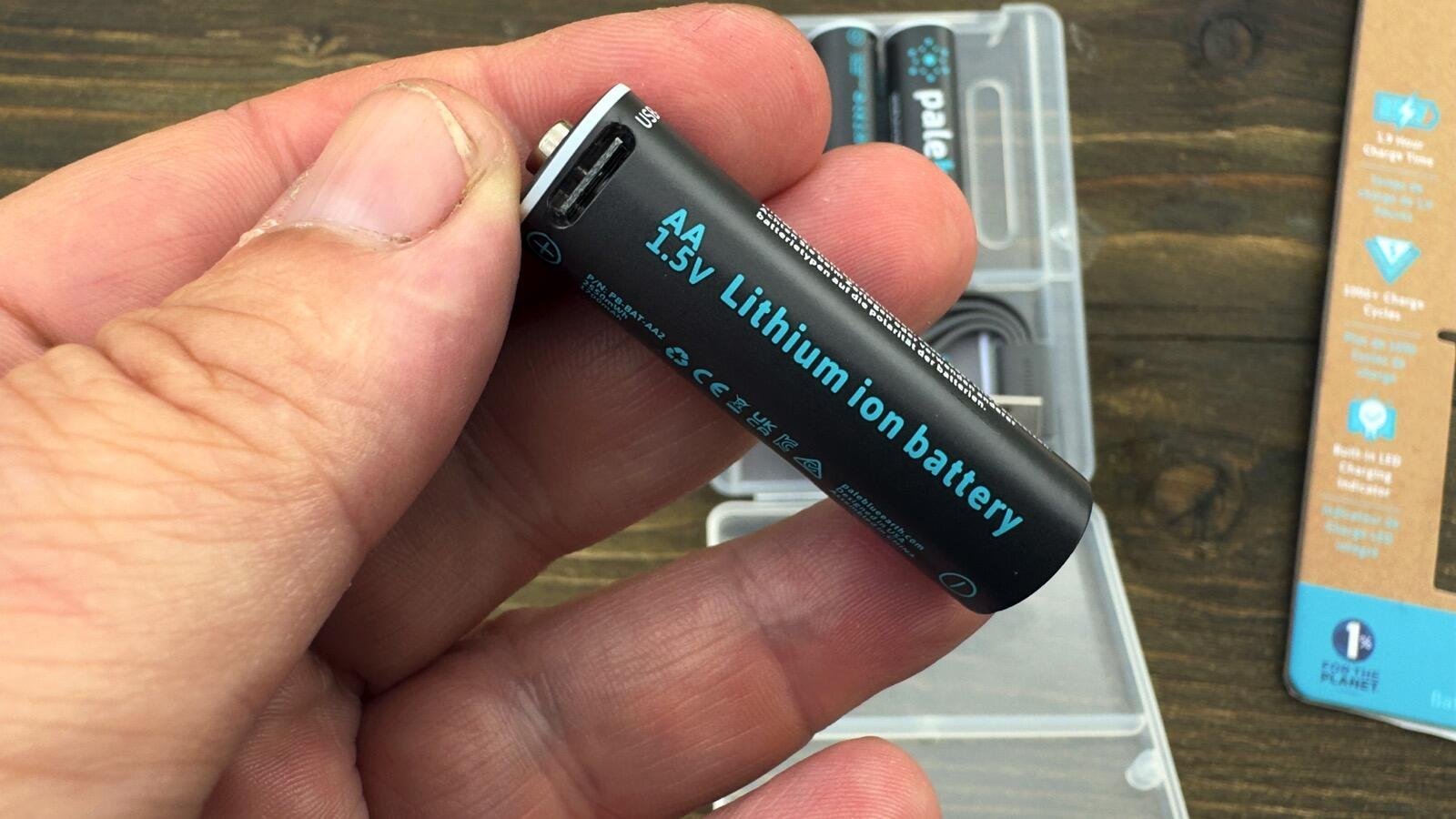 ) enables simultaneous charging of multiple batteries from a single USB-A port – though the absence of native USB-C on the cable itself feels slightly dated. Performance metrics impress, with Kingsley-Hughes noting the batteries deliver "excellent life in devices designed to run on disposables" while significantly outperforming alkaline options in high-drain devices.
The Sustainability Calculus
Beyond convenience lies an ecological imperative. With each recharge cycle, these batteries prevent hazardous waste. At roughly $30 for a 4-pack of AAs, the upfront cost is offset by approximately three years of regular use – a clear win over constantly purchasing disposables. For power users, bundles like the $200 "super pack" (12 AAs, 8 AAAs, 4 D-cells, 4 9V) offer comprehensive coverage.
As USB-C becomes the universal power standard, Paleblue's approach demonstrates how legacy formats can evolve. While niche applications may still require specialized batteries, for most households, USB-C rechargeables represent both an ecological responsibility and a practical upgrade – finally delivering on the promise of convenient, sustainable power.
Source: ZDNET testing by Adrian Kingsley-Hughes, September 2025
Comments
Please log in or register to join the discussion