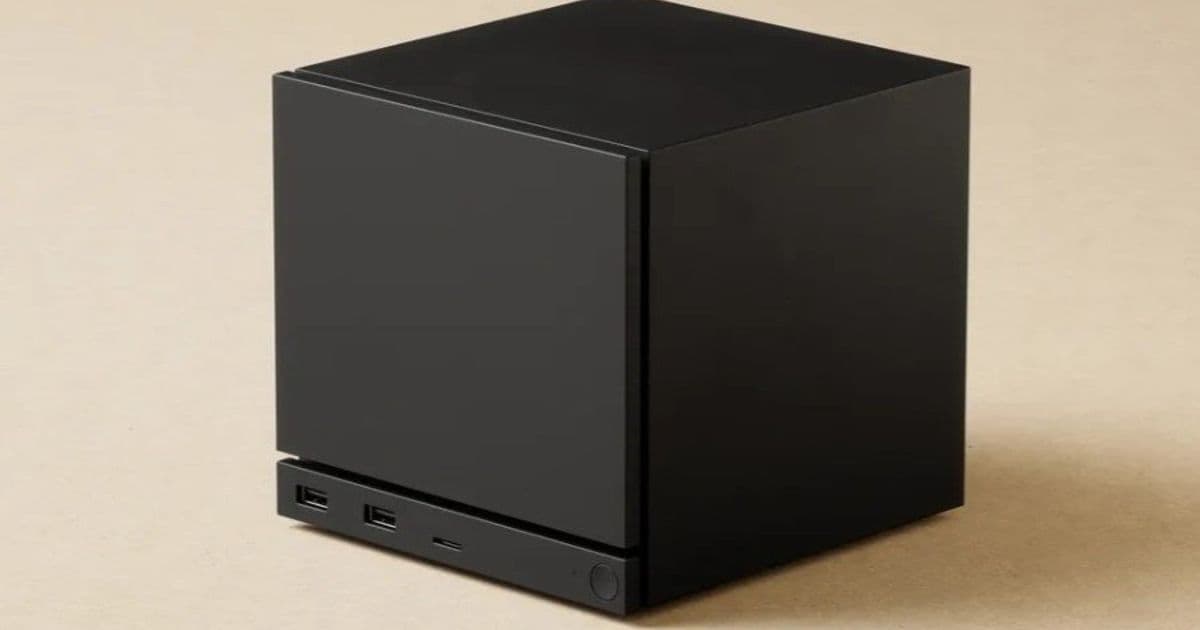
Valve confirms its Steam Machine, Steam Frame, and Steam Controller remain on schedule for first-half 2026 release despite worsening memory and storage shortages, though component costs may force price adjustments.
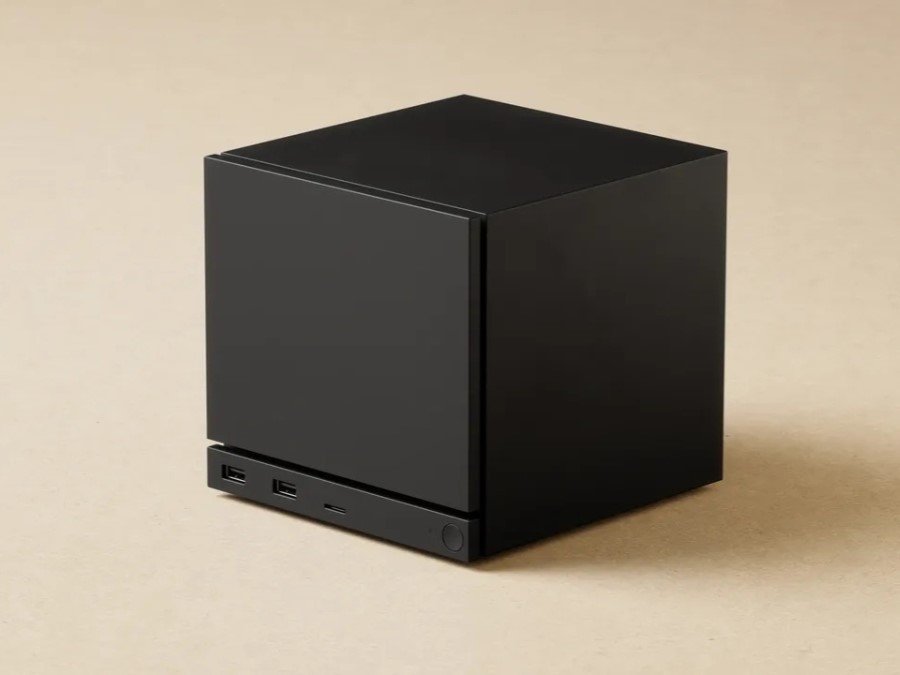
Valve has confirmed its upcoming gaming hardware lineup – including the Steam Machine, Steam Frame, and Steam Controller – remains on schedule for release in the first half of 2026 despite growing industry-wide component shortages. In a recent Steam Community update, the company acknowledged that ongoing memory and storage constraints have complicated final pricing decisions, potentially leading to higher-than-expected consumer costs.
The confirmation comes amid what AMD CEO Lisa Su recently characterized as an "unprecedented strain" on memory and storage supply chains, primarily driven by surging demand from AI infrastructure development. This industry-wide shortage has increased prices for DRAM, NAND flash, and other critical components by approximately 30-50% over the past year according to market analysts, affecting everything from graphics cards to consumer electronics.
Valve's statement revealed they originally planned to finalize pricing and shipping timelines by early 2026 but now face complications: "Limited availability and rising costs for key components have made it difficult to lock in exact pricing," the company stated. This market volatility creates a challenging balancing act – locking prices prematurely could either disadvantage consumers if costs decrease post-launch, or force Valve to absorb losses if component prices continue rising.
Technical comparisons reveal why these shortages impact Valve's hardware particularly acutely. The Steam Machine's modular architecture requires specialized memory configurations optimized for gaming workloads, while the Steam Frame's display-integrated design depends on specific storage controllers for rapid game loading. Unlike conventional PCs where users can substitute components, Valve's integrated approach requires precise part sourcing that's vulnerable to market fluctuations.
While Valve hasn't disclosed exact specifications for the upcoming devices, industry observers note that mid-range gaming systems comparable to the Steam Machine's expected configuration now cost 15-20% more to build than when Valve first announced the products in late 2025. This suggests potential price adjustments could be necessary unless market conditions improve.
The Steam Controller's unique trackpad-and-gyro input system appears less affected by component shortages, potentially positioning it as the most stable product in terms of pricing. Valve emphasized that all three devices remain solidly within their development timeline, with engineering teams actively qualifying alternative components to maintain production schedules.
For consumers, Valve's announcement signals two key points: First, the hardware ecosystem remains on schedule for H1 2026 availability, providing certainty for gamers planning living-room PC setups. Second, prospective buyers should anticipate potential price volatility and monitor Valve's updates for finalized costs. The company committed to sharing concrete pricing "as soon as plans are finalized," likely within the next quarter based on component market forecasts.
This situation illustrates how even established hardware developers face supply chain challenges in today's volatile tech landscape. Valve's transparency about potential price adjustments stands in contrast to competitors who've quietly increased costs or delayed products without explanation. For gaming enthusiasts who prioritize timing over budget certainty, the Steam hardware ecosystem appears to be holding course through turbulent industry conditions.
Comments
Please log in or register to join the discussion