GNOME 50 beta releases deliver stable Variable Refresh Rate support, enhanced frame scheduling, and improved GPU detection ahead of March stable launch.
The GNOME 50 beta releases for both GNOME Shell and Mutter have arrived, bringing significant improvements that will make the upcoming stable release in March particularly exciting for Linux desktop users. The beta releases focus on polishing the user experience with stable VRR support, enhanced frame scheduling, and improved hardware detection.
Stable VRR Support Arrives in Mutter 50 Beta
One of the most anticipated features in GNOME 50 is the stabilization of Variable Refresh Rate (VRR) support. Previously marked as experimental, VRR is now considered stable in Mutter 50 Beta, allowing users with compatible hardware to enable smooth, tear-free gaming and video playback without the overhead of traditional vsync.
VRR support works by synchronizing the display's refresh rate with the GPU's frame output, eliminating screen tearing and reducing input lag. This is particularly beneficial for gaming, where frame rates can fluctuate significantly. The stabilization of this feature means users can now rely on consistent VRR performance across different applications and use cases.
In addition to VRR, fractional scaling support has also been stabilized, giving users more flexibility in configuring their display setups, especially on high-DPI monitors where traditional scaling factors might not provide the optimal experience.
Enhanced Frame Scheduling for Smoother Performance
Mutter 50 Beta introduces several improvements to frame scheduling, which directly impacts the overall smoothness and responsiveness of the GNOME desktop. These enhancements include better synchronization between application rendering and display refresh cycles, reducing micro-stutters and improving the perception of fluidity during everyday tasks.
The improved frame scheduling works in conjunction with the stable VRR support to deliver a more consistent visual experience. Whether you're scrolling through web pages, moving windows, or playing games, the desktop should feel more responsive and fluid.
Improved Hardware Detection and Remote Desktop Features
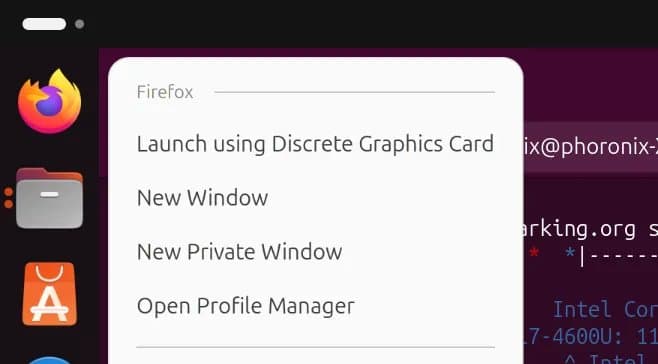
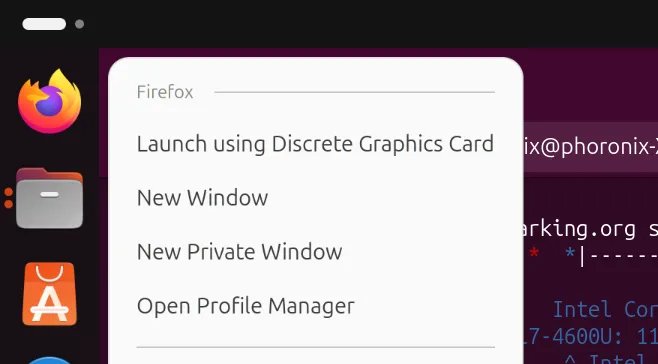
GNOME Shell 50 Beta brings enhanced discrete GPU detection, which is particularly useful for laptop users who switch between integrated and dedicated graphics. Better detection means more accurate power management and performance optimization based on the active GPU.
For remote desktop users, Mutter 50 Beta includes improvements to virtual monitor handling and HiDPI support, making screencasting for remote GNOME desktop sessions more reliable and visually consistent. This is especially important for users who rely on remote access for work or support scenarios.
Additional Improvements in GNOME 50 Beta
The beta releases also include several other noteworthy changes:
- Digital Wellbeing Extensions: Parents can now extend screen time limits for children, providing more flexibility in managing device usage
- Offline Update Support: GNOME Software now supports offline updates, allowing system updates even without an active internet connection
- Hardware Cursor Plane: The cursor can now move between devices more seamlessly, improving multi-monitor setups
- Window Management: Fixes for moving windows to smaller monitors enhance multi-display workflows
Looking Ahead to GNOME 50 Stable
With the beta releases now available, the GNOME development team is focusing on final bug fixes and optimizations before the stable release in March. The stabilization of VRR and fractional scaling represents a significant milestone for the GNOME desktop, bringing it closer to feature parity with other modern desktop environments while maintaining its signature simplicity and polish.
Users interested in testing these new features can obtain the GNOME 50 beta releases through their distribution's testing repositories or by building from source. However, beta releases are intended for testing purposes and may contain bugs that could affect daily use.
The combination of stable VRR, improved frame scheduling, and enhanced hardware detection makes GNOME 50 one of the most significant releases in recent years, particularly for users who value smooth, responsive desktop performance and modern display capabilities.
Comments
Please log in or register to join the discussion