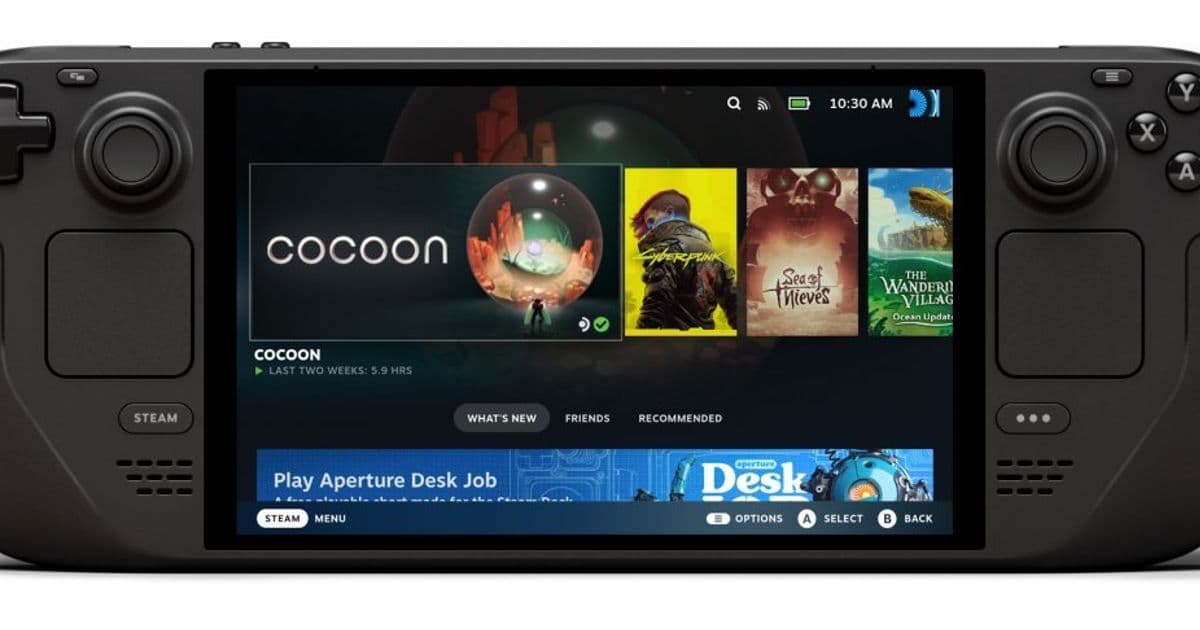
The Steam Deck OLED is experiencing intermittent stock shortages across regions as the global shortage of RAM and storage components continues to impact hardware manufacturers.
The Steam Deck OLED, Valve's popular handheld gaming PC, has become the latest victim of the ongoing global shortage of RAM and storage components. The company has confirmed that the device is experiencing intermittent stock shortages in some regions, marking a significant development in the ongoing component crisis that's affecting the entire tech industry.
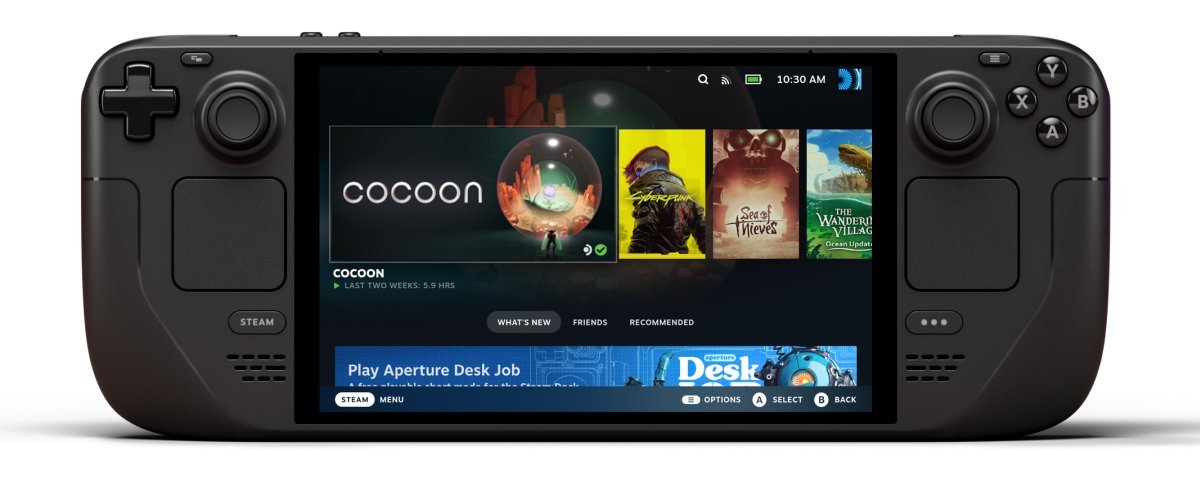
Since its launch in 2022, the Steam Deck has carved out a unique position in the handheld gaming market by offering a compelling combination of decent performance specifications and an accessible price point. The device quickly gained popularity among gamers looking for a portable PC gaming experience, particularly those invested in the Steam ecosystem.
The situation has become more complex in recent months. While Valve discontinued the original Steam Deck with an LCD display in December 2023, the company continued selling the upgraded Steam Deck OLED model, which starts at $549. However, this month saw the device go out of stock, prompting Valve to address the situation on their official website.
According to Valve's statement, "Steam Deck OLED may be out-of-stock intermittently in some regions due to memory and storage shortages." The company also noted that the Steam Deck LCD 256GB model has been discontinued entirely, with no plans for future production once current stock is depleted.
This development is part of a broader trend affecting the entire technology sector. The insatiable demand from artificial intelligence companies for memory and storage components has created a perfect storm of price increases and supply shortages. Companies across the industry are feeling the pressure, with some already implementing significant price increases.
Framework and Raspberry Pi have already announced price hikes in response to the component shortage, and industry analysts expect most other PC manufacturers to follow suit throughout the year. The impact is particularly severe for companies that produce hardware in smaller quantities, as they lack the negotiating power and economies of scale that larger manufacturers enjoy.
These smaller companies face a double challenge: they cannot negotiate lower prices with suppliers as effectively as their larger counterparts, and they don't have the sales volumes necessary to justify stockpiling components to lock in favorable pricing. This puts them in a particularly vulnerable position during supply chain disruptions.
Valve's situation with the Steam Deck OLED illustrates these broader market dynamics. The company's acknowledgment of the memory and storage shortage as the cause of the stock issues provides transparency about the challenges facing even well-established hardware manufacturers.
The language used in Valve's statement leaves some room for interpretation. While the Steam Deck OLED may be out of stock in some regions, particularly in the United States, the company hasn't explicitly stated that the device is unavailable globally. This suggests that availability may vary significantly by market, with some regions potentially maintaining stock while others experience shortages.
Interestingly, Valve has not announced any price increases for the Steam Deck OLED despite the component shortages. This could be interpreted as a positive sign for consumers, but it's also possible that the company is simply waiting to see how the situation develops before making any pricing decisions. The volatile nature of the component market means that prices could change rapidly.
The Steam Deck's popularity has made it something of a bellwether for the handheld gaming PC market. Its current stock situation may indicate broader challenges facing similar devices and could signal potential delays or price increases for competing products.
For consumers interested in purchasing a Steam Deck OLED, the current situation means they may need to be patient or check availability across different regions. The intermittent nature of the shortages suggests that stock may become available sporadically, though there's no clear timeline for when normal availability might resume.
The component shortage affecting the Steam Deck is part of a larger pattern that has been developing over the past few years. The tech industry has experienced multiple supply chain disruptions, from the initial COVID-19 pandemic impacts to the current AI-driven demand surge. Each wave of disruption seems to affect different segments of the market, with gaming hardware and consumer electronics often caught in the crossfire.
As the situation continues to evolve, consumers and industry watchers alike will be monitoring how companies like Valve navigate these challenges. The Steam Deck's success has demonstrated strong demand for handheld PC gaming devices, but maintaining that momentum will require careful management of supply chain issues and pricing strategies.
For now, the intermittent availability of the Steam Deck OLED serves as a reminder of the interconnected nature of the global technology supply chain and the ripple effects that component shortages can have across the entire industry. Whether Valve can maintain its competitive pricing and availability in the face of these challenges will be crucial for the continued success of the Steam Deck platform.
Comments
Please log in or register to join the discussion