A federal judge in Virginia has upheld Norfolk's use of automated license plate readers, finding they don't violate the Fourth Amendment despite privacy concerns over the city's network of ~200 cameras.
A federal judge in Virginia has ruled that Norfolk's extensive use of automated license plate readers (ALPRs) is constitutional and does not violate the Fourth Amendment, dealing a blow to privacy advocates who challenged the city's surveillance program.
The ruling, issued by U.S. District Judge Arenda Wright Allen, found that the city's network of approximately 200 ALPRs does not constitute an unreasonable search under the Fourth Amendment. The decision comes after a legal challenge from the ACLU of Virginia and local residents who argued that the mass collection of license plate data amounted to warrantless surveillance.
Judge Allen's opinion emphasized that drivers have no reasonable expectation of privacy in their license plate numbers, which are publicly visible on public roads. The court noted that the technology simply automates what law enforcement officers could manually do by writing down plate numbers.
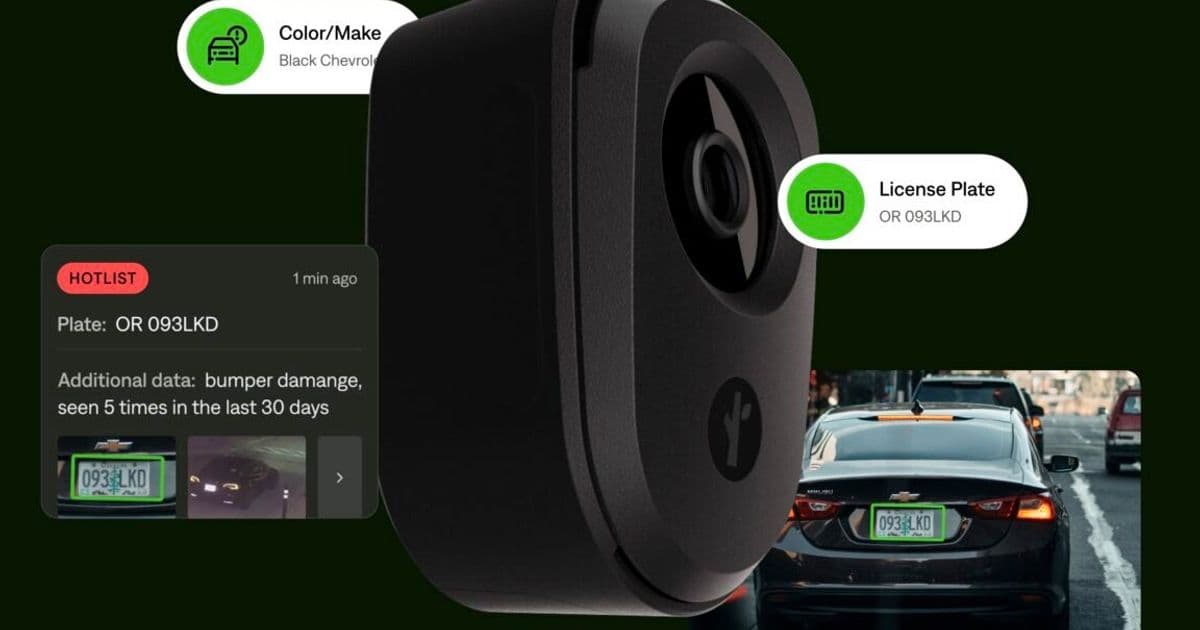
Norfolk has deployed one of the most extensive ALPR networks in the country, with cameras mounted on police vehicles, fixed locations throughout the city, and at major entry points. The system captures images of every passing vehicle, logs the time and location, and checks the plate against various databases for stolen vehicles, outstanding warrants, and other law enforcement concerns.
Privacy advocates argue the technology enables persistent tracking of individuals' movements without suspicion of criminal activity. The ACLU pointed out that the data collected could reveal sensitive information about people's daily routines, medical visits, religious practices, and political activities.
The ruling aligns with similar decisions in other jurisdictions where courts have generally found that license plate numbers, being publicly displayed, fall outside Fourth Amendment protections. However, some states have enacted laws limiting ALPR use due to privacy concerns.
Norfolk officials welcomed the decision, stating the technology has helped solve crimes and locate missing persons. Police report that the system has assisted in recovering stolen vehicles and identifying suspects in various investigations.
The case highlights the ongoing tension between law enforcement's use of surveillance technology and privacy rights in the digital age. As cities across the country expand their use of automated monitoring systems, courts continue to grapple with how existing constitutional protections apply to new technologies.
The ACLU has indicated it may appeal the decision, arguing that the cumulative effect of mass data collection creates privacy concerns that individual plate checks do not address. The organization maintains that the aggregation of location data over time creates detailed movement profiles that deserve constitutional protection.
This ruling could influence similar cases nationwide as more municipalities adopt ALPR technology for traffic enforcement and crime prevention. The decision effectively greenlights Norfolk's continued use of the system while potentially setting precedent for other jurisdictions facing similar legal challenges.
For now, Norfolk's ALPR network will continue operating as one of the most comprehensive automated surveillance systems in Virginia, capturing millions of license plate images annually as part of the city's public safety infrastructure.
Comments
Please log in or register to join the discussion