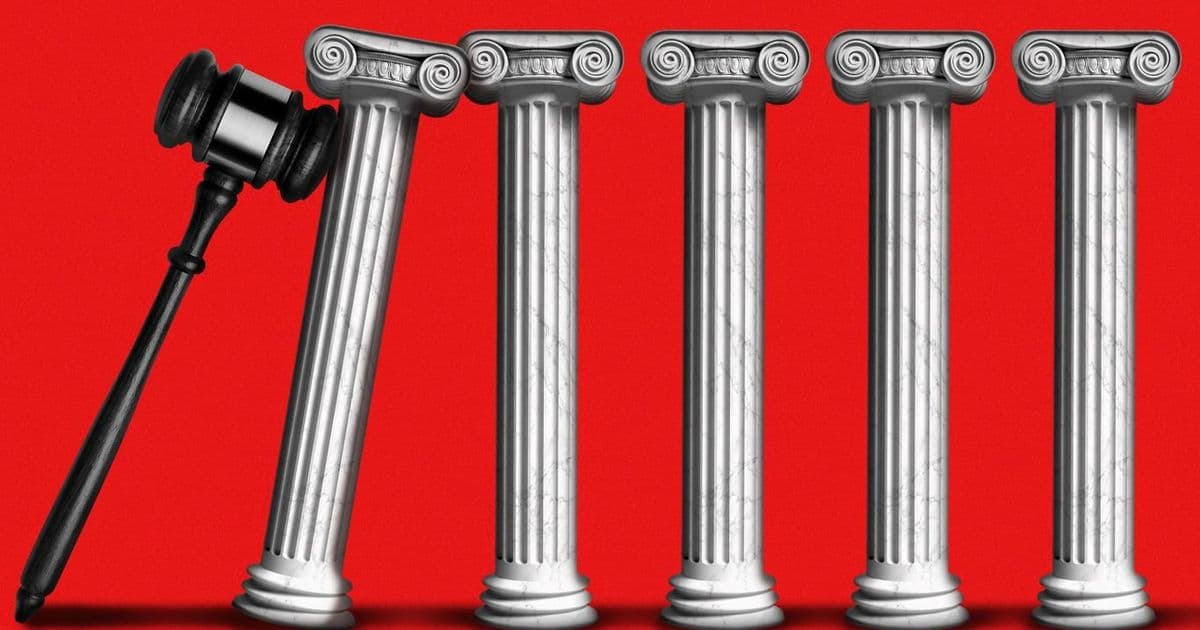
The Virginia Supreme Court has invalidated the results of a redistricting referendum, creating significant uncertainty for the state's congressional map and potentially altering the political landscape ahead of the 2026 elections.
The Virginia Supreme Court delivered a decisive blow to the state's redistricting process on Tuesday, unanimously throwing out the results of a referendum that sought to redraw Virginia's congressional map. The ruling, which has immediate legal effect, returns the state to its previous congressional boundaries and creates a complex political puzzle for lawmakers to solve before the 2026 election cycle.
The court's decision stems from procedural irregularities identified during the referendum process, with justices citing "fundamental flaws" in how the redistricting question was presented to voters. Chief Justice Donald W. Lemons wrote in the majority opinion that "the referendum failed to meet constitutional requirements for clarity and specificity, leaving voters without adequate understanding of the potential consequences of their vote."
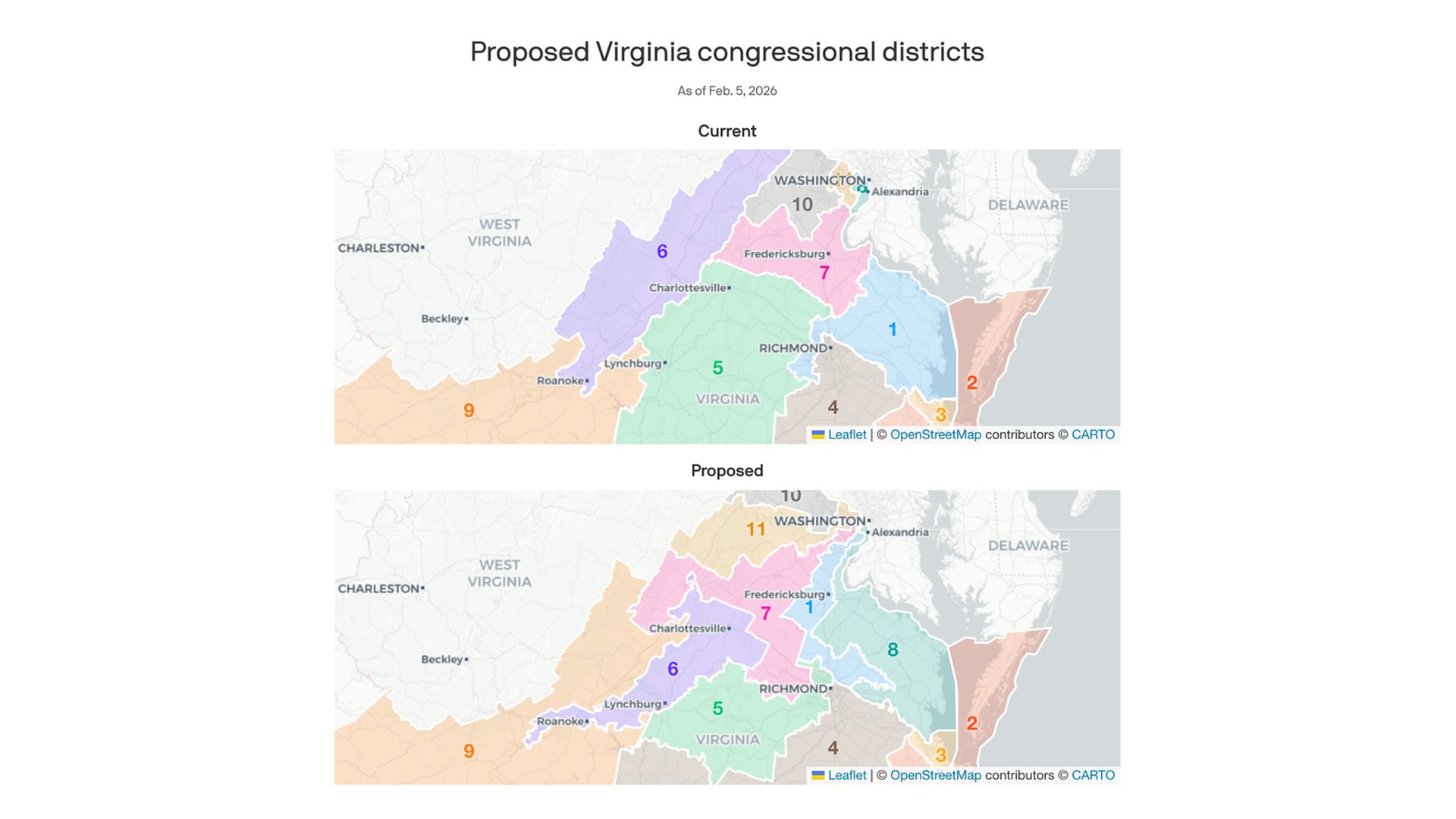
This ruling directly overturns the April 21, 2026 referendum where Virginia voters had approved an effort to redraw congressional maps by a narrow margin of 51.2% to 48.8%. The referendum, championed by both Democratic and Republican reformers, aimed to address partisan gerrymandering that had characterized Virginia's redistricting process for decades.
Political analysts now project that the invalidated referendum will have significant implications for Virginia's congressional delegation, which currently consists of 6 Democrats and 5 Republicans. The previous map, drawn by the Republican-controlled legislature in 2021, was widely criticized for creating several safely Republican districts while packing Democratic voters into a few urban districts.
"This creates a power vacuum that both parties will rush to fill," said Dr. Marcus Thompson, a political science professor at the University of Virginia. "The court has essentially reset the chessboard, and we can expect intense negotiations between the parties, with the Democratic-controlled Senate and Republican-controlled House likely at an impasse."
The ruling also affects Northern Virginia, where there had been a separate push to return part of the region to Washington D.C.'s congressional representation. That effort, which gained traction on April 24, 2026, now faces additional hurdles following the Supreme Court's decision.
From a legal perspective, the ruling establishes a significant precedent for how referendum questions must be structured in Virginia. The court specifically required that future redistricting initiatives include detailed maps and clear explanations of how the changes would affect specific communities and districts.
The practical implications extend beyond the immediate political impact. Virginia's 2026 congressional candidates now face uncertainty about which districts they will run in, potentially delaying campaign planning and fundraising efforts. The state's Board of Elections has indicated it will need at least 60 days to revert to the previous congressional boundaries, though some legal experts suggest the process could take longer.
"The timing is problematic, but not catastrophic," said Sarah Jenkins, a Democratic strategist with experience in Virginia politics. "Campaigns will adapt, and we may see candidates file in multiple districts initially. The real challenge is for the legislature to come up with a new map that can pass both chambers and withstand potential legal challenges."
The invalidated referendum had been supported by a diverse coalition including voting rights organizations, good government groups, and several former governors from both parties. Supporters argued that the previous maps diluted the voting power of African American communities and created uncompetitive districts that discouraged voter engagement.
Opponents of the referendum, including the Virginia Republican Party, had argued that the question presented to voters was misleading and failed to adequately explain how the new districts would be drawn. They celebrated the Supreme Court's decision as a victory for procedural integrity.

As Virginia navigates this political uncertainty, other states are watching closely. Virginia had been seen as a potential model for redistricting reform, with the referendum representing one of the most significant attempts to take redistricting power away from state legislatures and give it to independent commissions.
The ruling also comes at a time when redistricting is under intense national scrutiny. The U.S. Supreme Court is currently considering several cases related to partisan gerrymandering, and decisions in those cases could further influence how states approach redistricting in the future.
For now, Virginia's political leaders face the immediate challenge of crafting a new congressional map that can withstand legal scrutiny and gain bipartisan support. The clock is ticking, as the state must have final districts in place before candidate filing deadlines for the 2026 elections.
Comments
Please log in or register to join the discussion