
Microsoft open-sources Wassette, a WebAssembly-powered toolkit enabling developers to build secure, portable AI agents within GitHub Copilot. This framework transforms how developers create and deploy AI assistants by leveraging WebAssembly's sandboxed environment for complex reasoning and tool execution.
The AI agent landscape just gained a powerful new contender. Microsoft has open-sourced Wassette, a WebAssembly (Wasm)-based framework that allows developers to build, test, and deploy AI agents directly within GitHub Copilot. This strategic move addresses two critical challenges in agent development: security isolation and cross-platform execution.
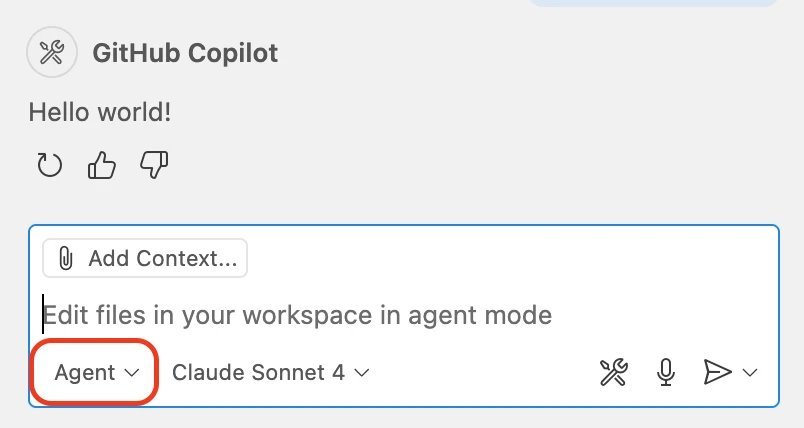
Caption: Enabling Wassette via GitHub Copilot's Agent Mode toggle in VS Code (Source: Microsoft Open Source Blog)
Traditional AI agents often struggle with security vulnerabilities and environment dependencies when interacting with external tools and data. Wassette solves this by leveraging WebAssembly's sandboxed runtime, creating isolated execution environments for agent operations. This enables:
- Secure tool invocation: Agents safely call APIs, databases, and CLI tools without compromising host systems
- Portable agent modules: Write once, run anywhere capabilities across operating systems and architectures
- Multi-step reasoning: Complex task decomposition with built-in error handling
"Wassette fundamentally changes how we approach agent development," explains Sarah Gibson, Principal PM Manager at Microsoft. "By containerizing agent logic into WebAssembly modules, we maintain the security guarantees required for enterprise workloads while enabling unprecedented flexibility."
Integration Made Simple
Getting started with Wassette requires minimal setup:
- Activate Agent Mode in GitHub Copilot using
Ctrl+Shift+I(Windows/Linux) orCmd+Shift+I(Mac) - Verify Wassette appears in Copilot's tools list
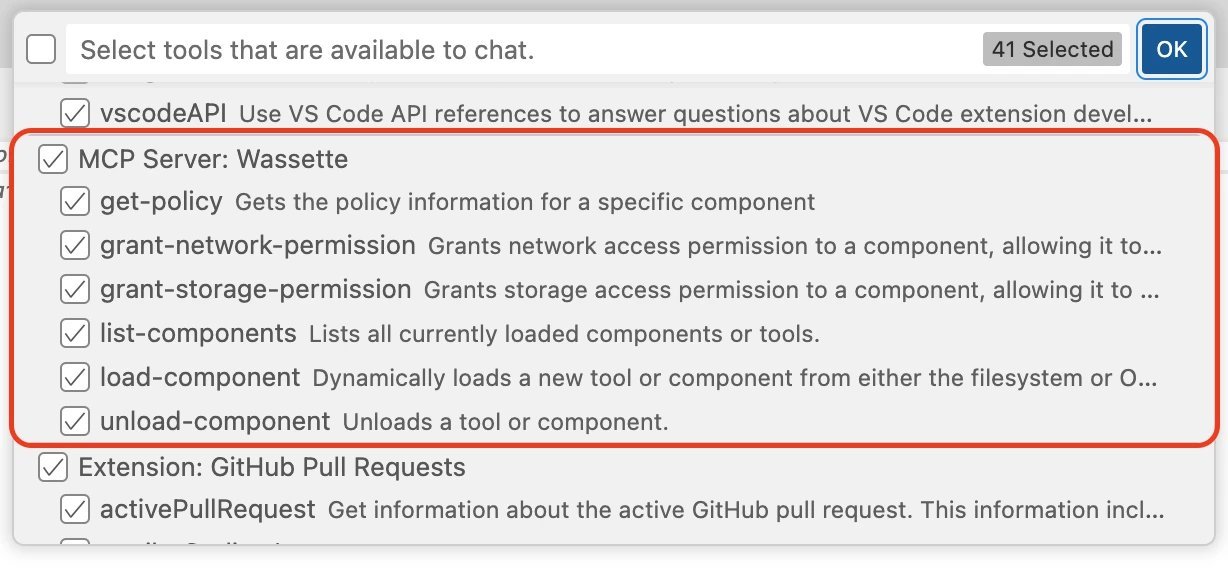
Caption: Wassette appearing in GitHub Copilot's tools interface after activation (Source: Microsoft Open Source Blog)
- Initiate agent workflows through natural language prompts (e.g., "Refactor this Python module with test coverage")
If Wassette doesn't appear initially, developers can refresh Copilot's tools using the reload icon in the chat window's bottom-right corner.
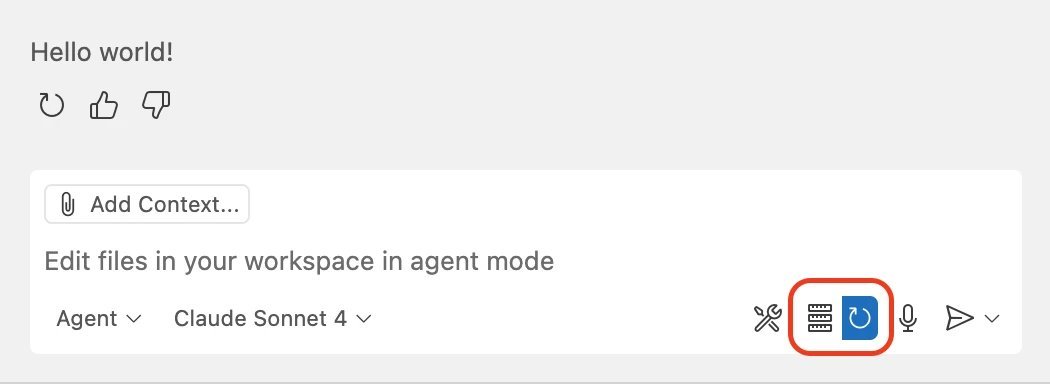
Caption: Reloading GitHub Copilot's tools to activate Wassette (Source: Microsoft Open Source Blog)
Why This Matters for Developers
Wassette represents a paradigm shift in three key areas:
- Security First: WebAssembly's capability-based security model prevents agents from accessing unauthorized resources, crucial for enterprise adoption
- Language Flexibility: Develop agents in Rust, Go, or any language compiling to Wasm, not just Python
- Real-World Utility: Agents can now execute complex workflows like CI/CD orchestration, database migration, or production debugging
Microsoft's decision to open-source Wassette signals a commitment to interoperable agent ecosystems. As AI assistants evolve beyond simple chatbots into actionable productivity tools, frameworks like Wassette provide the missing link between natural language understanding and secure, deterministic execution. Early adopters are already experimenting with use cases ranging from cloud infrastructure provisioning to automated code remediation—all triggered through natural language prompts in their existing Copilot workflow.
The true power emerges when considering Wassette's potential for custom agent development. Imagine creating specialized agents for your team's unique stack: a Kubernetes troubleshooting agent, a compliance validator, or a legacy code migration assistant—all running in secure Wasm sandboxes. This positions Wassette not just as a tool, but as a foundational layer for the next generation of AI-augmented development environments.
Comments
Please log in or register to join the discussion