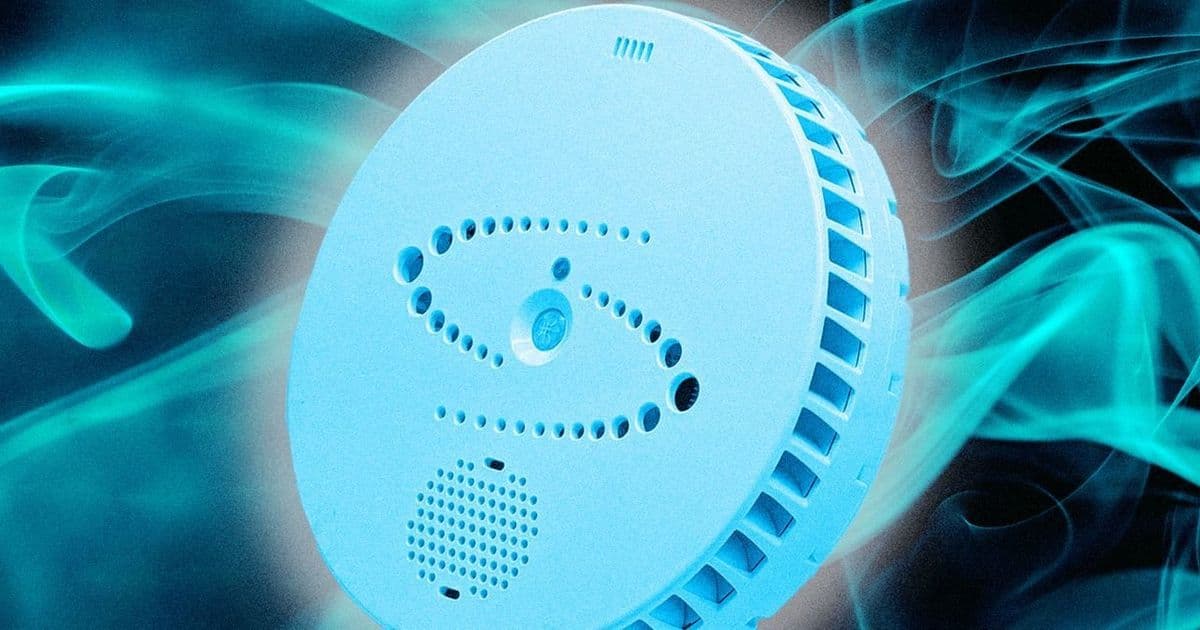
Security researchers, including a teenage hacker, discovered critical vulnerabilities in Motorola's Halo 3C 'smart' vape detectors used in schools and public housing. The flaws allow attackers to hijack the devices for real-time audio eavesdropping, fake alerts, and disabling safety features, raising alarming surveillance concerns.
Two years ago, 16-year-old Reynaldo Vasquez-Garcia spotted mysterious "IPVideo Corporation" devices on his high school's Wi-Fi network during exploratory sessions. What he uncovered—a Motorola subsidiary's Halo 3C "smart" smoke and vape detector—became the subject of a chilling security investigation. Today, Vasquez-Garcia and collaborator "Nyx" reveal at Defcon how these ubiquitous sensors can be weaponized into surveillance tools.
The 'Snitch Puck' Exposed
Dissecting a Halo 3C purchased on eBay, the researchers found a Raspberry Pi-based device loaded with environmental sensors—and two hidden microphones. Marketing materials tout its ability to detect THC vaping, "aggression," gunshots, and keywords like "help." Nyx notes: "Seeing microphones in a device installed in bathrooms and bedrooms is a huge red flag."
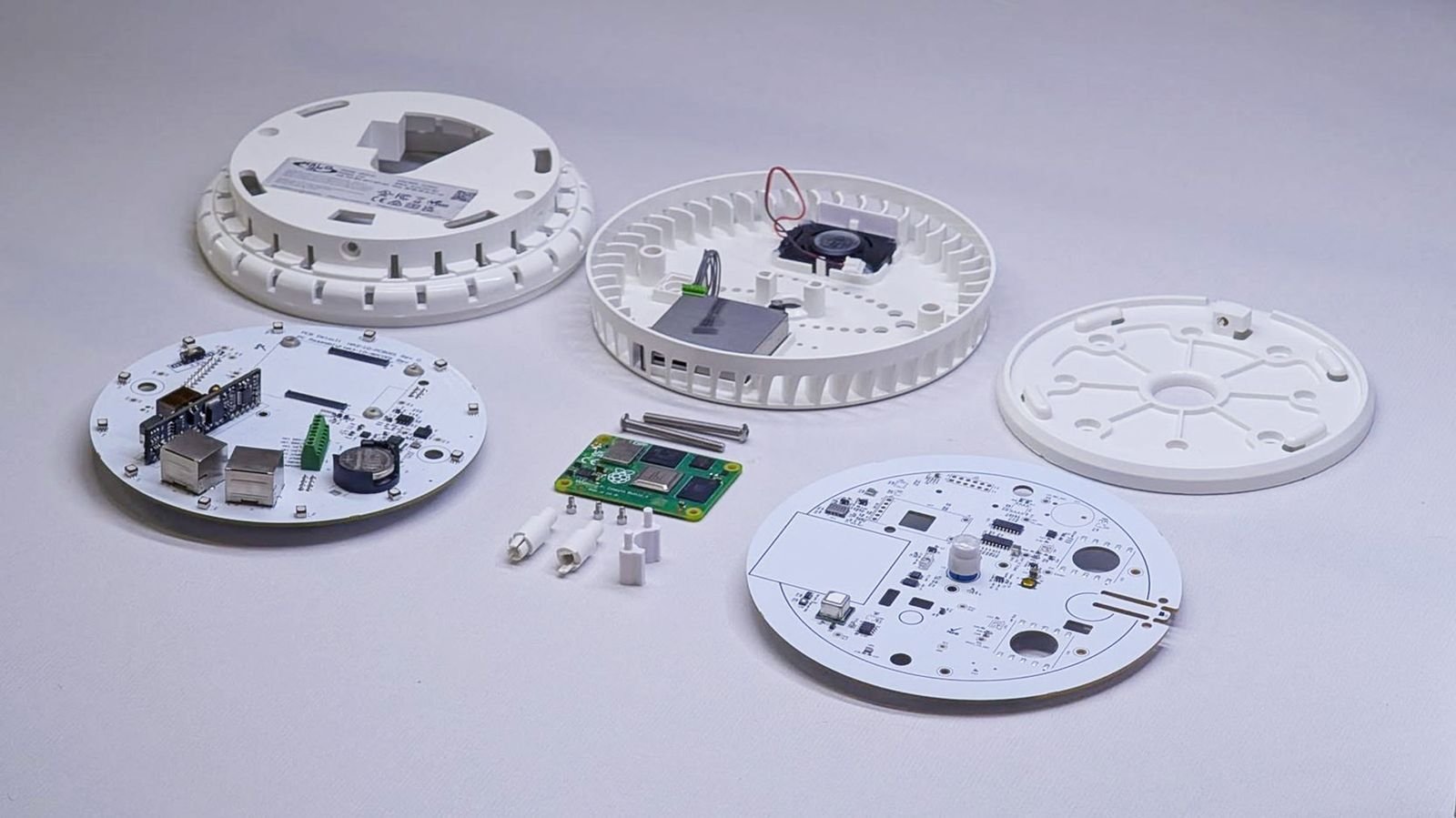 Caption: Inside the Halo 3C—a Raspberry Pi computer with environmental sensors and microphones. (Courtesy: Vasquez-Garcia & Nyx)
Critical Security Failures
The duo discovered three critical flaws enabling total device takeover:
- Weak Authentication: Attackers on the same network (like a student) could brute-force the admin password at ~3,000 attempts/minute due to broken throttling.
# Example of flawed rate-limiting bypass while not authenticated: try_password = generate_guess() response = send_login(try_password) # No meaningful delay between attempts - Firmware Hijacking: The cryptographic key for "secure" firmware updates was publicly exposed in Motorola's downloads. Nyx compares it to "a locked box with the key taped underneath."
- Microphone Exploitation: Once compromised, attackers could:
- Eavesdrop in real-time
- Disable smoke/vape detection
- Trigger false alerts (e.g., fake gunshots)
- Broadcast arbitrary audio
Surveillance Implications Beyond Schools
Motorola markets Halo 3C for "privacy-concerned areas" like restrooms and—more alarmingly—public housing units. NY's Saratoga Springs Housing Authority installed them in residents' homes to "enforce nonsmoking rules."
"Most people expect their home isn’t bugged," argues Nyx. "Requiring vulnerable residents to host hackable microphones isn't safety—it’s institutionalized surveillance."
Motorola confirmed a firmware patch rolling out Friday but acknowledged it can't eliminate the microphone's inherent risk. A spokesperson stated: "We prioritize data security... and are deploying updates with industry best practices."
The Unpatchable Problem
While technical flaws can be mitigated, the researchers emphasize a deeper issue: normalizing always-on microphones in sensitive spaces under the guise of safety. Vasquez-Garcia warns:
"Don’t blindly trust every IoT device claiming to be for safety. The real issue is trust. Accepting 'not recording' at face value normalizes surveillance without questioning what’s inside."
As schools and landlords deploy increasingly intrusive tech—from AI weapons detectors to keystroke loggers—this research exposes how easily "protection" tools can pivot to predation. The Halo 3C’s journey from vape detector to potential spy device underscores a fundamental truth in IoT security: if it has a microphone and a network connection, it will be weaponized.
Comments
Please log in or register to join the discussion