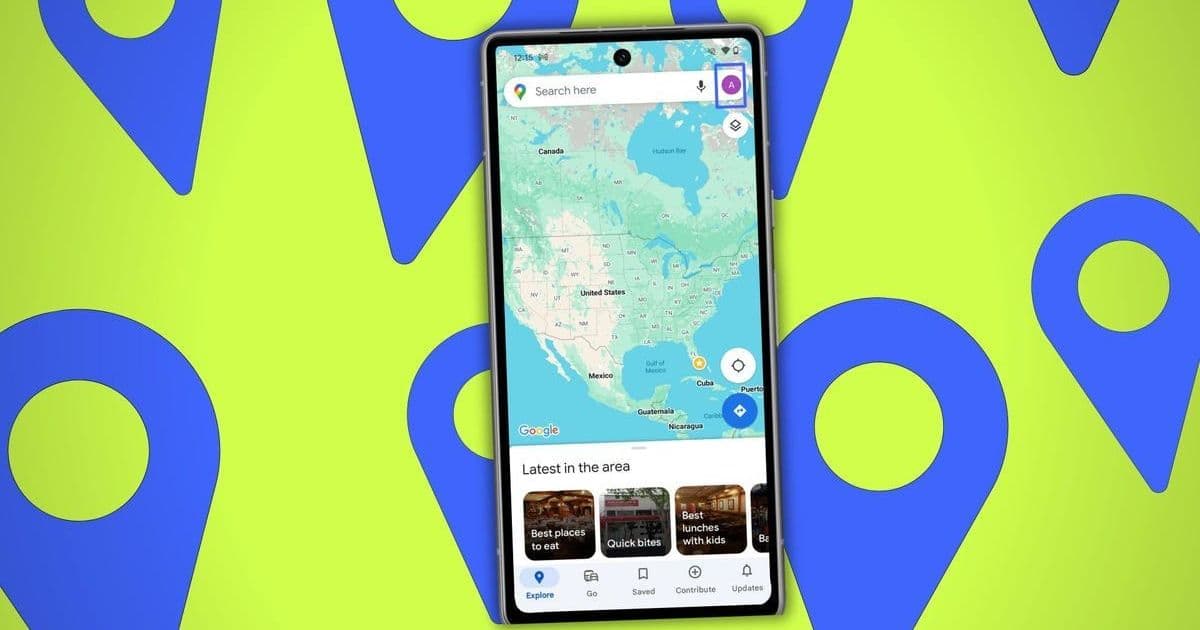
ZDNET's rigorous testing reveals which navigation app dominates in 2025, dissecting critical technical differentiators like real-time rerouting algorithms, offline capabilities, and AI integration. Google Maps edges ahead with broader utility, but Waze's specialized driver-first approach still excels in key areas.
Waze vs. Google Maps: The Technical Edge in 2025's Navigation Wars
For years, the debate between Waze and Google Maps has divided drivers and tech enthusiasts. As both apps evolve, ZDNET Senior Contributing Editor Elyse Betters Picaro conducted a methodical, feature-by-feature analysis to settle the score. Beyond personal preference, her findings reveal significant technical divergences impacting user experience, data efficiency, and real-world utility.
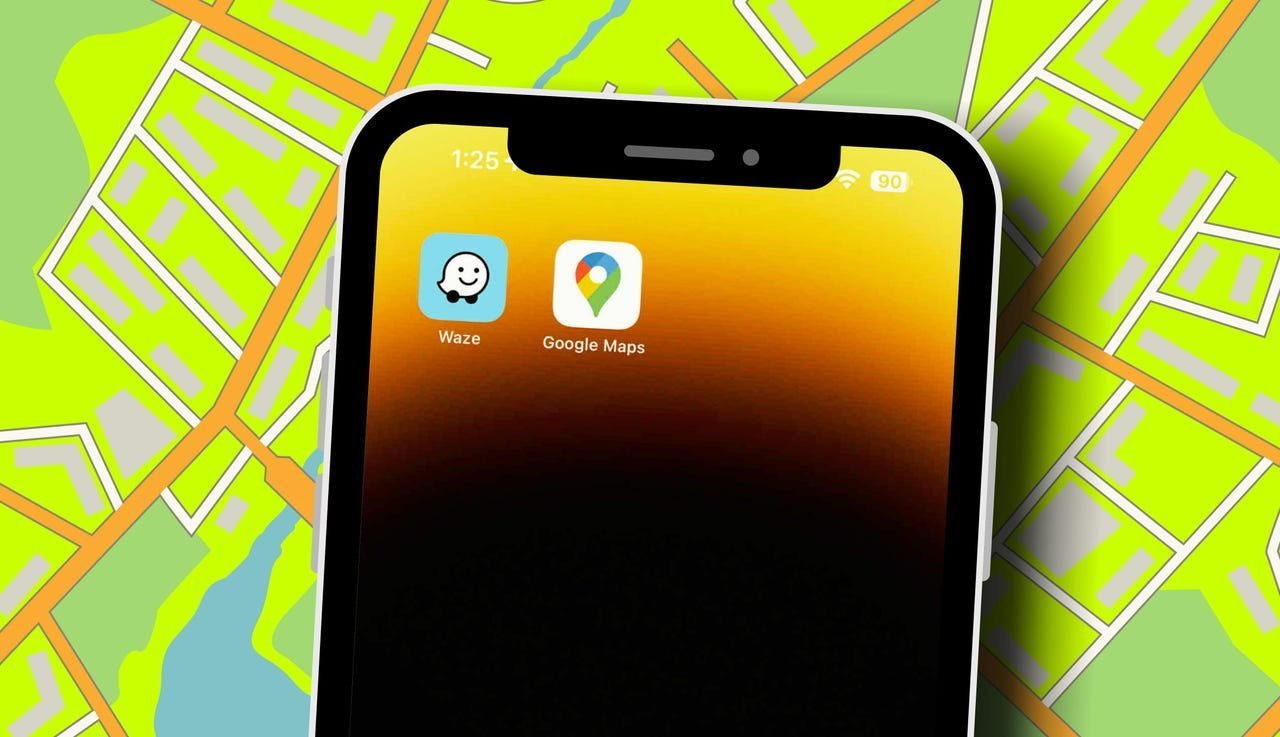 Caption: Waze vs. Google Maps interface comparison highlights their distinct design philosophies. (Credit: Elyse Betters Picaro / ZDNET)
The Core Technical Divergence: Philosophy & Execution
At their heart, Waze and Google Maps solve navigation with fundamentally different approaches:
- Waze (Acquired by Google in 2013): Prioritizes aggressive minimization of drive time above all else. Its algorithms leverage hyper-local, crowd-sourced real-time data (accidents, police, hazards) for instant, automatic rerouting. It’s a pure driver's tool.
- Google Maps: Focuses on comprehensive multi-modal navigation (driving, walking, transit, biking) with richer contextual data (business info, Street View). It suggests reroutes but requires user confirmation, balancing efficiency with user control and broader exploration features.
Feature Breakdown: Where Each App Excels Technically
Navigation & Real-Time Rerouting: Waze Wins
- Technical Edge: Waze's core strength. Its algorithms process user-reported incidents (traffic, police, hazards) instantly, automatically recalculating the fastest route without user intervention. This leverages its dedicated driver community for ultra-low-latency updates.
- Google Maps, while offering reroute suggestions based on similar data, requires a tap to confirm, introducing a decision delay.
Multi-Modal Transport & Offline Use: Google Maps Wins
- Technical Edge: Google Maps provides detailed routing, schedules, and real-time updates for walking, biking, buses, trains, and ride-sharing. Crucially, it supports full offline map downloads with turn-by-turn navigation – a lifesaver in low-connectivity areas or for international travel.
- Developer Note: This highlights Google Maps' superior data bundling and caching architecture compared to Waze's real-time dependency.
Traffic & Incident Reporting: Waze Wins (But the Gap is Narrowing)
- Technical Edge: Waze pioneered driver-submitted reports (traffic jams, police, hazards, construction). Its system relies on user confirmation/dismissal of reports while driving, creating a self-policing, highly current dataset that directly fuels its rerouting engine.
- Google Maps now integrates user reporting for crashes, slowdowns, speed traps, and closures, displaying them on the map. However, it doesn't automatically reroute based solely on these reports – the onus remains on the user.
AI Integration (Gemini): Google Maps Wins
- Technical Edge: Both apps utilize Google's Gemini AI. Waze offers "Conversational Reporting" (e.g., saying "Looks jammed ahead" to file a report).
- Google Maps implements Gemini more deeply, enabling complex, context-aware queries like "What's a good lunch spot around here with outdoor seating?" providing personalized, location-based discovery powered by its vast Places database.
Data Efficiency & System Resources: Google Maps Wins
- Technical Insight: Waze's constant processing of real-time crowd-sourced data and alerts inherently consumes more mobile data and potentially more battery life during active navigation. Google Maps, especially with offline areas downloaded, is significantly more data-efficient.
The Verdict: Google Maps by a Technical Nose
Based on ZDNET's testing across eight critical categories:
- Google Maps: 5 Wins (Transit/Travel Modes, Offline Maps, Interface/Discovery, AI Assistance, Availability)
- Waze: 3 Wins (Navigation/Rerouting, Traffic/Incident Reporting, Police Alerts)
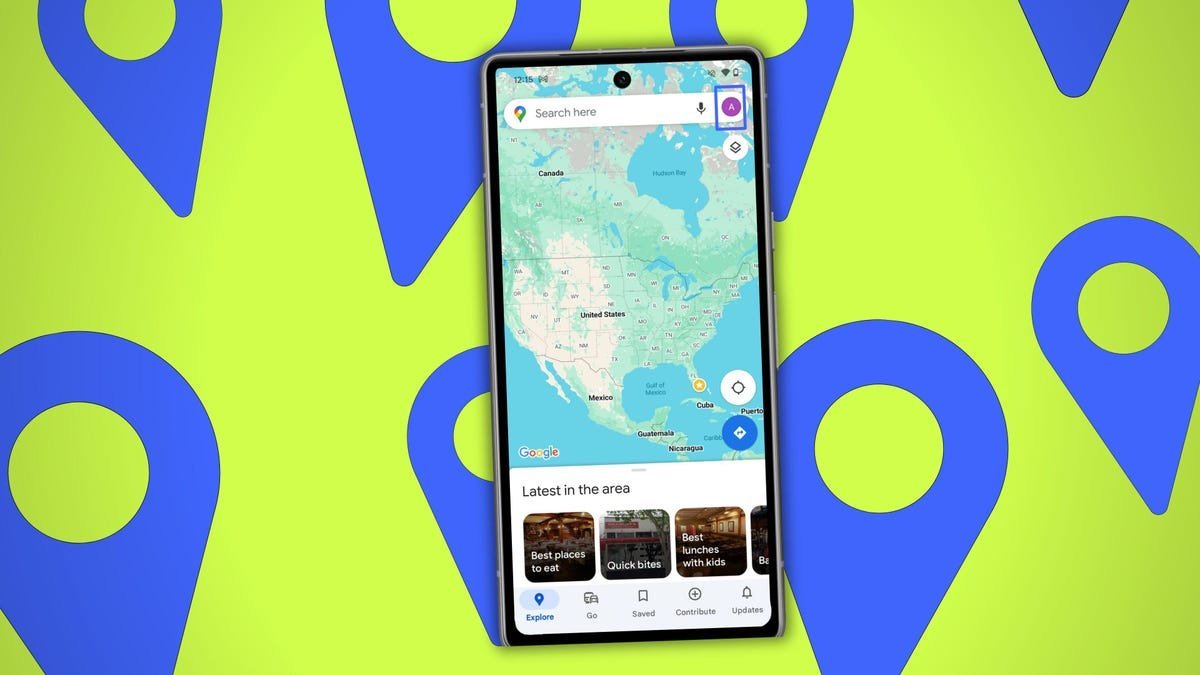 Caption: Google Maps' richer feature set, including deep business info and Street View, contributes to its edge. (Source: ZDNET)
Why Google Maps Prevails: While Waze remains unparalleled for drivers solely focused on the absolute fastest car route via real-time crowd-sourcing, Google Maps offers a vastly broader technical ecosystem. Its support for multiple transport modes, robust offline functionality, deeper AI integration via Gemini, richer location data (business info, reviews, Street View), and wider platform availability make it the more versatile and technically comprehensive tool for most users and developers building location-aware applications.
The Convergence Trend: Notably, the gap is shrinking. Google Maps continuously integrates Waze-like features (user reporting), while Waze leverages Google's AI and mapping backbone. However, their core philosophies – Waze's driver-first speed obsession vs. Google Maps' multi-modal utility – ensure distinct niches remain.
Strategic Choice for Developers & Tech-Savvy Users
The optimal choice hinges on primary use case:
- Choose Waze If: You are a driver where minimizing drive time is the singular priority, you value hyper-local real-time hazard alerts (especially police/speed traps), and data usage/battery life are secondary concerns.
- Choose Google Maps If: You need versatility (walking, transit, biking), travel frequently or venture offline, value deep location intelligence (business info, reviews, Street View), seek advanced AI-powered discovery, or prioritize data efficiency.
Source: ZDNET - Elyse Betters Picaro, October 17, 2025
Comments
Please log in or register to join the discussion