

WhatsApp is rolling out a new 'safety overview' feature that alerts users to potential scams when added to groups by unknown contacts, providing critical details like group creation dates and scam warnings. This move comes as the platform disabled over 6.8 million accounts linked to scam centers in early 2025, highlighting the escalating threat of social engineering attacks.

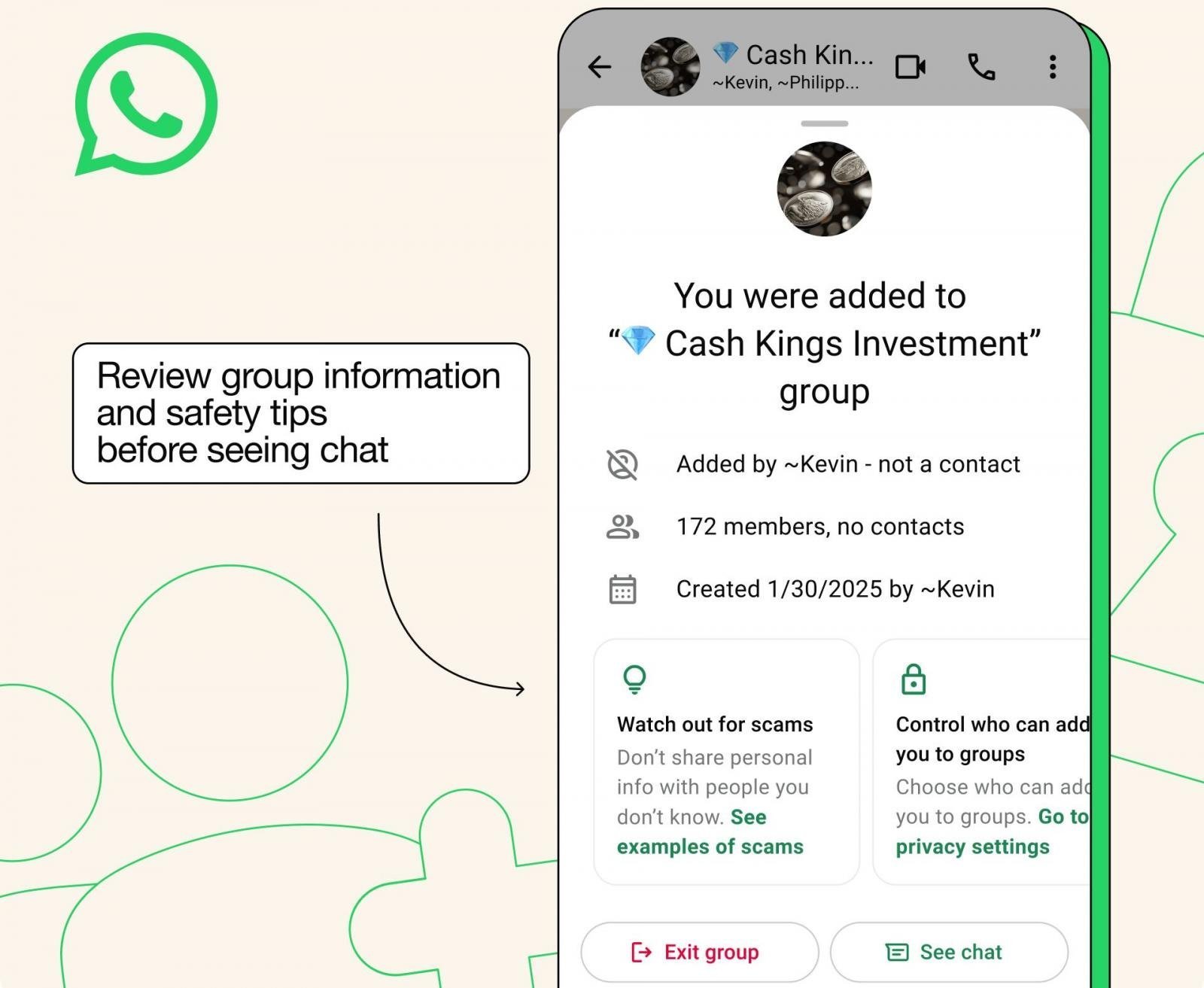
In a decisive response to the surge in social engineering scams, WhatsApp has introduced a groundbreaking security feature designed to protect users from fraudulent group chat invitations. The 'safety overview' tool activates when someone outside a user's contact list adds them to a group, displaying a context card with vital information: the group's creation date, member count, indicators of potential scam attempts, and actionable tips for exiting safely. As WhatsApp battles an epidemic of coordinated scams—including a recent takedown of a criminal operation in Cambodia—this feature represents a crucial layer of defense in the ongoing war against digital deception.
How the Safety Overview Works
When an unfamiliar user adds you to a group, WhatsApp now surfaces a pre-chat screen that prioritizes security over engagement. "It will include key information about the group and tips to stay safe," the company stated. "From there, you can exit the group without ever having to look at the chat. And if you think you might recognize the group after seeing the safety overview, you can choose to see the chat for more context. Regardless, notifications from the group will be silenced until you mark that you want to stay." This approach empowers users to make informed decisions, reducing the risk of falling prey to manipulative tactics like fake investment schemes or pyramid scams.
For direct messages from unknown numbers, WhatsApp already provides contextual alerts, urging users to "pause, question, and verify" before responding. The company emphasized this mantra in light of scams that often start with innocuous-seeming messages—such as promises of quick money—before escalating to more dangerous platforms like Telegram or cryptocurrency exchanges.
The Scourge of Organized Scam Centers
The timing of this update is no coincidence. WhatsApp revealed it disabled a staggering 6.8 million accounts in the first half of 2025, many tied to industrial-scale scam operations. One high-profile case involved collaboration with OpenAI to dismantle a Cambodian crime ring that used AI-generated lures. As the company detailed: "These scam centers typically run many scam campaigns at once—from cryptocurrency investments to pyramid schemes. Scams may start with a text message or on a dating app, then move to social media, private messaging apps, and ultimately payment or crypto platforms." In one instance, scammers employed ChatGPT to craft initial messages that redirected victims to WhatsApp and then Telegram, where they were roped into tasks like boosting TikTok engagement for fake rewards.
This feature builds on WhatsApp's April rollout of Advanced Chat Privacy, which shields sensitive chat content, and reflects a broader industry trend toward proactive, user-centric security. For developers, it underscores the importance of designing interfaces that prioritize safety by default—especially as AI lowers the barrier for scammers. While no tool can eliminate human vulnerability, innovations like this shift the balance, turning everyday users into informed gatekeepers of their own digital sanctuaries.
Source: BleepingComputer
Comments
Please log in or register to join the discussion