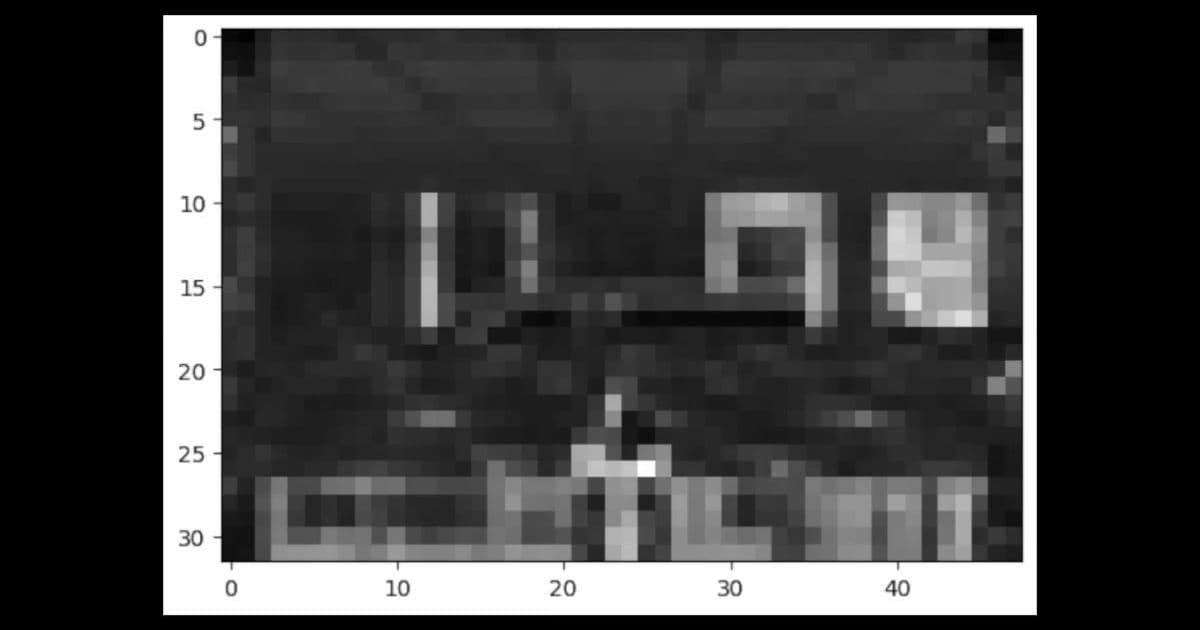
An MIT researcher's extraordinary achievement in programming the classic video game Doom to run on E. coli cells represents a fascinating intersection of synthetic biology and computing, demonstrating the potential of biological systems for computational tasks despite extreme speed limitations.
The boundaries between biological and digital systems have been pushed in an extraordinary direction by Lauren "Ren" Ramlan, an MIT biotechnology PhD student who has successfully programmed the seminal first-person shooter Doom to run on a display made from E. coli cells. This achievement, while impractical for actual gaming, represents a significant advancement in synthetic biology and biocomputing, demonstrating the potential for biological systems to perform computational functions traditionally reserved for electronic components.
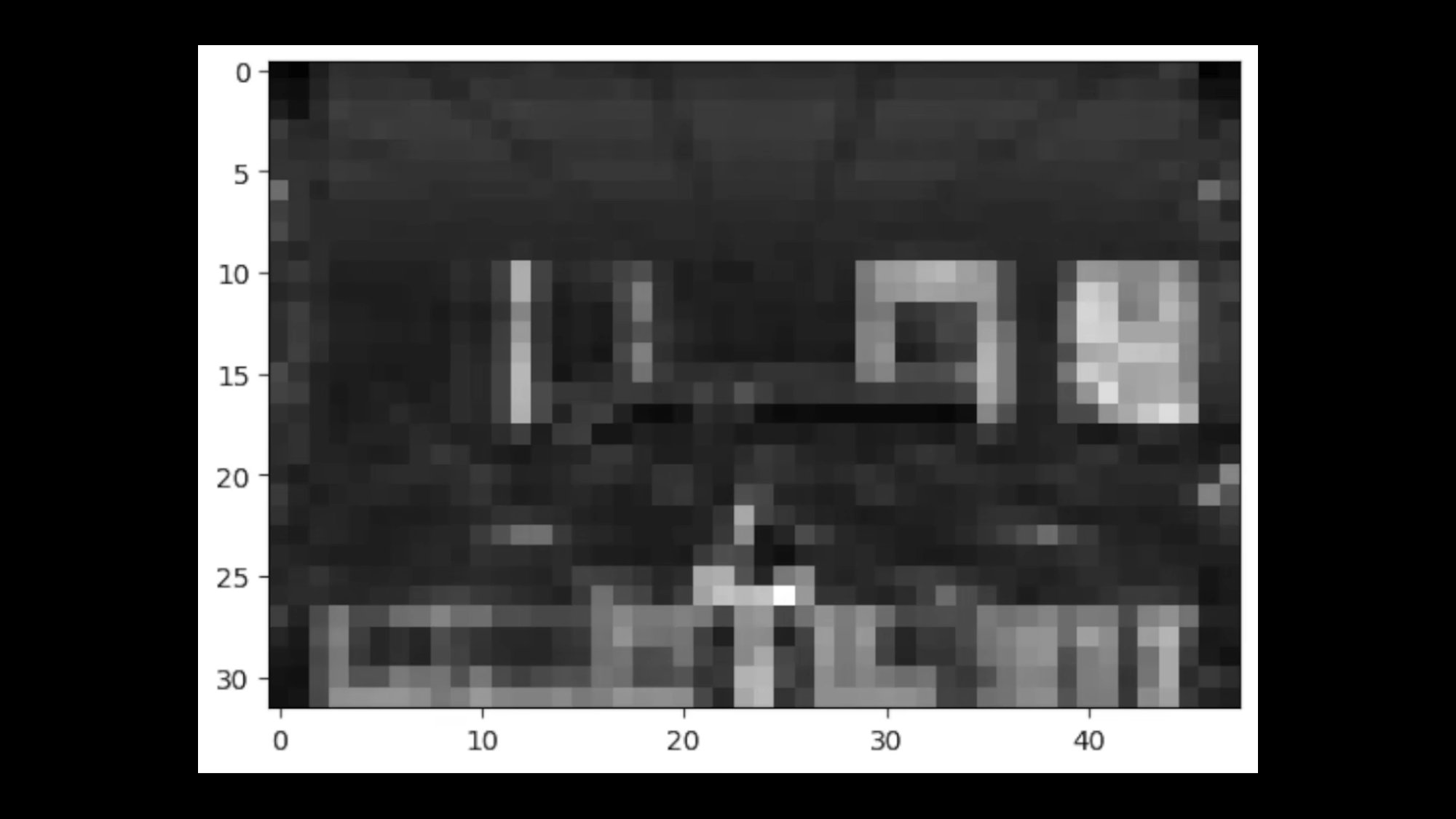
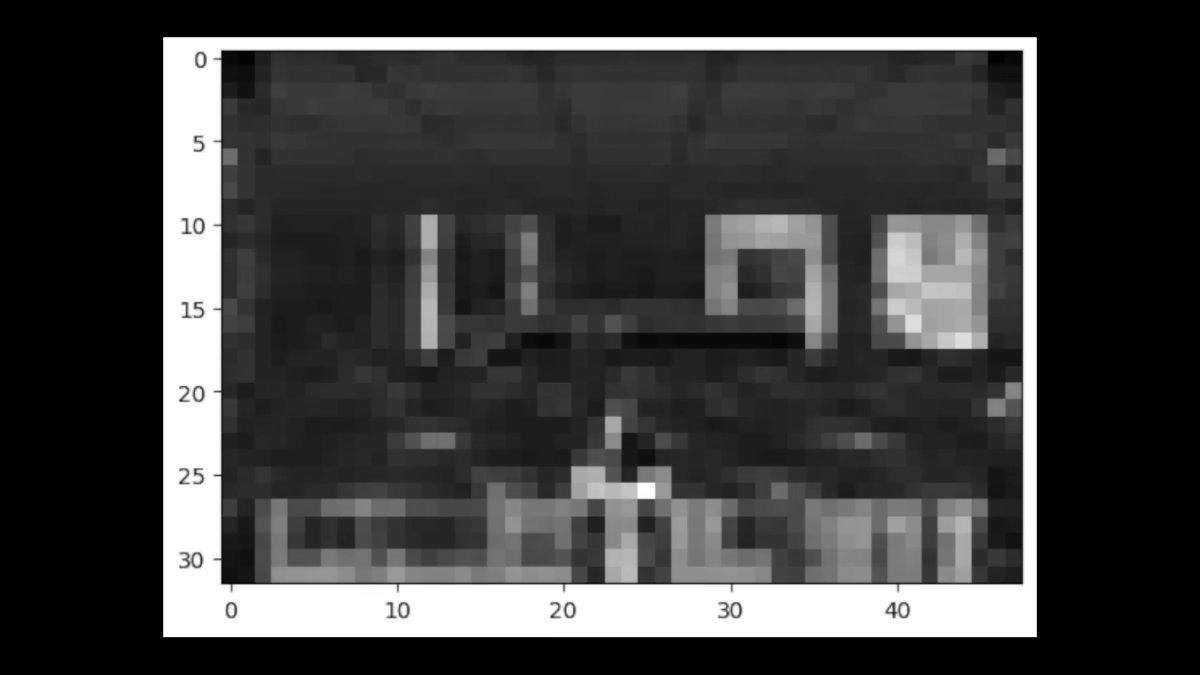
At first glance, the concept seems almost absurd—a classic video game running on living bacteria. Yet the technical execution, as detailed in Ramlan's research paper, reveals a sophisticated approach to biological computing. The system works by growing E. coli cells within a 32×48 1-bit well plate, essentially creating a biological display where each cell functions as a pixel capable of being either "on" or "off" through controlled fluorescence. A specialized controller processes binary code and translates it into commands that either add or omit a reagent controlling the bacterial luminescence, effectively replacing traditional screen pixels with glowing bacterial cells.
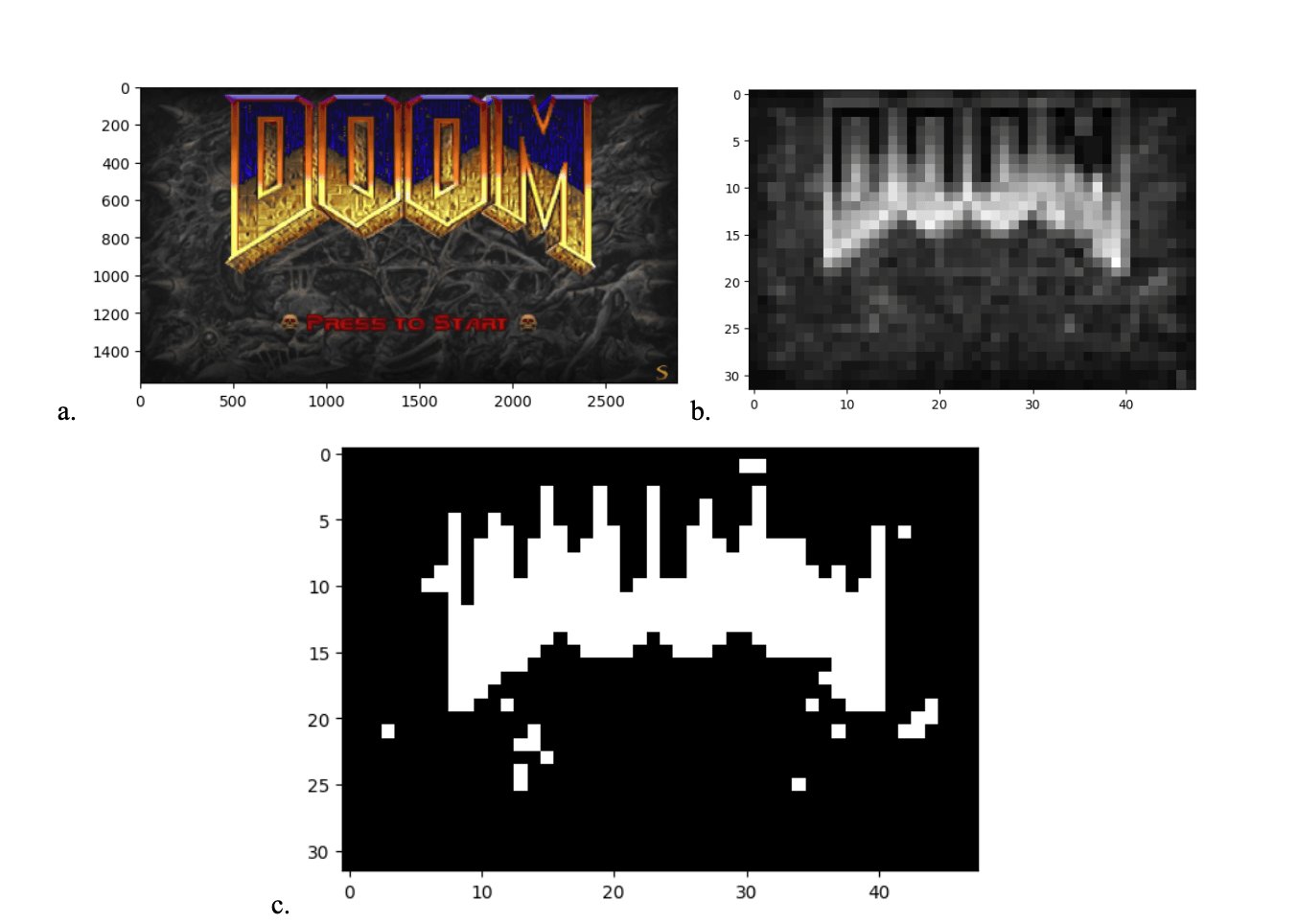
The technical process involves several intricate steps. First, the game frames must be processed to match the bacterial display's modest resolution of 32×48 pixels. Then, the binary data is translated into commands that control bacterial fluorescence. However, biological systems operate on fundamentally different timescales than electronic ones. Ramlan's system takes approximately 70 minutes to fully illuminate the display, followed by another 8 hours and 20 minutes to dim back to its original state. This results in roughly 9 hours per frame of video game content—a pace that makes real-time gaming impossible.
Given that the original Doom runs at 35 frames per second, Ramlan calculated that playing through the entire game at this biological pace would take approximately 599 years. As she deadpans in her explainer video, "This is an amazing find, because it means we are a small handful of generations away from the peak of human engineering… where Doom and life become one."
The "Can it run Doom?" phenomenon has become a cultural touchstone in the tech and gaming communities since the original source code was released in 1997. Enthusiasts have successfully ported the game to an increasingly diverse array of devices, from pregnancy tests and tractors to ATMs and calculators. This latest port to E. coli cells represents perhaps the most biologically extreme version of this challenge yet, highlighting both the game's enduring legacy and the ingenuity of the programming community.
Beyond the novelty, however, lies significant scientific potential. By successfully controlling bacterial cells at this level of precision, researchers are demonstrating the viability of biological systems for computational tasks. This could lead to novel biosensors that detect specific environmental conditions, biological computing systems that process information in ways fundamentally different from traditional computers, and advanced drug delivery systems that respond to specific biological signals.
The achievement also raises fascinating philosophical questions about the relationship between biological and digital systems. As we continue to blur the boundaries between organic and computational technologies, we may need to reconsider our definitions of "life" and "machine." The convergence of biology, computer science, and engineering in projects like this represents a frontier in technological innovation where interdisciplinary collaboration yields solutions that might have seemed impossible just decades ago.
While the E. coli Doom display may never replace gaming consoles, it serves as a powerful demonstration of synthetic biology's potential and expands our understanding of what biological systems can achieve. As Ramlan's work continues, we may see practical applications emerge from these seemingly impractical experiments, potentially revolutionizing fields from medicine to environmental monitoring through the creative repurposing of living organisms.
For those interested in exploring this further, Ramlan's research paper provides detailed methodology, and her explainer video offers an accessible overview of the project. The intersection of gaming and biology, once the domain of science fiction, is increasingly becoming a reality—one bacterial pixel at a time.
Comments
Please log in or register to join the discussion