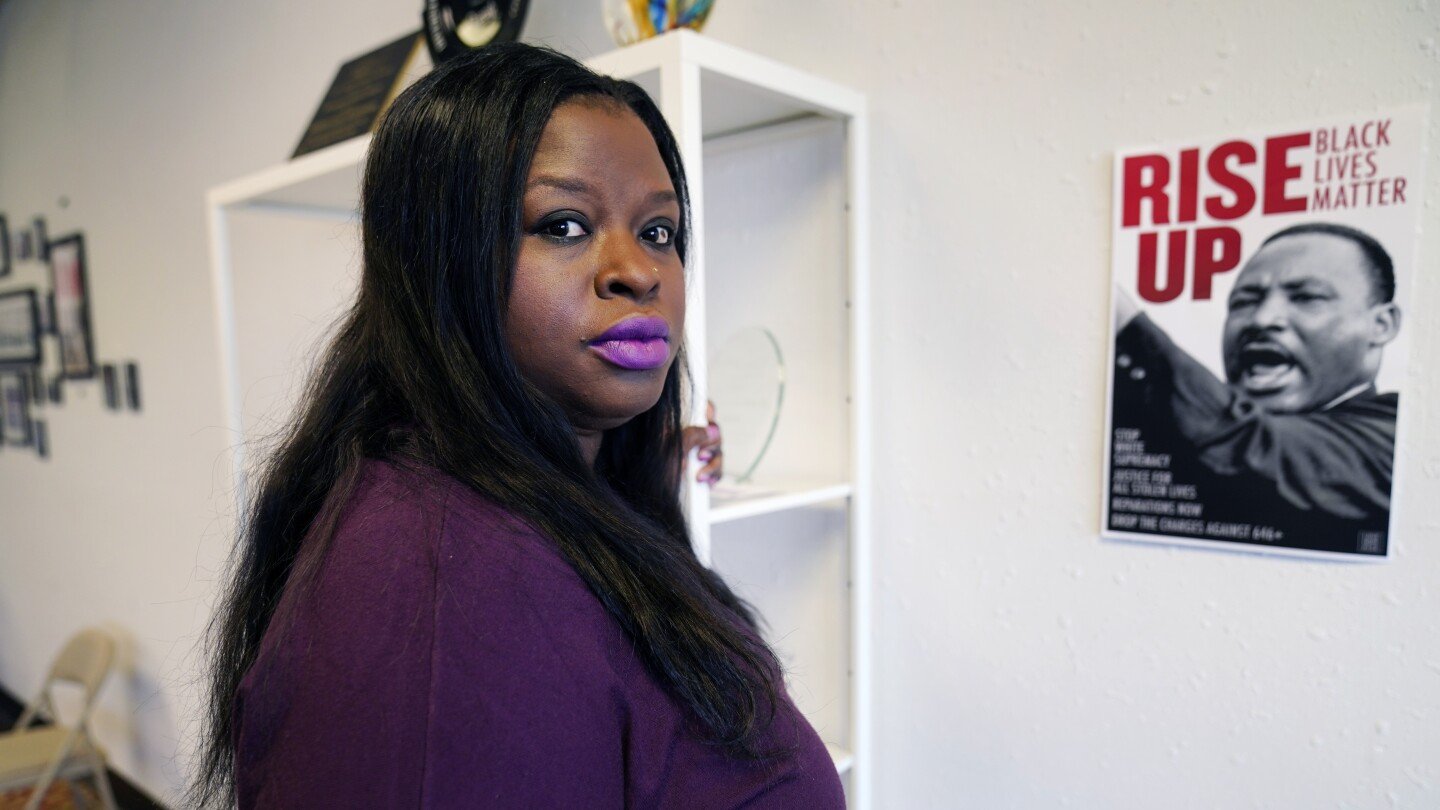
The White House acknowledged distributing a digitally altered image of Minnesota civil rights attorney Nekima Levy Armstrong appearing to cry during her arrest, defending it as political commentary amid growing concerns about AI-manipulated content in official communications.
Official government accounts entering the meme economy with digitally altered imagery marks an unsettling normalization of synthetic media in political discourse. This week's incident involving the White House social media team underscores how rapidly these tactics are being absorbed into mainstream political operations.
Federal authorities arrested civil rights attorney Nekima Levy Armstrong alongside two other activists during protests targeting a Minnesota church service with alleged ICE affiliations. While the Department of Homeland Security released standard documentation photos, the White House communications team circulated a version digitally manipulated to show tears streaming down Levy Armstrong's face – an alteration detectable only when compared against the original.

White House deputy communications director Kaelan Dorr defended the fabrication as legitimate political speech, stating on X: "Enforcement of the law will continue. The memes will continue. Thank you for your attention to this matter." This response frames the altered image as protected commentary rather than documentation, despite originating from an official government account followed by millions.
Critics highlight several troubling dimensions: First, the absence of disclaimers identifying the image as altered violates basic journalistic ethics now routinely ignored in political communications. Second, targeting a specific individual – particularly a Black civil rights attorney with national recognition as former Minneapolis NAACP president – raises concerns about state-powered character assassination. Levy Armstrong faces federal conspiracy charges that her supporters argue criminalize peaceful protest.
Legal frameworks lag significantly behind this emerging reality. While President Trump signed the Take It Down Act regulating nonconsensual intimate imagery, no federal statutes currently govern political deepfakes or synthetic media. This gap enables tactics like the NRSC's AI-generated Chuck Schumer video and the White House's tear-streaked mugshot. Justice Department guidelines for digital evidence authentication remain silent on AI-generated exhibits, creating potential courtroom vulnerabilities.
Counterarguments emerge from free speech advocates who contend that satirical memes – even from official accounts – deserve First Amendment protections. Some conservative commentators applaud the tactic as effective counter-programming against perceived media bias. Yet media law scholars note the blurred line becomes dangerous when governments manipulate imagery while simultaneously prosecuting citizens under conspiracy statutes, as occurred with journalists like Don Lemon who covered the protest.
The incident reveals a government testing boundaries: Using taxpayer-funded resources to create synthetic media targeting citizens facing federal charges, while dismissing criticism as hypersensitivity. As synthetic media tools become more accessible, this normalization risks eroding visual evidence's credibility in both public discourse and legal proceedings – with government accounts ironically leading the charge in undermining documentary authenticity.
Comments
Please log in or register to join the discussion