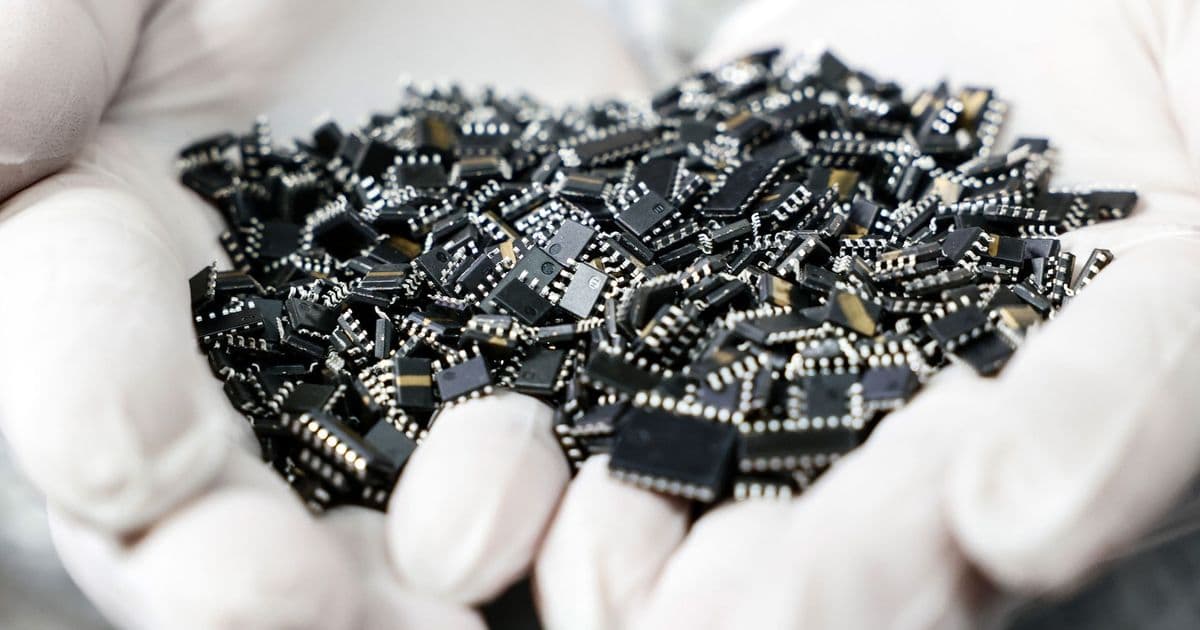
AMD motherboard manufacturers are increasingly adopting 64MB BIOS chips to support more processor generations and features, addressing capacity limitations that previously forced compromises on older platform support.
When shopping for motherboards, most buyers focus on obvious factors like chipset, form factor, and connectivity options. The BIOS chip size rarely makes the list—but it should. This small component plays a surprisingly critical role in your system's upgrade potential, especially on AMD platforms known for multi-generational support.
The Evolution of BIOS Chip Capacity
Back in the early days of computing, BIOS chips were tiny—typically 8KB to 64KB in capacity. As hardware has grown exponentially more complex over the decades, these chips have had to keep pace. A few years ago, 16MB or 32MB chips were standard on consumer motherboards. Recently, 64MB BIOS chips have become increasingly common on AMD motherboards, though adoption isn't universal.
Don't let the small size fool you. The BIOS chip—technically called the SPI ROM—stores mission-critical firmware that initializes and tests your hardware every time you power on your system. Without a functional BIOS chip, your computer won't even start.
Why Size Matters More Than Ever
The primary driver for larger BIOS chips is simple: modern firmware has become incredibly complex. Today's BIOS/UEFI implementations include:
- Support for dozens of processor models across multiple generations
- Enhanced graphical user interfaces with eye candy and animations
- Integrated wireless drivers and other peripheral support
- Advanced overclocking and tuning features
- Security features like Secure Boot and TPM support
Motherboard manufacturers have been reluctant to adopt higher-capacity chips primarily due to cost. Larger chips are more expensive, and every dollar saved on components improves profit margins. However, the industry is now recognizing that the trade-offs of smaller chips—particularly on AMD platforms—outweigh the cost savings.
The AM4 Platform's Painful Lessons
AMD's AM4 platform provides a cautionary tale about BIOS chip limitations. Supporting eight processor generations from Zen to Zen 4, AM4 motherboards with 16MB chips often faced difficult choices when new CPUs launched. With Zen 3, many manufacturers had to drop support for older Zen and Zen+ processors to make room for the new microcode and AGESA updates.
Some even stripped out the graphical BIOS interface, reverting to text-based menus to save space. This wasn't just an inconvenience—it meant users with older processors could suddenly find their motherboards incompatible with BIOS updates, effectively bricking their upgrade path.
AM5's Multi-Generational Future
AMD's AM5 platform, launched in 2022, represents a significant improvement. The company has committed to supporting AM5 through 2027 and beyond, with three processor families already released (Zen 4, Zen 4 Refresh, and Zen 5). While this is only half as many as AM4 saw, the platform is still young.
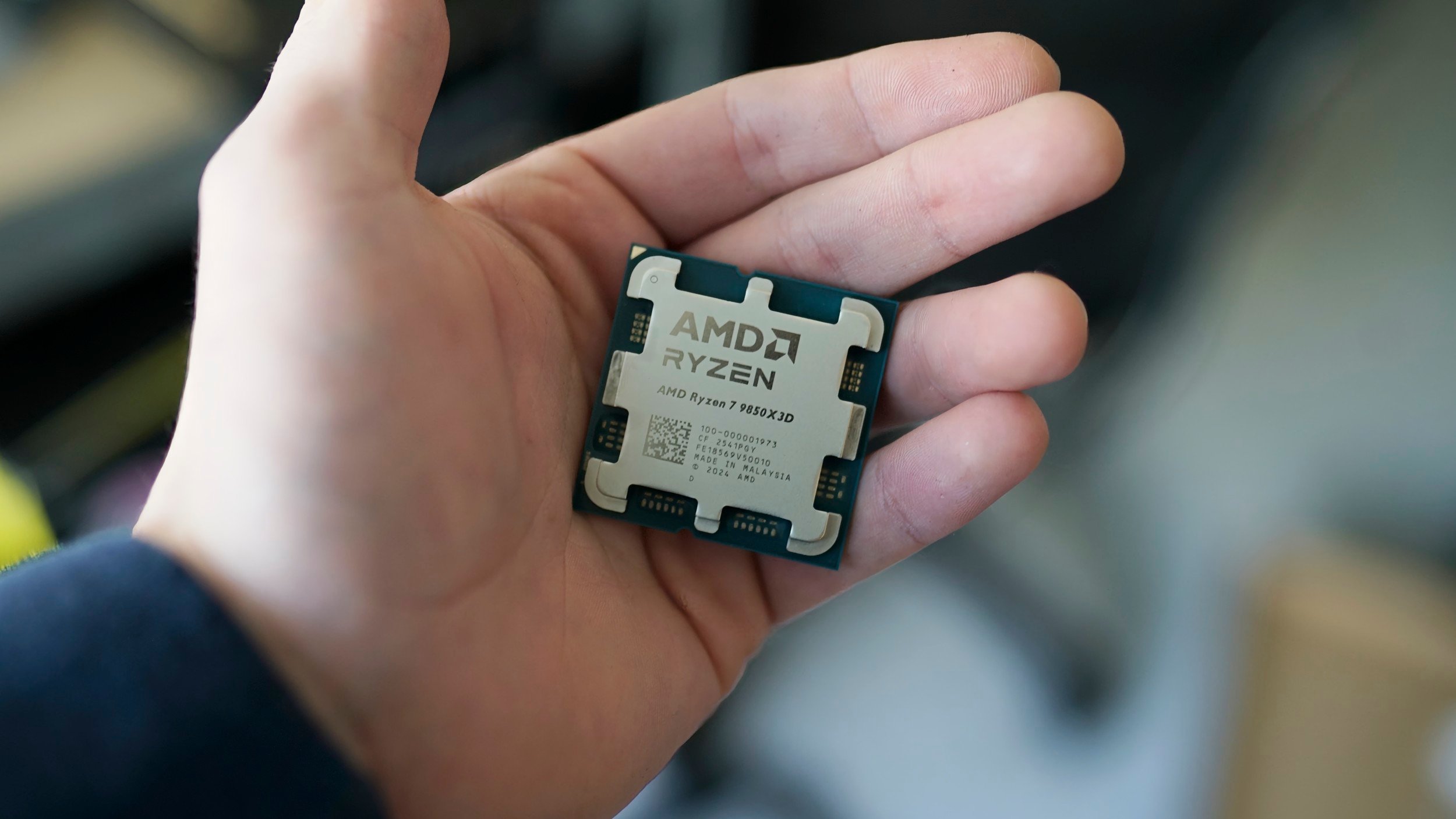
If AMD maintains its previous cadence, AM5 will likely see at least Zen 6 processors. The question is whether 32MB or 64MB chips will be sufficient to support this growth without forcing manufacturers to make painful trade-offs.
What This Means for Buyers
Not all AM5 motherboards feature 64MB BIOS chips. The variation between manufacturers means buyers need to look beyond just the chipset and price when evaluating options. Here's what to consider:
- Check the specifications: Visit the product page and look for BIOS chip capacity, often listed in megabits (Mb) rather than megabytes (MB). Remember that 512Mb = 64MB and 256Mb = 32MB.
- Consider your upgrade timeline: If you regularly upgrade to the latest CPUs and don't need backward compatibility, a 32MB chip may suffice. If you want maximum flexibility, look for 64MB options.
- Price vs. future-proofing: Higher-end motherboards across different chipsets (including B850) are more likely to feature larger BIOS chips, offering better long-term value.
The Bottom Line
The shift to larger BIOS chips on AMD motherboards represents a maturing understanding of what modern PC enthusiasts need: flexibility, longevity, and the freedom to upgrade without artificial limitations. While most users won't notice this change directly, it removes a potential bottleneck that could have constrained AMD's platform evolution.
For those building AM5 systems today, this trend means more upgrade options tomorrow—and that's worth considering when making your motherboard choice.
Comments
Please log in or register to join the discussion