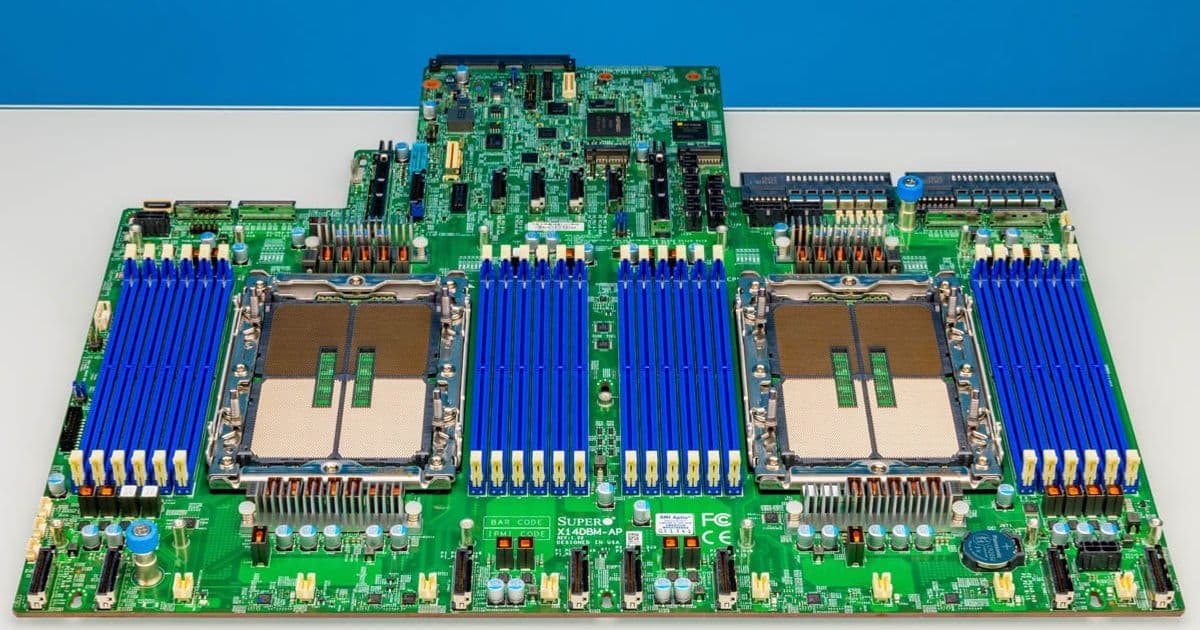
Server motherboards have evolved far beyond traditional ATX designs, embracing custom form factors optimized for modern hardware requirements. The Supermicro X14DBM-AP exemplifies this shift, showcasing how today's server boards prioritize space efficiency, cable routing, and modular expansion over conventional layouts.
Server motherboards have undergone a dramatic transformation in recent years, moving away from the familiar ATX and EATX form factors that dominated the industry for decades. The Supermicro X14DBM-AP motherboard serves as a perfect example of this evolution, showcasing how modern server designs prioritize functionality over traditional layouts.
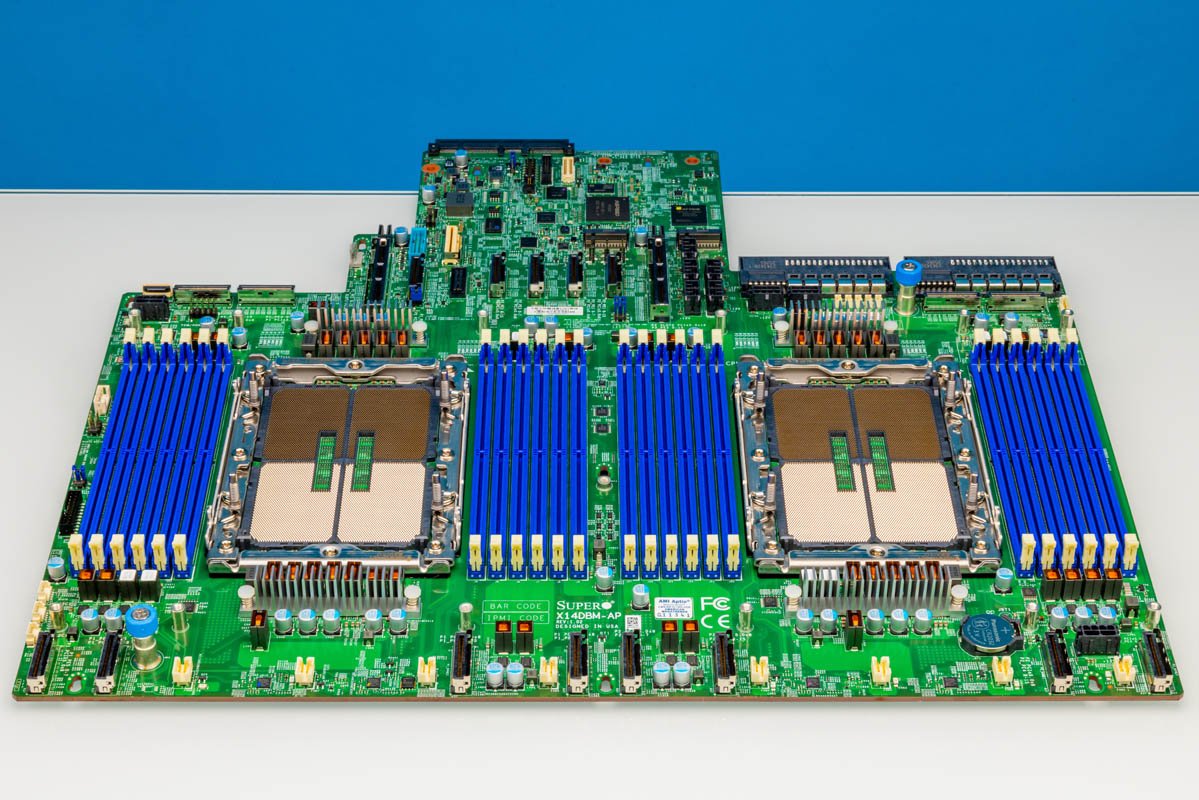
When I recently had to replace a damaged 12V power connector on a server board, it presented the perfect opportunity to examine a contemporary motherboard outside its typical chassis environment. This particular Supermicro board belongs to their Hyper line of servers and represents a significant departure from conventional motherboard design.
The Evolution Away from ATX
One of the primary reasons we see fewer traditional server motherboard reviews today is that most modern servers now utilize custom form factors. These proprietary designs bear little resemblance to their ATX/EATX predecessors, and for good reason.
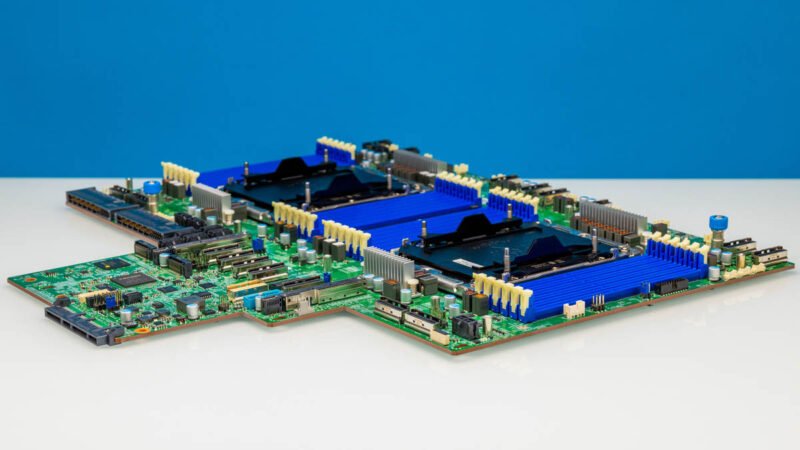
The most striking changes are evident in the CPU and memory socket arrangements. Modern 12-channel DDR5 memory server CPUs require substantial space, and today's designs take advantage of this by creating efficient cable routing paths between the front and rear of servers.
Size Matters: The CPU Socket Revolution
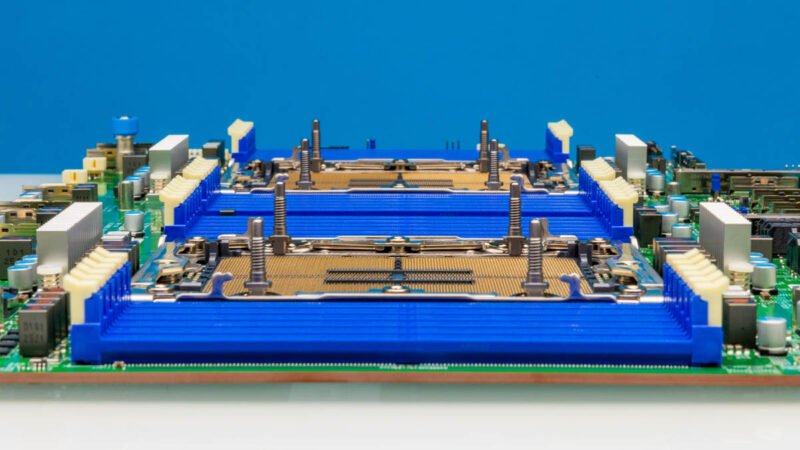
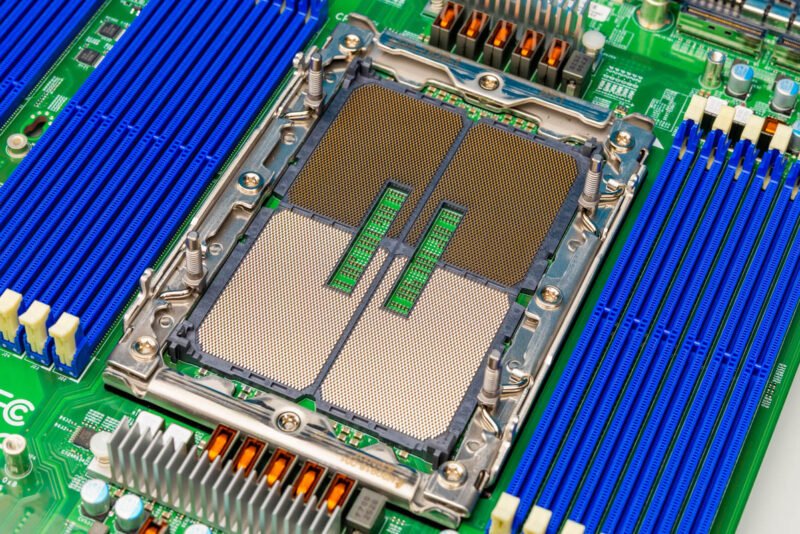
Today's CPU sockets are substantially larger than their predecessors. To put this in perspective, I recently handled both LGA2011 and LGA1366 CPUs, and they appear almost toy-like compared to modern chip packages. The scale difference is remarkable and necessitates rethinking motherboard layouts entirely.
Modern Connectivity Solutions
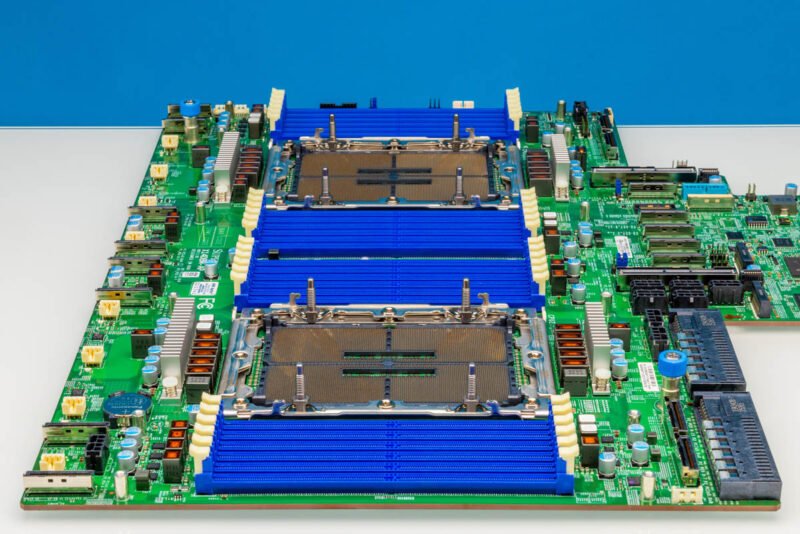
The proliferation of PCIe connectivity has fundamentally changed motherboard design. Modern server motherboards typically feature extensive MCIO (Multi-Channel IO) connections on the front edge, along with dedicated fan power connectors. This arrangement optimizes space while maintaining accessibility.
Simplified Installation
One welcome change in modern designs is the installation process. Rather than securing motherboards at multiple points with numerous screws, contemporary designs typically use one or two thumbscrews combined with pegs that slot into place across the board. This approach significantly simplifies maintenance and upgrades.
Power Distribution Evolution
Power supply integration has also evolved considerably. Modern designs allow power supplies to slot directly into the motherboard, eliminating the need for separate power distribution boards that were notorious for high failure rates in older systems.
Rear Riser Architecture
Without traditional x16 or x8 slots, modern motherboards have reimagined how expansion cards connect. Instead of standard slots, you'll typically find GenZ connectors, multiple MCIO connectors, and M.2 slots. This shift necessitates new power delivery methods, often resulting in additional power connectors throughout the board.
The Cable Advantage
One of the most significant changes is the extensive use of MCIO cables throughout modern servers. These cables offer superior signal integrity and remarkable flexibility. For instance, when additional x16 connections were needed for NVIDIA ConnectX-8 C8240 800G Dual 400G NICs, lanes could be sourced from both front and rear MCIO connectors, demonstrating the adaptability of this approach.
Modular Expansion
Many modern motherboards feature OCP NIC 3.0 (or Supermicro AIOM) slots, with some designs offering the ability to add secondary slots through upgrade kits. This modularity allows for customization based on specific deployment needs.
The Management Controller Shift
While this particular Supermicro board integrates the BMC directly onto the motherboard, it's becoming increasingly common to see separate DC-SCM modules housing ASPEED BMC controllers, further emphasizing the trend toward modularity.
Practical Considerations
Even with all these changes, some familiar elements remain. Modern server motherboards still typically include USB 3.0 headers for management and maintenance tasks, providing a connection to traditional IT practices.
The Bigger Picture
This evolution reflects broader industry trends. While consumer motherboards trend toward higher integration, server motherboards are moving in the opposite direction, embracing modularity. This approach offers several advantages:
- Reduced motherboard SKUs improve manufacturing quality and consistency
- Modular components allow for easier upgrades and repairs
- Standardized interfaces like OCP form factors further reduce complexity
- Cable-based I/O connections provide superior signal integrity and flexibility
Looking Forward
The Supermicro X14DBM-AP exemplifies how server motherboard design has adapted to meet the demands of modern computing. By abandoning traditional form factors in favor of custom designs optimized for 19" rack mounting, these boards efficiently accommodate today's massive CPU sockets and extensive memory configurations while providing flexible expansion options through modular components.
The shift from integrated to modular design represents a fundamental change in how we think about server architecture, prioritizing adaptability and maintainability over the one-size-fits-all approach of traditional ATX designs.
Comments
Please log in or register to join the discussion