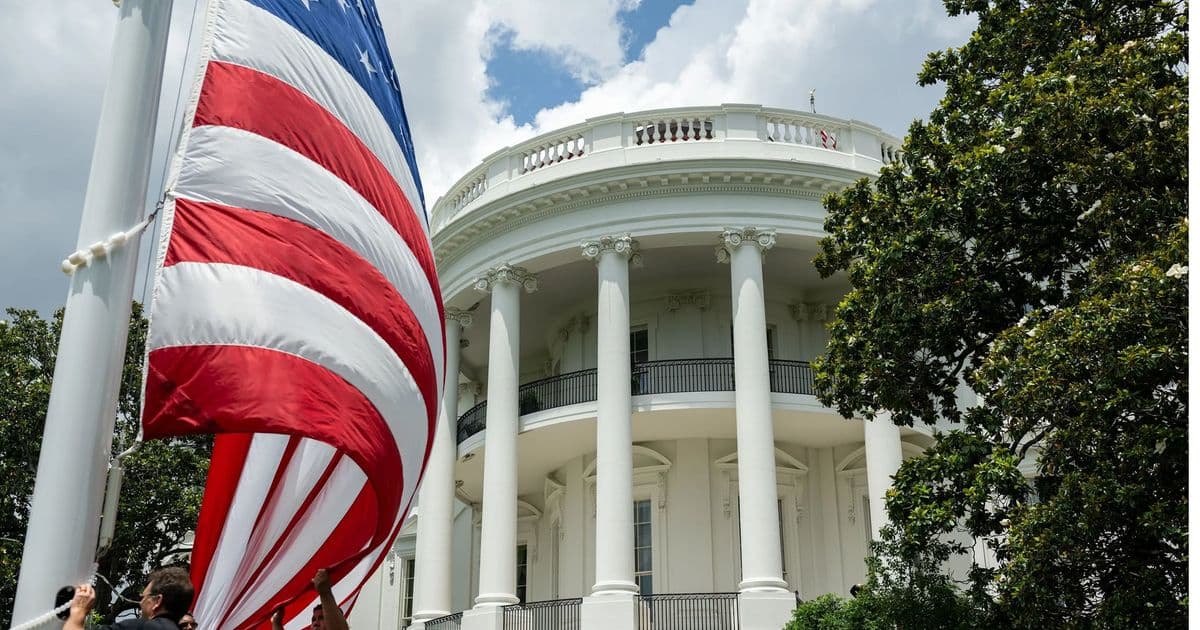
The U.S. Commerce Department is preparing tariff exemptions for Amazon, Google, Microsoft, and other AI infrastructure providers as part of a semiconductor agreement with Taiwan that reduces chip import duties while incentivizing domestic manufacturing investments.
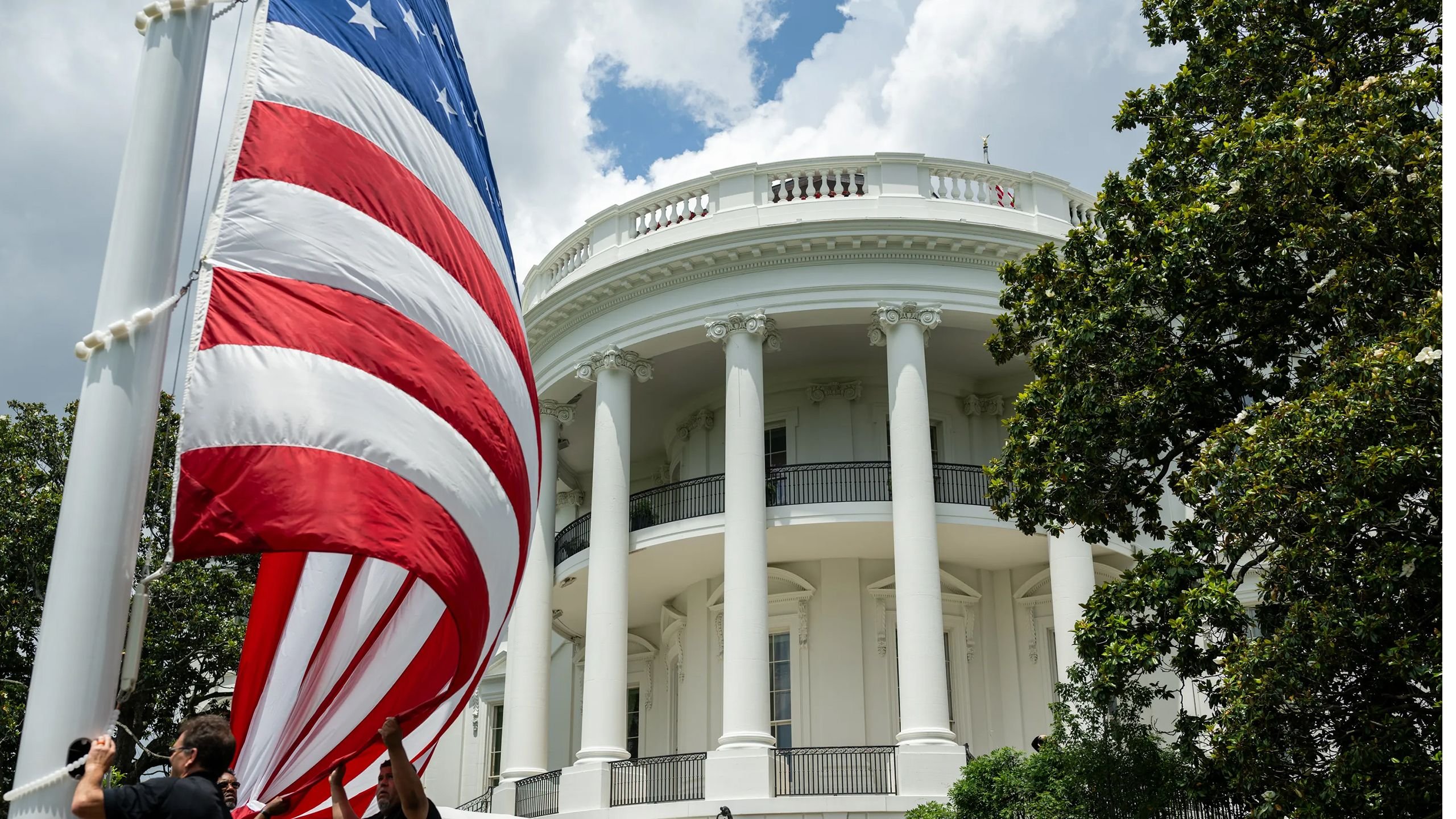
The U.S. Department of Commerce is developing targeted tariff exemptions for major AI infrastructure operators, including Amazon, Google, and Microsoft, according to industry reports. This initiative forms part of a recently negotiated trade agreement between Washington and Taipei that restructures semiconductor import duties while securing substantial manufacturing investments on American soil.
Under terms finalized last month, the U.S. will reduce tariffs on Taiwanese semiconductor imports from 20% to 15%. Crucially, Taiwanese companies constructing fabrication facilities (fabs) in the U.S. receive temporary import allowances: During construction, these firms may import chips equivalent to 2.5 times their planned production capacity without tariffs. Once operational, this allowance decreases to 1.5 times their manufacturing capacity. This structure creates strong economic incentives for companies like Taiwan Semiconductor Manufacturing Company (TSMC) to accelerate stateside production while maintaining supply continuity during facility construction phases that typically span 2-4 years.
TSMC, which has committed $165 billion to U.S. manufacturing expansion including an operational Arizona fab, will likely allocate tariff-free import quotas to strategic clients requiring massive volumes of AI accelerator chips. The exemption volume directly scales with investment magnitude: A $1 billion fab investment yields proportionally higher tariff-free import allowances than smaller projects. Industry analysts project TSMC could shield hyperscalers from over $3.2 billion in annual duties based on current investment trajectories.
Market implications are substantial. The tariff framework coincides with TSMC's unprecedented $45 billion capital expenditure announcement – a near-total allocation of its projected $52-$56 billion budget for early 2026. While exact U.S. investment distribution remains unspecified, this accelerated spending signals preparation for exponential AI chip demand. Taiwan has rejected relocating 40% of semiconductor capacity to U.S. soil, but affirmed that domestic and American production will scale concurrently. Current projections indicate U.S. fab capacity could grow 150% by 2028, potentially supplying 18% of global advanced logic chips versus today's 12%.
The Commerce Department's calibrated approach balances multiple objectives: Maintaining AI infrastructure development velocity through tariff relief while ensuring TSMC meets its $250 billion U.S. investment pledge. As one administration official noted, monitoring will ensure the policy doesn't become a subsidy for Taiwanese manufacturers. With AI chip demand forecast to increase 61% annually through 2030, this tariff architecture represents a strategic compromise between immediate supply needs and long-term supply chain resilience.

Jowi Morales is a semiconductor industry analyst covering fabrication economics and global supply chain dynamics.
Comments
Please log in or register to join the discussion