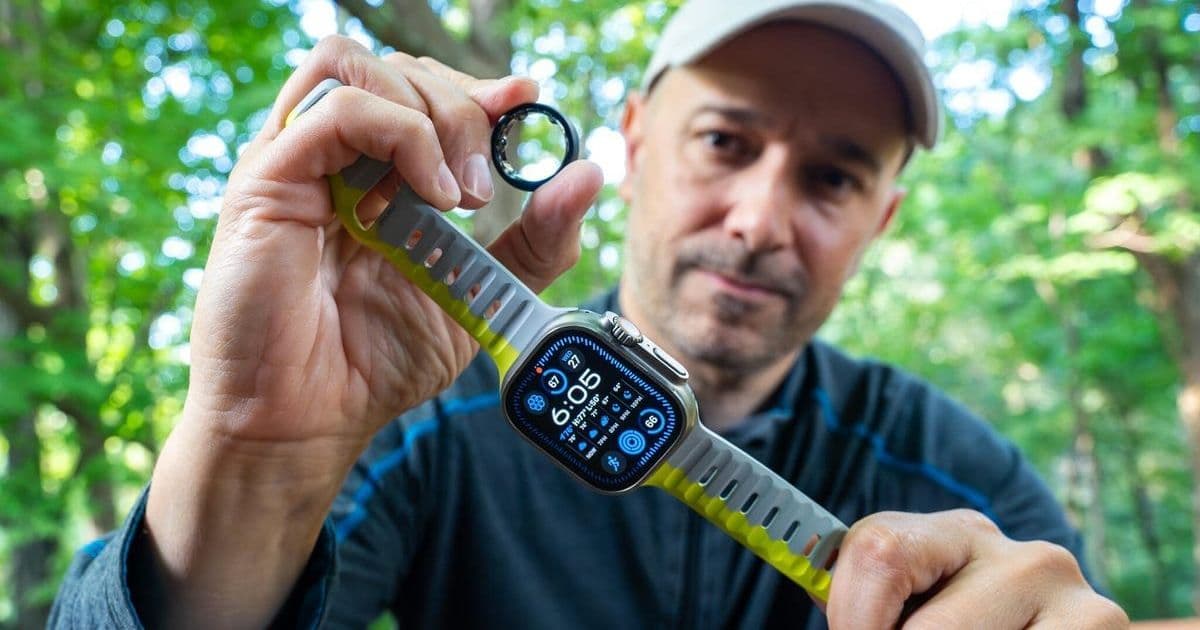
After extensive testing of Oura, Samsung, and Ultrahuman smart rings, a decade-long Apple Watch user reveals why the wrist remains superior for health tracking—and the one game-changing feature that could bridge the gap.
The Wearable Wars: Why Apple Watch Still Reigns in My Tech Ecosystem
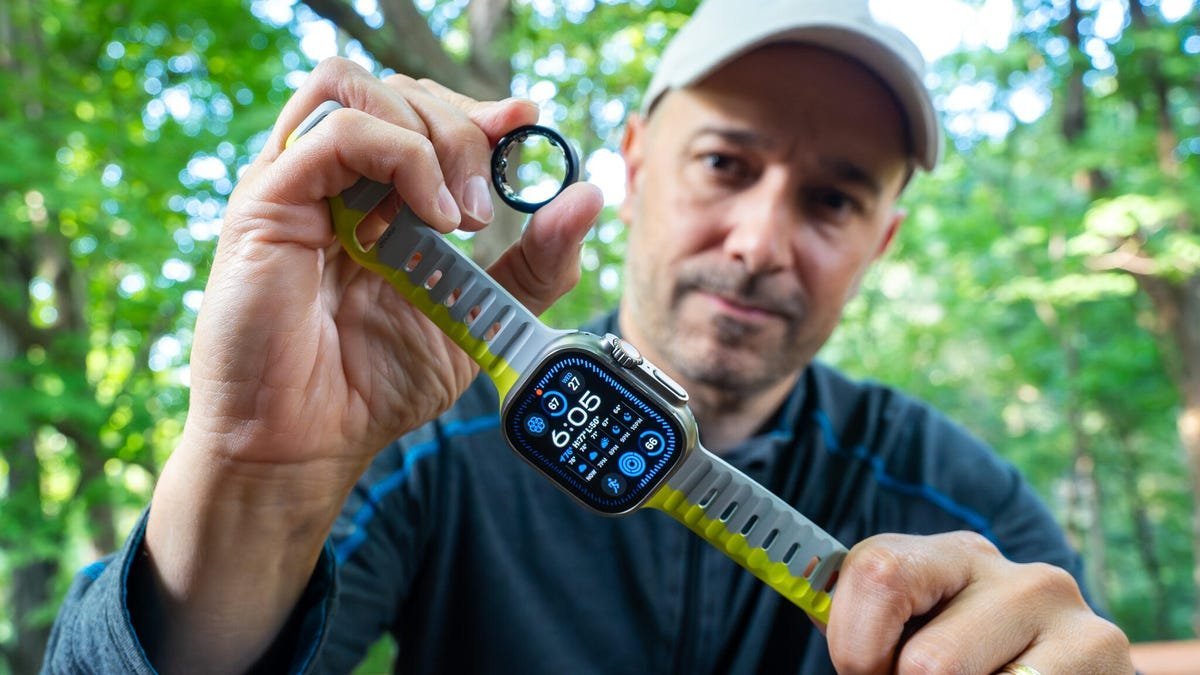
For ten years, I've awakened with an Apple Watch on my wrist—a ritual unchanged since 2019 for sleep tracking. As smart rings like Oura, Samsung Galaxy Ring, and Ultrahuman Ring Air gained popularity among peers promising discreet health monitoring, I rigorously tested each alternative. Yet repeatedly, I returned to Apple's wearable. Why does a bulky smart watch triumph over sleek finger-worn tech? Three fundamental reasons shape my preference.
1. The Comfort Paradox
Surprisingly, the 61.3g Apple Watch Ultra disappears on my wrist through sleep and daily wear—a testament to neurological adaptation. Conversely, smart rings constantly announce their presence. While Samsung's thinner Galaxy Ring comes closest to comfort, even after months of testing, rings remained intrusive nighttime companions. The density of sensors packed into these miniature devices creates unavoidable physical awareness that wrist-worn tech avoids through distributed weight distribution.
2. The Power of Glanceable Intelligence
Smart ring advocates champion screen-free minimalism, but I leverage my Apple Watch Ultra as a phone-reduction tool. Its Modular Ultra face delivers eight complications plus an Action Button shortcut—weather, hydration, workouts, and critical notifications appear without phone disruption.
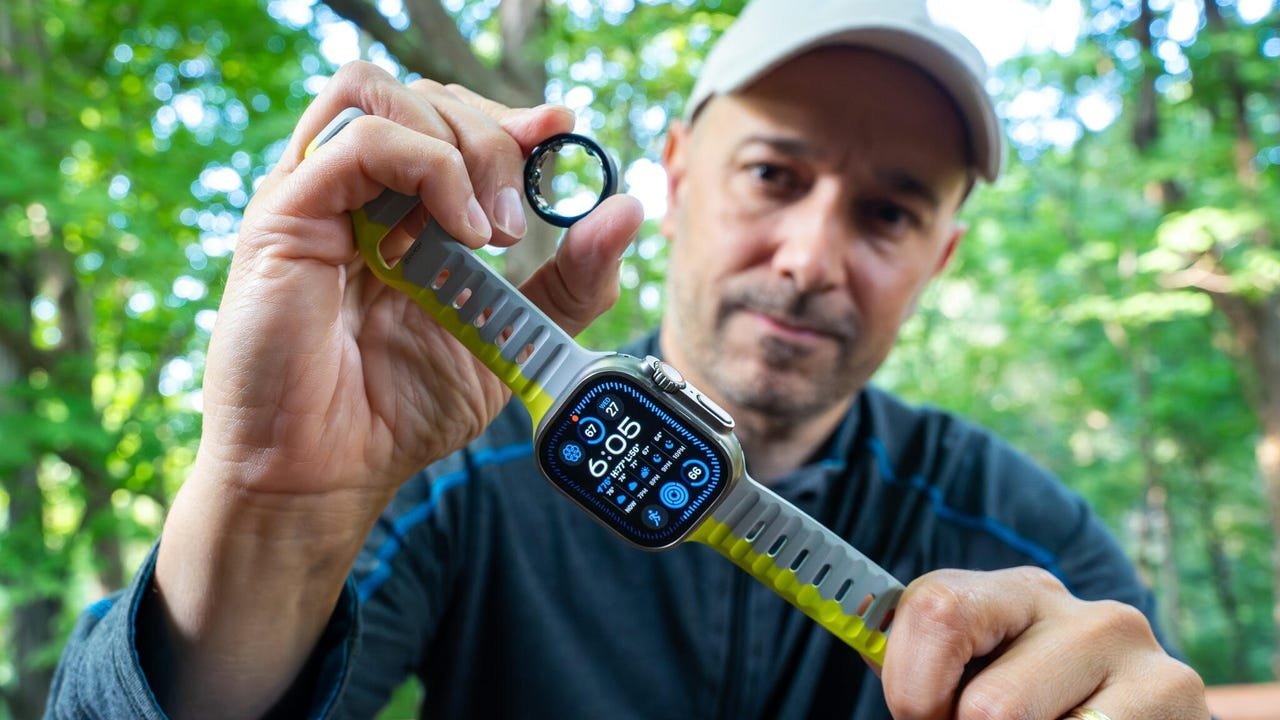
"I've tuned notifications so only vital alerts reach my wrist—a curated stream that actually reduces digital anxiety," notes the author. This proactive filtering creates efficiency smart rings can't match.
3. Avoiding Data-Induced Stress
While rings excel at granular sleep/stress metrics, their constant health grading introduced psychological friction. After scoring insufficient sleep despite feeling rested, I questioned my own bodily awareness. The Apple Watch's quieter approach—providing raw data without judgmental scores—proved less taxing. As one sleep researcher observed, "Quantification without actionable context often breeds anxiety rather than solutions."
The Missing Link: Actionable Insights
Here's where smart rings shine: translating data into behavioral prompts. When my Samsung Galaxy Ring correlated low energy with missed cardio targets, it provided concrete improvement steps. Apple's Health app shows trends but lacks synthesized scores or contextual guidance.
Rumors suggest Apple Watch Series 11 may introduce sleep scoring—a step toward closing this gap. For developers, this represents the wearable industry's next frontier: merging Apple's seamless integration with rings' coaching intelligence. Until then, the watch remains my health command center—proving that sometimes, more screen enables less distraction.
Source: Jason Hiner, ZDNET
Comments
Please log in or register to join the discussion