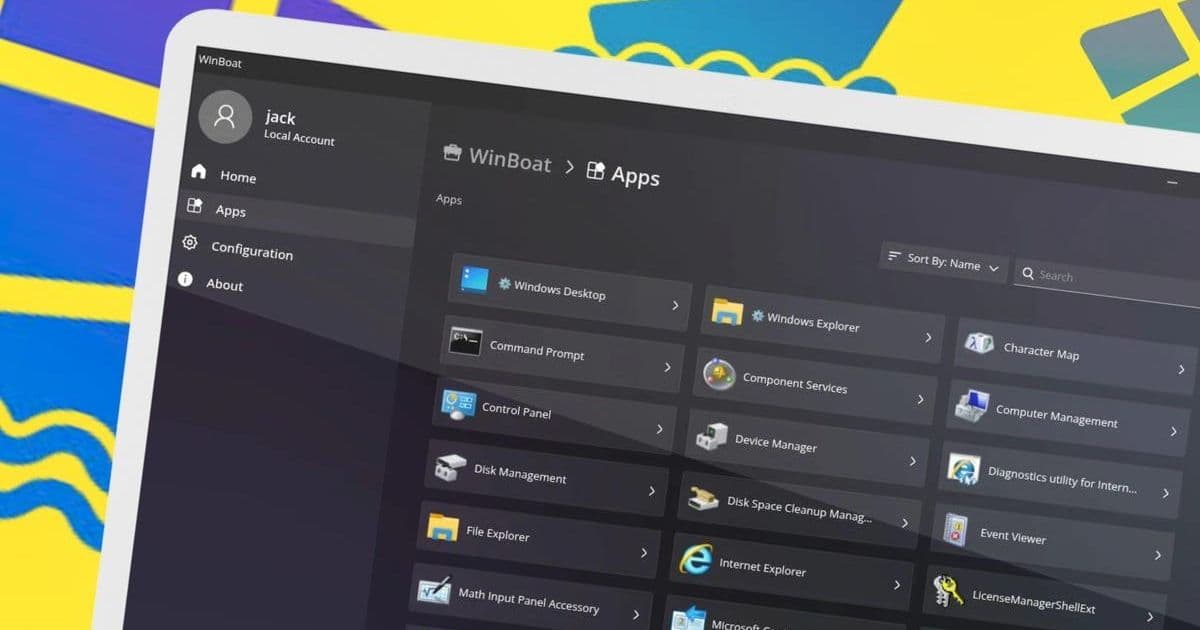
A new beta tool called Winboat is turning heads by containerizing Windows to run apps natively on Linux. Despite a complex setup, it offers an elegant interface and automated app installation. If developers streamline the installation, Winboat could revolutionize cross-platform app usage.
For decades, Linux users relied on compatibility layers like Wine to run Windows applications—a functional but often clunky experience requiring technical expertise. Tools like Proton improved gaming performance, but general app support remained fragmented. Enter Winboat, a beta-stage technology taking a radically different approach: instead of translating Windows API calls, it runs a full containerized Windows OS under Linux.
How Winboat Rewrites the Playbook
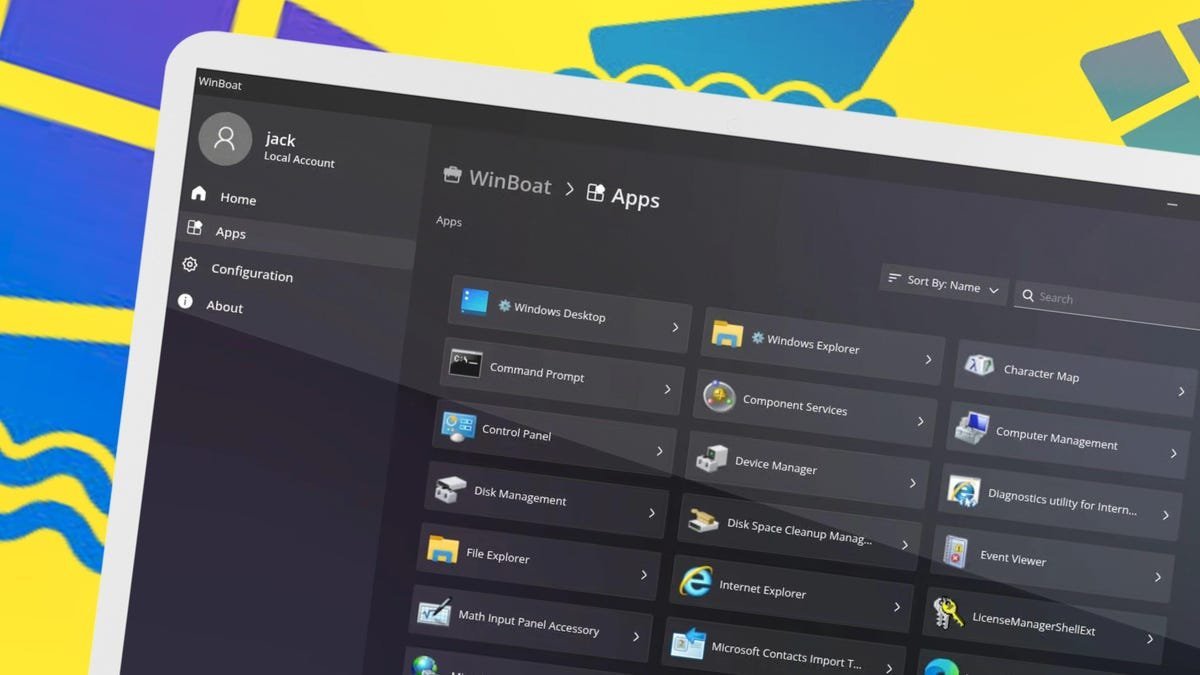
Winboat leverages Docker to spin up isolated Windows 10/11 containers, enabling native app execution without dual-booting or virtualization overhead. Key innovations include:
- Filesystem Integration: Seamless file access between host OS and container
- Automated Installations: One-click setup for curated Windows apps
- Resource Allocation: Customizable CPU/RAM allocation per container
- Desktop Access: Full Windows UI via FreeRDP (when functional)
"Unlike compatibility layers, Winboat runs Windows apps on their native platform—just encapsulated within Linux," explains the ZDNet hands-on review. This architecture sidesteps Wine's dependency headaches while offering cleaner isolation than virtual machines.
The Beta Reality: Power Meets Complexity
Current installation demands technical prowess. Users must:
- Enable KVM in BIOS/UEFI
- Install Docker and configure user permissions
- Load specific kernel modules (iptables_nat)
- Allocate substantial resources (4GB RAM, 32GB disk)
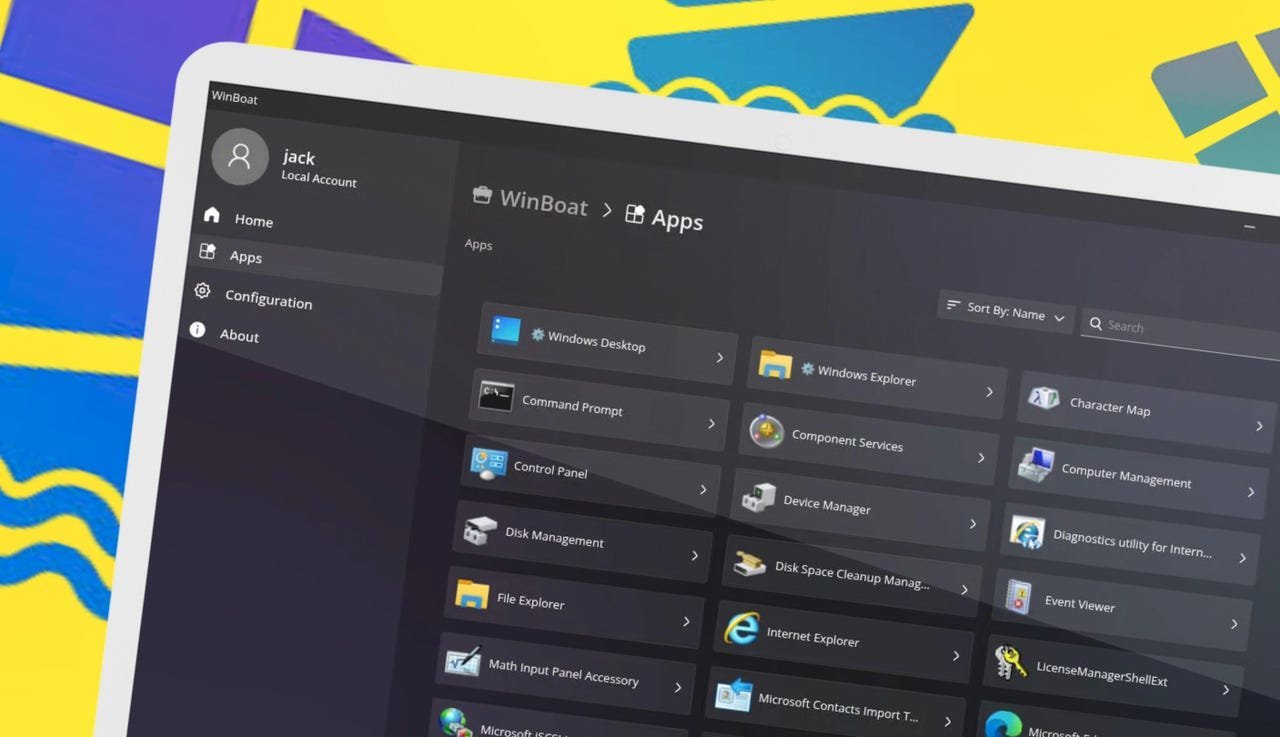 Winboat's interface simplifies app management once deployed. Credit: Jack Wallen/ZDNET
During testing, port conflicts required manual docker-compose.yaml edits—a hurdle Jack Wallen overcame by switching RDP ports. Despite hitting snags launching apps, the core concept proved solid. Windows 11 containers showed particular promise once initial connectivity issues were resolved.
Why This Matters Beyond Convenience
Winboat's success could reshape enterprise Linux adoption by eliminating "must-have Windows app" barriers. For developers, it offers:
- Simplified cross-platform testing environments
- Reduced reliance on cloud-based Windows VMs
- Potential CI/CD pipeline integrations
As the project evolves, simplifying deployment will be crucial. If Winboat's team delivers a polished stable release, it may finally offer the frictionless Windows app experience Linux users have sought for 30 years—proving containers can bridge OS divides where emulation fell short.
Source: ZDNet
Comments
Please log in or register to join the discussion