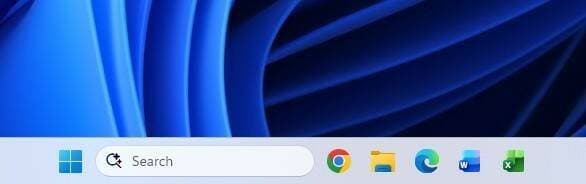
A former Microsoft Windows executive has shed light on why the Windows 11 taskbar cannot be moved or resized, revealing that the design choice was driven by a desire to create symmetrical panes for widgets and notifications, despite user backlash over reduced customization.
A former Microsoft Windows executive has finally explained why the Windows 11 taskbar cannot be moved or resized, confirming long-standing user suspicions that the decision was driven by Microsoft's push to promote widgets and other features at the expense of customization.
Mikhail Parakhin, who served as CVP of Technology at Microsoft, took to X (formerly Twitter) to reveal the design rationale behind one of Windows 11's most controversial changes. According to Parakhin, the decision to lock the taskbar in place stemmed from Microsoft's vision to create "symmetric panes" on the desktop interface.
The Widget-Driven Design Choice
The core of the issue, Parakhin explained, was Microsoft's desire to position different interface elements in specific locations. "The vision," he wrote, "was to create symmetric panes: you have notification/system controls/etc. pane on the right, Weather/Widgets/News pane on the left. That pushed start menu into the center position."
This design philosophy created a cascading effect. Once Microsoft decided to center the Start menu and position widgets on the left side of the screen, the taskbar's location became constrained. Parakhin noted that allowing the taskbar to be positioned vertically would have created conflicts with these other interface elements: "If you have taskbar vertically, it starts conflicting with the panes..."
A Departure from Windows Tradition
The inability to move or resize the taskbar represents a significant departure from Windows' historical approach to user customization. Parakhin himself acknowledged this break from tradition, writing that "Windows had it since 95, that's how I use it my whole life."
The Windows 11 taskbar can still be aligned to the left and set to automatically hide, but moving it to the top, left, or right sides of the desktop remains unsupported. This limitation has been a persistent source of frustration for many users who appreciated the flexibility offered in previous versions of Windows.
The Widgets Controversy
Microsoft's decision to prioritize widgets in Windows 11 has been controversial from the start. Widgets were introduced as a way to provide at-a-glance information and quick access to content, but many users found them intrusive and unnecessary. The fact that the taskbar design was influenced by the desire to accommodate widgets has only added fuel to the criticism.
Parakhin's explanation confirms what many users suspected: that Microsoft was willing to sacrifice a core customization feature in order to push its widget-centric vision for the operating system. This trade-off has been particularly galling for users who feel that Microsoft is increasingly dictating how they should use their computers rather than providing flexible tools that adapt to individual preferences.
Microsoft's Changing Approach to Customization
The taskbar controversy is part of a broader pattern of Microsoft reducing customization options in Windows 11. During Parakhin's tenure as CEO of Advertising and Web Services from 2022 to 2024, Microsoft also increased its focus on advertising within the operating system, further frustrating users who valued Windows for its flexibility and lack of intrusive marketing.
User Backlash and Potential Changes
Despite the design rationale, user dissatisfaction with the locked taskbar has been significant enough that reports have emerged suggesting Microsoft is working on bringing back some of the customization functionality present in Windows 10. However, Microsoft has not issued official confirmation of these plans.
Even Microsoft's own AI assistant, Copilot, appears to recognize the validity of user concerns. When asked "Should the taskbar of Windows be moveable?" Copilot responded: "A core principle of Windows has always been flexibility. Locking the taskbar to the bottom feels like a step backward in user control."
The Broader Context
The taskbar controversy reflects a tension between Microsoft's vision for Windows as a platform and users' expectations for control over their computing environment. While Microsoft clearly had specific design goals in mind for Windows 11, the decision to lock the taskbar has been perceived by many as prioritizing Microsoft's interests over user preferences.
As Windows continues to evolve, the question remains whether Microsoft will continue to make unilateral design decisions that limit user control, or whether it will return to its roots as an operating system that puts customization and flexibility at the forefront. For now, Windows 11 users are left with a taskbar that cannot be moved, a decision that Parakhin's explanation confirms was driven more by Microsoft's widget ambitions than by user needs.
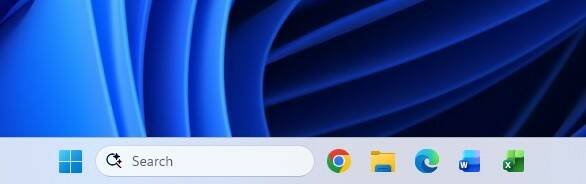
The Windows 11 taskbar, locked in place at the bottom of the screen, represents a significant departure from the customization options available in previous versions of Windows.
Comments
Please log in or register to join the discussion