Microsoft re‑introduces taskbar repositioning for Windows 11 Insiders and expands Start menu options. Meanwhile, a RISC‑V‑based OpenWrt router launches on Kickstarter, M5Stack unveils a 4‑inch color E‑Ink kit, GEEKOM refreshes its mini‑PC line for 2026, and Pine64 flags a batch‑wide power‑supply defect.
Windows 11 taskbar can move again – but only for Insiders
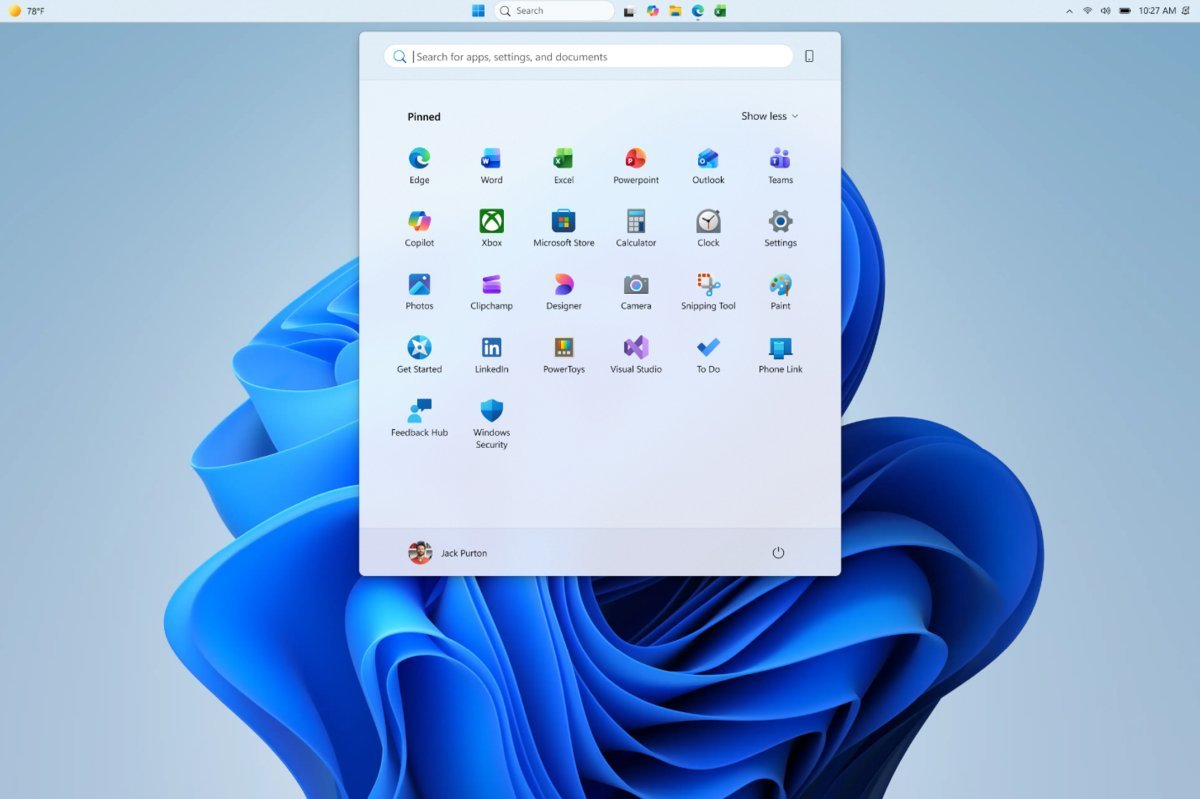
Microsoft has finally restored the ability to drag the taskbar to the top, left, or right of the screen, a feature that disappeared after the initial Windows 11 release. The change is gated behind the Windows 11 Insider Preview program and is only available on the latest experimental build (22H2 Build 22631.4249 at time of writing).
What this means for developers – UI‑heavy apps that rely on a bottom‑anchored taskbar can now test layout adjustments for alternative positions without waiting for a stable release. The new setting lives under Settings → Personalization → Taskbar → Taskbar behaviors → Taskbar alignment and adds a Taskbar location on screen dropdown.
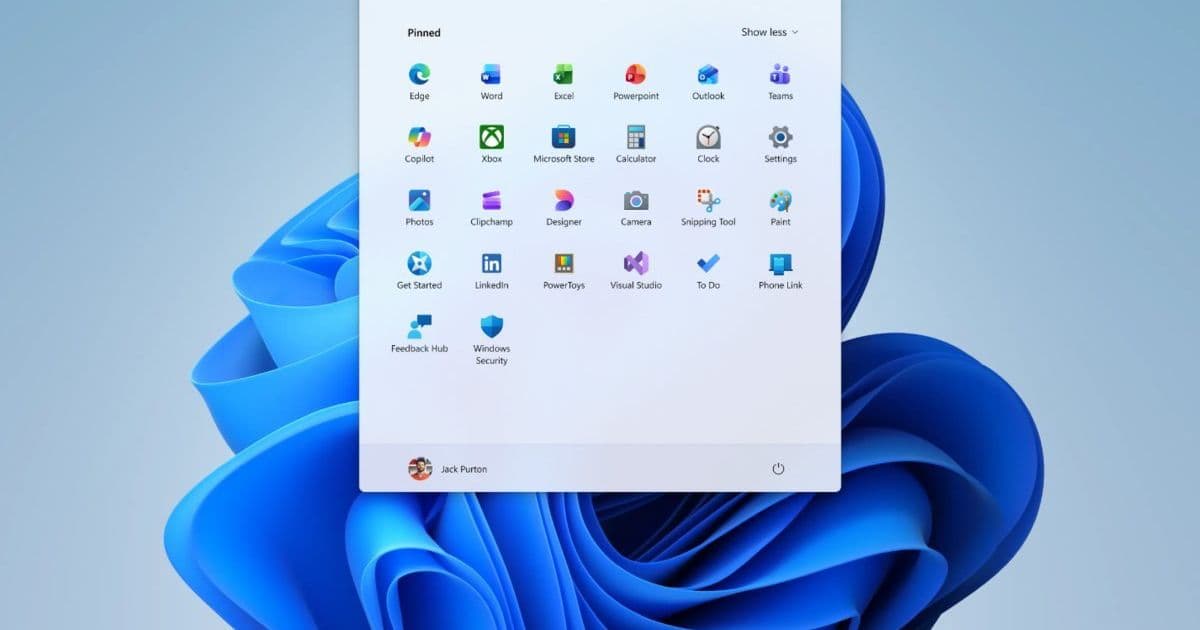
In addition, Insiders receive a set of Start menu customizations: new folder pinning options, the ability to hide recent apps, and a refreshed layout that better separates pinned items from recommended content. These tweaks are still experimental, but they give developers early insight into how users might organize their workspace on future builds.
Crowdfunding a RISC‑V router – Lilbits
A Kickstarter campaign titled Lilbits is seeking $150 k to produce a Wi‑Fi router built around a RISC‑V SiFive E21 core. The device runs a fork of OpenWrt, offering the same package ecosystem as traditional ARM‑based routers while showcasing the low‑power potential of RISC‑V for networking.
- CPU: SiFive E21, 1 GHz, 32‑bit RISC‑V
- RAM / Storage: 256 MiB DDR3, 128 MiB eMMC (expandable via micro‑SD)
- Connectivity: Dual‑band 802.11ac, 2× Gigabit Ethernet, optional 4G LTE module
- Software: Custom OpenWrt branch with RISC‑V toolchain support, pre‑configured firewall and VPN profiles
For mobile developers, the router could serve as a low‑cost, open‑source gateway for testing IoT devices that communicate over Wi‑Fi or LTE. The RISC‑V architecture also means the same binary can be cross‑compiled from macOS, Windows, or Linux using the standard GNU toolchain.
Funding link: Lilbits on Kickstarter
M5Stack launches a 4‑inch E‑Ink Spectra 6 color kit
M5Stack’s newest development kit, the M5Paper Color, pairs a 4‑inch E‑Ink Spectra 6 panel (up to 6‑color grayscale) with the familiar ESP‑32‑S3 MCU. The board includes a built‑in battery charger, a 2‑line OLED for debugging, and a set of programmable buttons.
- Display: 4" 640 × 400 px E‑Ink Spectra 6, 6‑color palette, 0.5 Hz refresh
- Processor: ESP‑32‑S3, dual‑core Xtensa LX7, 240 MHz
- Memory: 8 MiB SRAM, 16 MiB flash (expandable via SPI flash)
- Connectivity: Wi‑Fi 802.11b/g/n, Bluetooth 5.0, optional LoRa module
- Power: 3.7 V Li‑Po, USB‑C charging, low‑power deep‑sleep modes
The kit targets wearables, low‑power dashboards, and e‑reader prototypes. For cross‑platform developers, the ESP‑32‑S3 can be programmed with the Arduino core, PlatformIO, or Espressif IDF, and the display driver is available through the M5Unified library, which abstracts the hardware for both Android‑style UI frameworks and traditional embedded graphics stacks.
Product page: M5Stack M5Paper Color
GEEKOM mini‑PC receives a modest 2026 spec bump
GEEKOM’s MiniIT X2 line, popular among hobbyists for its compact footprint, now ships with a slightly upgraded configuration:
- CPU: Intel Core i5‑1335U (up from i3‑1315U)
- RAM: 16 GiB DDR5‑5600 (previously 8 GiB DDR4)
- Storage: 512 GiB NVMe SSD (option for 1 TiB)
- Ports: Added HDMI 2.1, retained USB‑C Power Delivery, dual‑mode DisplayPort
The change is modest but meaningful for developers who run Android emulators, compile iOS code with Xcode on macOS (via remote build servers), or test cross‑platform UI frameworks like Flutter or React Native on a true x86_64 environment. The device still fits under a 150 mm × 150 mm footprint, making it a viable dock for a 14‑inch laptop.
Official specs: GEEKOM MiniIT X2 2026
Pine64 alerts users to a faulty batch of PinePower supplies
Pine64 has issued a safety notice for PinePower 65 W units produced between January and March 2026 (batch numbers PP‑2026‑01 to PP‑2026‑03). The issue stems from a capacitor tolerance error that can cause intermittent over‑voltage, potentially damaging attached SBCs such as the RockPro64 or PinePhone Pro.
- Symptoms: Random power‑off events, USB‑C port heating, occasional brown‑out warnings in the OS logs.
- Resolution: Users are advised to replace the affected supplies with the PinePower 65 W v2 revision, available from the official store. Pine64 will honor returns for the defective units and ship replacements at no charge.
Developers relying on stable power for long‑duration builds or continuous integration (CI) pipelines should verify their power adapters and consider adding a UPS for critical hardware.
Safety notice: Pine64 Power Supply Advisory
Quick links to the stories above
- Windows 11 taskbar repositioning – Insider build details
- Lilbits RISC‑V router Kickstarter
- M5Stack 4" E‑Ink Spectra 6 dev kit
- GEEKOM MiniIT X2 2026 refresh
- Pine64 PinePower batch warning
Stay tuned for further updates on these projects, and keep an eye on the Windows Insider Blog for the next round of UI refinements.
Comments
Please log in or register to join the discussion