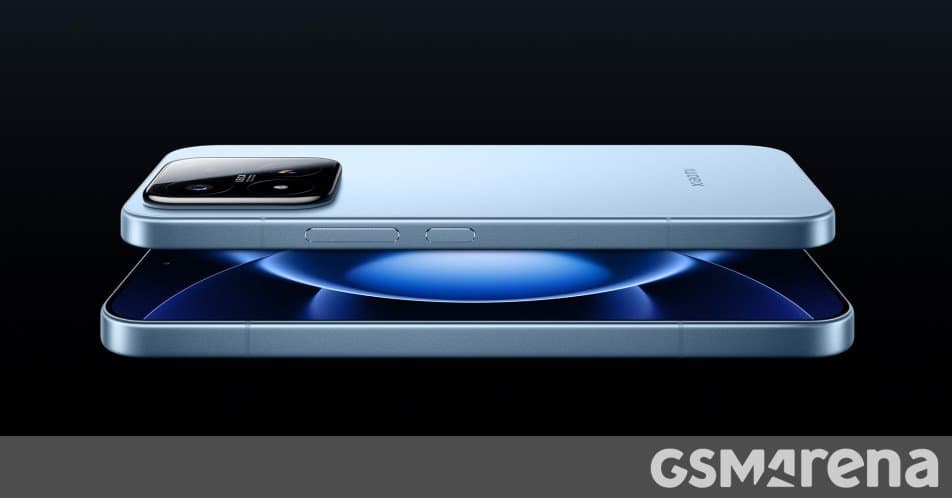
Xiaomi’s new 17 Max adds a 200 MP Samsung HP9 sensor, an 8,000 mAh silicon‑carbon battery and Snapdragon 8 Elite Gen 5, positioning it as a high‑capacity, camera‑centric alternative to the 17 Pro Max.
 )
)
Announcement
Xiaomi has officially unveiled the fourth member of its 17 series – the Xiaomi 17 Max. While it skips the secondary rear‑display that the 17 Pro Max flaunts, it compensates with a massive 200 MP primary sensor and an 8,000 mAh silicon‑carbon (Si‑C) battery. The device ships in China on 21 May 2026 and runs Xiaomi’s latest HyperOS 3, built on Android 16.
Key hardware features
- Display: 6.9‑inch AMOLED panel, 2,608 × 1,200 px resolution, 120 Hz refresh rate, up to 3,500 nits peak brightness. The punch‑hole houses a 32 MP selfie camera and an ultrasonic fingerprint sensor.
- Camera system:
- Main: 200 MP Samsung HP9 sensor, f/1.65 aperture, 13.5 EV dynamic range, OIS.
- Telephoto: 50 MP 3× optical zoom that also doubles as a macro lens.
- Ultra‑wide: 50 MP sensor with 17 mm equivalent focal length.
- Battery: 8,000 mAh Si‑C cell rated for over 2 days of typical use. Xiaomi claims the battery retains 80 % capacity after 1,600 charge cycles (roughly four years of daily charging). Fast charging supports 100 W wired, 50 W wireless, and 22.5 W reverse wired power sharing.
- Performance: Snapdragon 8 Elite Gen 5 SoC, up to 16 GB LPDDR5X RAM, 512 GB UFS 4.1 storage.
- Durability: Full IP68 and IP69 ingress protection, making it resistant to dust, water and even high‑pressure jets.
- Software: HyperOS 3, Xiaomi’s custom skin that adds deeper integration with the Mi ecosystem, AI‑enhanced camera modes, and a refined multitasking UI.
Ecosystem context and lock‑in considerations
The 17 Max is clearly aimed at users already invested in Xiaomi’s ecosystem. HyperOS 3 syncs tightly with Mi Home devices, Mi Wearables and the Mi Cloud. Features such as Mi Share allow instant file transfers between Xiaomi phones, tablets and laptops without a cable, while Mi Cloud backs up photos, app data and settings across devices. This convenience can make switching to a non‑Xiaomi handset feel like losing a lot of functionality.
On the other hand, the phone runs a near‑stock Android base, which eases the transition for Android purists. The Snapdragon 8 Elite Gen 5 is a globally supported chipset, meaning custom ROMs and third‑party Android builds will likely appear after the usual 90‑day unlock window. For power users who value openness, the device does not lock the bootloader permanently, but Xiaomi’s heavy skin and pre‑installed Mi services may still require extra steps to achieve a clean Android experience.
How the specs compare in the current market
- Camera: A 200 MP sensor puts the 17 Max alongside the likes of the Samsung Galaxy S Ultra line and the Xiaomi 13 Ultra. The HP9 sensor’s large pixel size and OIS give it an edge in low‑light scenarios, while the 50 MP telephoto and ultra‑wide lenses keep the overall system balanced.
- Battery: At 8,000 mAh, the 17 Max eclipses most flagship batteries, which typically sit between 4,500 mAh and 5,500 mAh. The Si‑C chemistry offers faster charge acceptance and better cycle life than conventional lithium‑polymer cells, a trend we’re seeing more of in premium devices.
- Performance: Snapdragon 8 Elite Gen 5 is the newest flagship SoC, delivering a modest uplift over the previous generation’s 8 Gen 4 in AI workloads and GPU efficiency. Coupled with LPDDR5X, the phone should stay snappy for at least three years of Android updates.
Pricing and availability
In China, the base 12 GB/256 GB model starts at CNY 4,799 (≈ $705/€609). The top‑end 16 GB/512 GB variant is priced at CNY 5,799 (≈ $853/€735). Xiaomi has not yet announced a global rollout, but past flagship launches suggest a European or Indian release within a few months, likely with a modest price increase due to taxes and import duties.
What this means for Xiaomi fans
The 17 Max offers a compelling mix of a massive sensor, industry‑leading battery capacity and a fast‑charging suite, all wrapped in a familiar HyperOS experience. For users who prioritize camera versatility and all‑day endurance without the gimmick of a rear‑display, the Max variant feels like a logical next step. However, potential buyers should weigh the ecosystem lock‑in – especially if they rely heavily on Mi services – against the hardware advantages.
For the full spec sheet and official announcement, visit the Xiaomi 17 Max page.
Comments
Please log in or register to join the discussion