
Apple’s 2027 roadmap points to a “quad‑curved” display that wraps around all four edges, under‑display Face ID and a hole‑punch‑free front camera. The leak hints at three models – iPhone 19 Pro, 19 Pro Max and the anniversary iPhone 20/XX – that could render the upcoming iPhone 18 Pro a transitional step.
Apple’s next design leap: quad‑curved, all‑screen iPhones
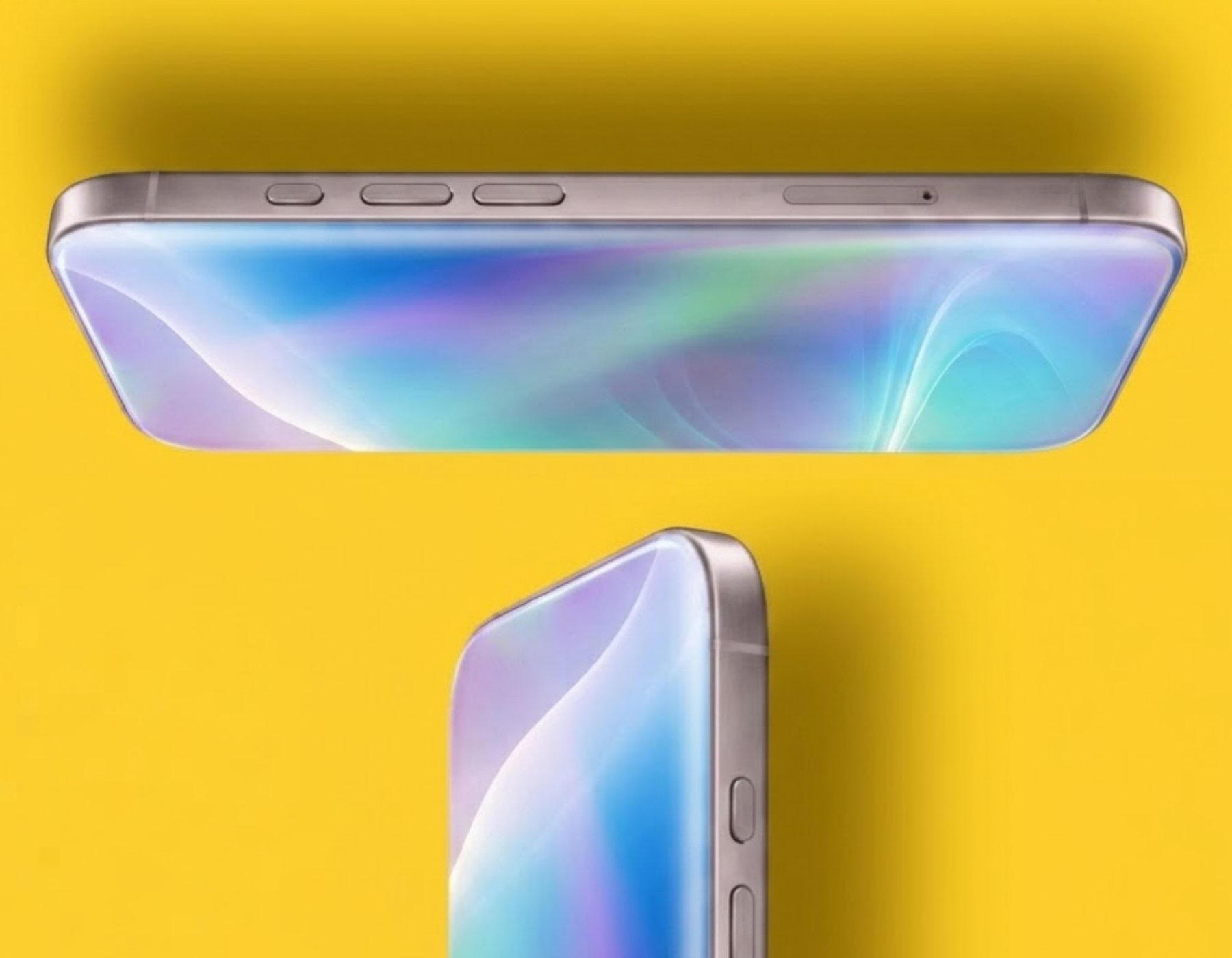
Apple’s design team is reportedly in the final testing phase of a quad‑curved OLED panel for its 2027‑2028 flagship line‑up. Unlike today’s “edge‑to‑edge” screens that still have a flat bezel on at least two sides, the new glass would curve uniformly over the top, bottom and both sides, creating a truly all‑screen silhouette.
What’s new?
| Model | Expected launch | Display | Notable tech |
|---|---|---|---|
| iPhone 19 Pro | Early 2027 (prototype testing) | 6.4‑inch quad‑curved OLED, 120 Hz LTPO | Under‑display Face ID, hole‑punch‑free front camera |
| iPhone 19 Pro Max | Mid‑2027 | 6.8‑inch quad‑curved OLED, 120 Hz LTPO | Same sensor package as Pro, larger battery |
| iPhone 20 / iPhone XX | Late 2027 (anniversary edition) | 6.7‑inch quad‑curved OLED, 120 Hz LTPO, all‑screen (no cutouts) | Full under‑display camera array, COE‑OLED panel |
| iPhone 19 | Spring 2028 | 6.1‑inch OLED, conventional flat edges | Mid‑range SoC, retains notch |
| iPhone Air | Spring 2028 | 6.1‑inch OLED, flat edges | A‑series chip, lower‑cost glass |
The centerpiece is the Color Filter on Encapsulation (COE) technology that Apple is co‑developing with Samsung. COE allows the OLED’s organic layers to be encapsulated under a thin glass sheet while still integrating a color filter directly onto the panel. The result is a panel that can bend without compromising colour accuracy or peak brightness – a hurdle that has limited previous attempts at fully curved phones.
How it stacks up against the current generation
| Feature | iPhone 14 Pro (2022) | iPhone 18 Pro (2025) | Quad‑curved 2027 models |
|---|---|---|---|
| Bezel width | 2 mm (top/bottom) | 1.5 mm (top) | <0.5 mm on all sides |
| Front‑camera cutout | Dynamic Island (pill) | Smaller punch‑hole | None – under‑display sensor |
| Refresh rate | 120 Hz LTPO | 120 Hz LTPO | 120 Hz LTPO (same) |
| Brightness | 2000 nits (peak) | 2100 nits | 2200 nits (COE OLED) |
| Weight | 206 g (6.1‑inch) | 210 g (6.1‑inch) | ~215 g (6.4‑inch), ~225 g (6.8‑inch) |
| Battery life | Up to 22 h video playback | Up to 23 h | 24‑25 h (larger cells) |
The most visible change is the elimination of any visible edge or cutout. The iPhone 18 Pro still carries a reduced Dynamic Island, but the new design would push the front‑camera and Face ID sensors beneath the display, a step Apple has teased since the 2023 iPhone 15 Pro series. In practice, that means a truly uninterrupted viewing area and a more immersive AR experience.
Who will benefit?
- Power users who crave maximum screen real‑estate – the quad‑curved panel adds roughly 7 % more usable area compared with the iPhone 18 Pro, which matters for multitasking, split‑screen apps and mobile gaming.
- AR/VR developers – a bezel‑less display reduces optical distortion at the edges, improving head‑mounted experiences that rely on precise visual fidelity.
- Design‑conscious buyers – the seamless glass look is a clear aesthetic upgrade; it also signals Apple’s willingness to push manufacturing limits, a point that can sway premium‑segment shoppers.
- Budget‑oriented customers – the iPhone 19 and iPhone Air will still carry conventional flat panels, so those who prefer a lower entry price can wait for the 2028 wave without missing out on the new form factor.
Potential drawbacks
- Fragility – a fully curved glass panel is inherently more vulnerable to edge impacts. Apple will need to pair the display with a stronger frame (likely titanium) and possibly a new adhesive system to meet MIL‑STD‑810H drop standards.
- Repair cost – current iPhone screen replacements already top $300; a quad‑curved panel could push that figure well beyond $400, especially if the under‑display camera module requires specialized tools.
- Under‑display sensor performance – early prototypes of under‑display cameras have struggled with low‑light noise. Apple will have to prove that the 2027 sensor matches the 12‑MP TrueDepth system’s portrait‑mode quality.
How realistic is the timeline?
The leak originates from a well‑connected tipster who has previously supplied accurate information on the iPhone 13 Pro Max’s camera module. The mention of production testing for the iPhone 19 Pro aligns with Apple’s typical 12‑month cadence: a prototype phase in Q2 2026, engineering samples in Q4 2026, and a launch in early 2027. The anniversary iPhone 20/XX, slated for late 2027, would give Apple enough runway to iron out any yield issues with the COE OLED process.
Apple’s partnership with Samsung on “micro‑curved” panels is already documented in a Samsung Display press release from early 2025. Samsung’s own road‑map shows a pilot line for 2026‑2027, which matches the timeline suggested by the leak.
Bottom line
If Apple can deliver a reliable quad‑curved OLED with an under‑display Face ID and camera, the iPhone 20/XX will set a new visual benchmark for smartphones. The design will make the iPhone 18 Pro feel like a stop‑gap model, much like the iPhone 12 mini did after the iPhone 11 series. Early adopters and power users should mark the second half of 2027 for a potential upgrade, while those who prefer a more conservative form factor can still look forward to the iPhone 19 and iPhone Air in 2028.
Stay tuned for hands‑on impressions once the engineering samples reach our lab.
Comments
Please log in or register to join the discussion