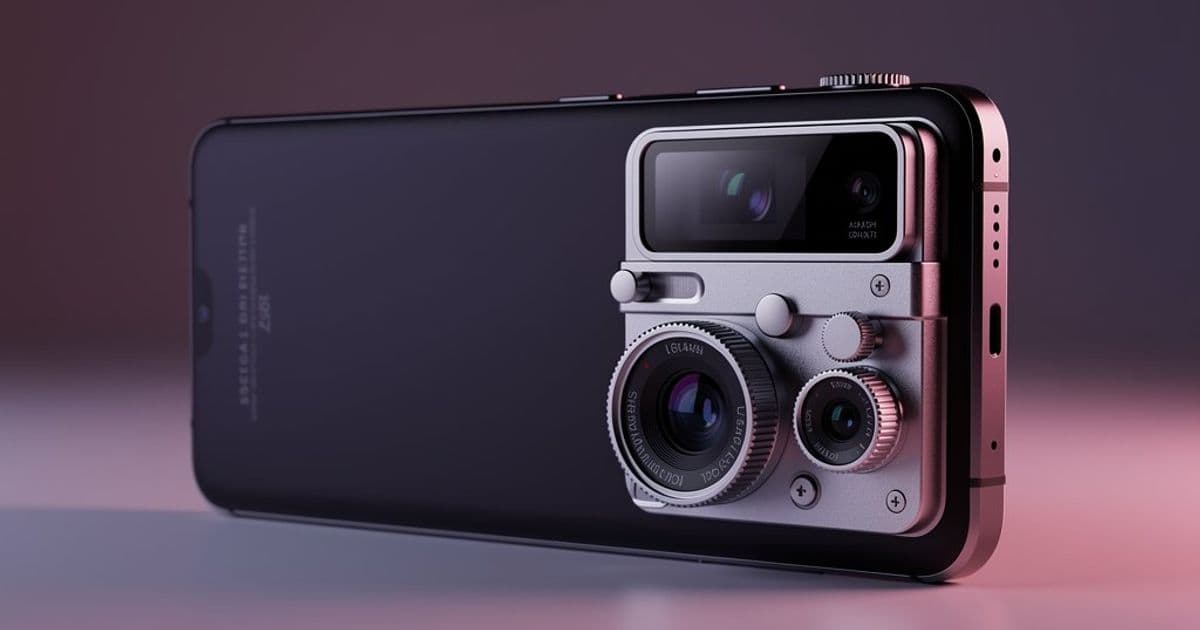
Xiaomi's new Leica partnership edition brings mechanical controls, exclusive camera modes, and a distinct design that aims to capture the soul of traditional rangefinder photography.
Xiaomi has officially brought the 17 Ultra by Leica into our review lab, and this isn't just another co-branded smartphone with a logo slapped on the back. The company has created a special edition that attempts to translate the tactile experience and visual character of Leica's M-series rangefinders into a modern Android flagship.
What Makes It Different
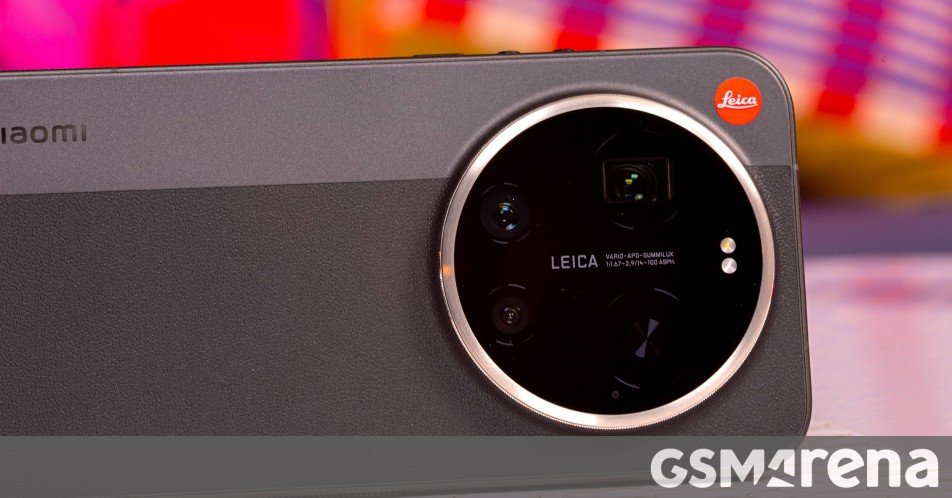
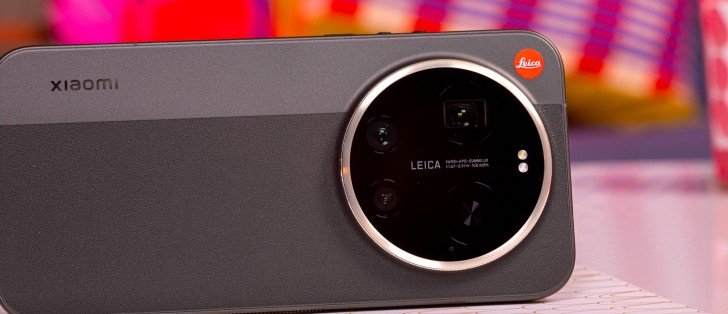
The Leica edition commands a premium over the standard model—CNY 7,999 for 512GB and CNY 8,999 for 1TB, compared to CNY 6,999-8,499 for the regular Xiaomi 17 Ultra. That extra cost brings more than just cosmetics. The phone features an exclusive dual-tone finish where the bottom half uses a leatherette material while the top plate mimics the brassing on Leica M camera tops. A red dot logo completes the camera-inspired aesthetic.
The physical differences extend to the frame itself, which now features knurling for better grip. Along the left edge, you'll find "Leica Camera Germany" etched into the metal—subtle but meaningful details for photography enthusiasts.
The Control Ring: Mechanical Meets Digital
Perhaps the most innovative addition is the Control Ring, a mechanically-rotating ring encircling the camera island. This isn't a touch-sensitive bezel but a true mechanical ring that lets you zoom between focal lengths. The ring physically rotates to switch between the 75mm and 100mm equivalents, providing that satisfying tactile feedback that digital zoom sliders can never replicate.
Inside the camera software, Xiaomi has implemented deep color tuning that goes beyond simple filters. The system has been calibrated to produce specific "looks" that mirror classic Leica characteristics.
Exclusive Leica Modes
The special edition comes preloaded with shooting modes that aim to recreate the distinctive rendering of specific Leica cameras:
Leica M9 Mode: This references the first full-frame digital Leica rangefinder, which used a rare Kodak-developed CCD sensor rather than the CMOS sensors found in virtually all modern cameras. That CCD sensor developed a cult following for its unique color science—rich, film-like tones that digital photographers still chase today. The mode attempts to replicate that character.
Leica M3 + Monopan 50 Mode: This produces high-contrast black and white images with deep, nearly crushed shadows, mimicking the look of Leica's M3 rangefinder loaded with Monopan 50 film.
These aren't just Instagram-style filters. Xiaomi claims to have implemented "high-end, in-depth color tuning" within the camera system's processing pipeline to authentically recreate these looks.
The Hardware Foundation
Underneath all the Leica specializations sits the Xiaomi 17 Ultra's already impressive camera hardware. The zoom system has been redesigned this year, moving from two separate cameras (70mm f/1.8 and 100mm f/2.6) to a single variable zoom lens covering 75mm to 100mm with apertures ranging from f/2.39 to f/2.96.
The sensor behind this zoom system is the same 200MP 1/1.4-inch unit that has dominated Xiaomi's Ultra line for the past two years. This sensor delivered exceptional zoom quality in the Xiaomi 15 Ultra, and we'll need to verify whether the new variable zoom lens maintains that standard.
The display has grown slightly to 6.9 inches, but Xiaomi has reduced bezel size and trimmed the thickness by 1mm to keep the device feeling similar to its predecessor. In hand, the difference is barely noticeable.
What Comes in the Box
The Leica edition's photo-centric focus extends to the accessories. Along with the 100W charger and braided USB-A to USB-C cable, you get:
- A premium case designed to work with the Control Ring
- A metal Leica lens cap for the case
- A red wrist strap matching Leica's classic camera straps
- A leather wiping cloth for lens cleaning
The Bigger Picture
This special edition represents Xiaomi's continued evolution from "value flagship" to legitimate premium player. By partnering with Leica not just for branding but for actual hardware and software integration, Xiaomi is positioning the 17 Ultra as a serious tool for mobile photographers who appreciate the heritage and character of traditional cameras.
The Control Ring is particularly interesting because it addresses a common complaint about smartphone photography—the lack of tactile controls. While other manufacturers have added customizable action buttons or touch-sensitive bezels, Xiaomi's mechanical ring offers something closer to the physical dials found on dedicated cameras.
We'll need to spend more time with the Xiaomi 17 Ultra by Leica to determine whether these special features deliver real photographic value or if they're mostly aesthetic additions. The camera modes, in particular, will need testing to see if they truly recreate the distinctive looks they claim to replicate, or if they're closer to clever marketing.
For now, the hardware feels substantial and thoughtfully designed. The knurled frame provides excellent grip, the mechanical ring has a satisfying click to its rotation, and the leatherette material adds warmth to what is otherwise a very modern glass-and-metal device.
Xiaomi has asked for patience while they complete their review process, suggesting they have more to share about the software features and camera performance. We'll be putting this special edition through its paces to see if it justifies the premium over the standard Xiaomi 17 Ultra and whether it truly captures the essence of Leica's photographic philosophy.
Comments
Please log in or register to join the discussion