
Xiaomi's new Pad 8 Pro brings flagship performance to the Android tablet market with its Snapdragon 8 Elite chipset, 144Hz display, and competitive pricing that undercuts rivals like the Galaxy Tab S11 and OnePlus Pad 3.
Xiaomi has expanded its tablet lineup with the global launch of the Pad 8 Pro, a high-performance Android tablet that directly challenges established premium devices in the market. The tablet, which debuted in China in September 2025, brings flagship-level specifications at a price point that could disrupt the competitive landscape of high-end Android tablets.
At the heart of the Pad 8 Pro lies Qualcomm's Snapdragon 8 Elite chipset, positioning it alongside the most powerful Android tablets available today. This processor upgrade represents a significant leap from the standard Pad 8, which likely uses a mid-range chipset. The Snapdragon 8 Elite delivers substantial performance gains that will be immediately noticeable in demanding applications, multitasking scenarios, and graphics-intensive tasks like gaming or creative work.
One of the most compelling aspects of the Pad 8 Pro is its display technology. Both the Pro and standard Pad 8 models feature an 11.2-inch panel with a 144Hz refresh rate, 800 nits of peak brightness, and a 3.2K resolution. This high-refresh-rate display ensures smooth scrolling and responsive touch interactions, making it particularly appealing for gamers and users who value fluid UI animations. The 800-nit brightness rating suggests good outdoor visibility, though real-world testing will be needed to verify its performance in direct sunlight.
Battery life and charging capabilities show thoughtful differentiation between the two models. Both tablets house a substantial 9,200 mAh battery, promising all-day usage for most users. However, the Pro model supports 67W fast charging compared to the standard version's 45W. This 50% increase in charging speed means users can top up their device much more quickly, a practical advantage for those who need to recharge during short breaks.
Camera specifications also see an upgrade on the Pro model, though Xiaomi hasn't disclosed specific sensor details. Higher-end cameras on tablets are often overlooked, but they can be valuable for video calls, document scanning, and casual photography when the tablet is the most convenient device available.
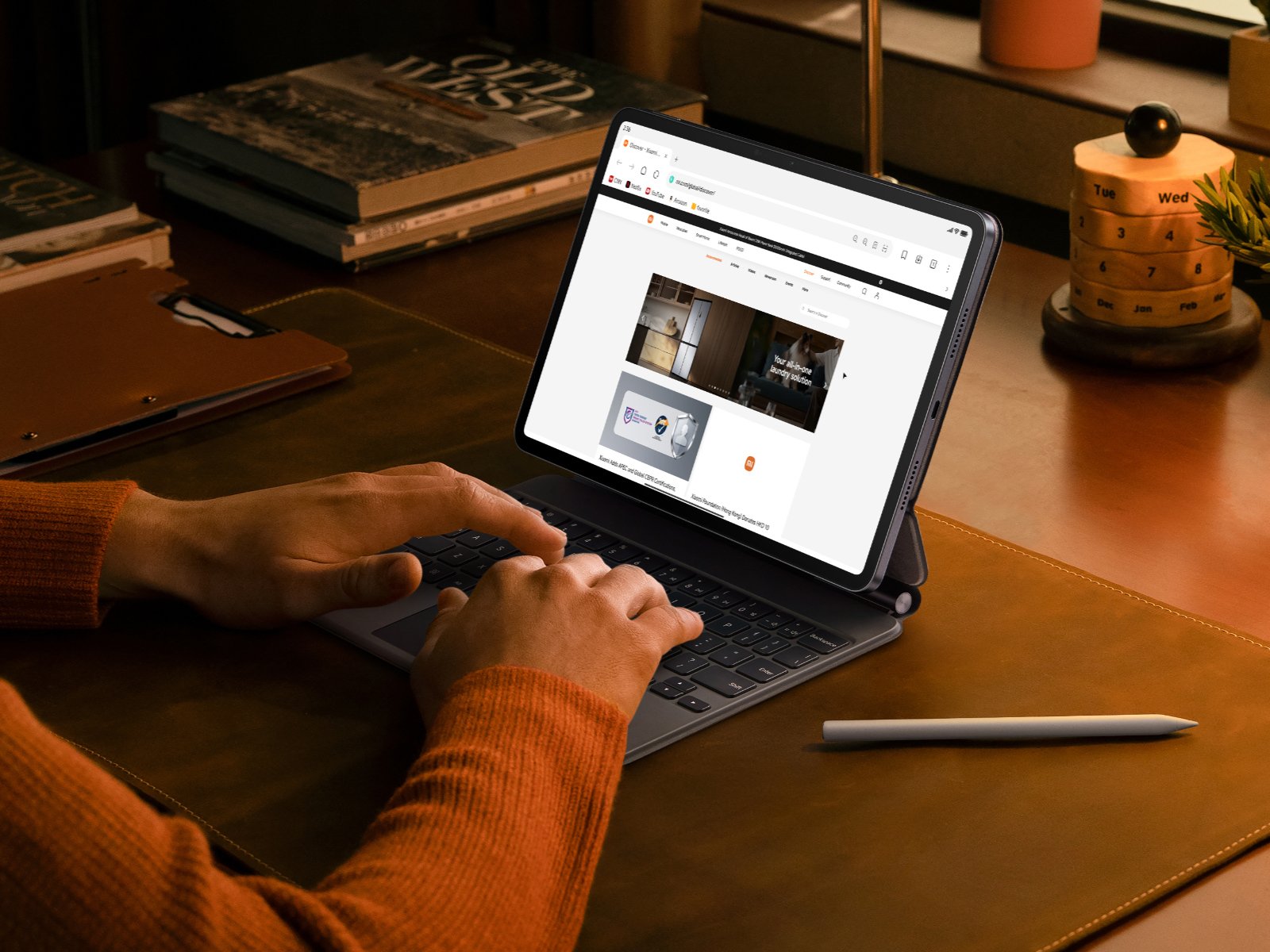
Memory and storage configurations offer flexibility for different user needs. The Pad 8 Pro starts at 8GB RAM with 256GB storage, with an upgrade option to 12GB RAM and 512GB storage. This configuration flexibility allows users to choose based on their multitasking requirements and media storage needs. The higher-tier model comes bundled with the Focus Pen Pro and a keyboard accessory at no additional cost, effectively creating a productivity-focused package that could appeal to students and professionals.
Pricing strategy appears aggressive, with the 256GB model launching at €599 ($705) and the 512GB variant at €699 ($825). Xiaomi is offering an early-bird discount of €80 on the base model until March 14, bringing it down to €519 (~$613). This pricing positions the Pad 8 Pro competitively against alternatives like the OnePlus Pad 3 (currently $628 on Amazon for used units) and potentially undercuts Samsung's Galaxy Tab S11, though direct comparisons will depend on the specific configurations and regional pricing of competing devices.
The Pad 8 Pro's global release represents Xiaomi's continued push into the premium tablet segment, where it has historically been less dominant than in the smartphone market. By combining flagship performance with competitive pricing and thoughtful features like the high-refresh-rate display and fast charging, Xiaomi is positioning itself as a serious contender in the high-end Android tablet space.
For users considering an upgrade or entering the tablet market, the Pad 8 Pro offers a compelling package that balances performance, features, and value. Its Snapdragon 8 Elite chipset ensures future-proofing for demanding applications, while the display and battery specifications cater to both entertainment and productivity use cases. The aggressive pricing, especially during the launch period, makes it an attractive option for those seeking premium tablet experiences without the premium price tag typically associated with flagship devices.
Comments
Please log in or register to join the discussion