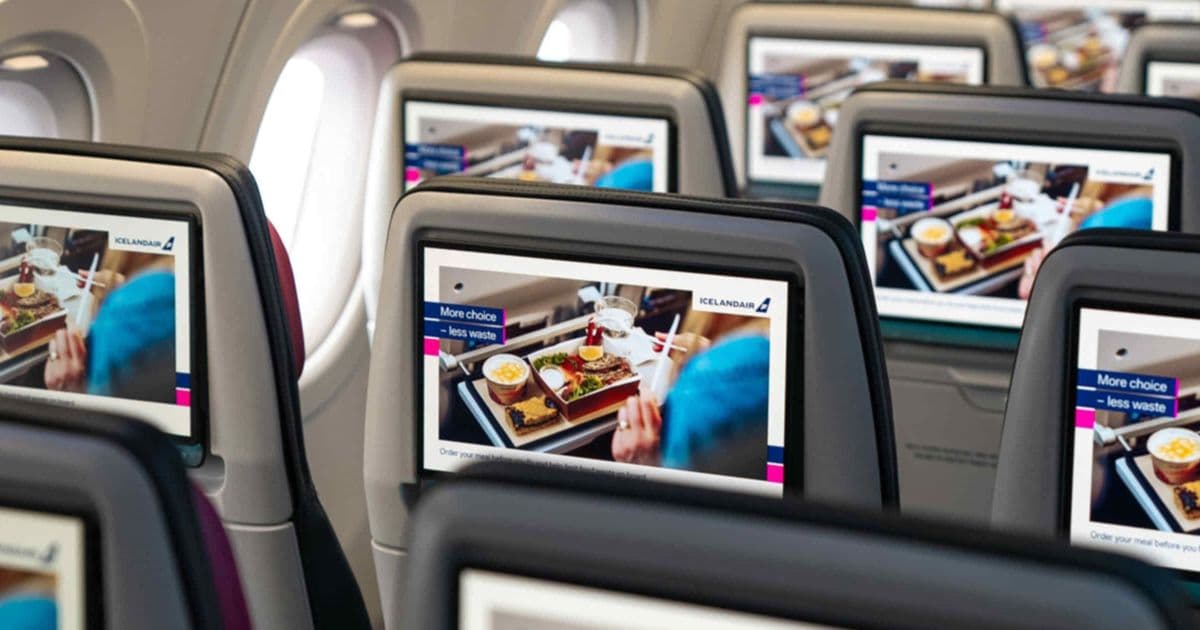
Panasonic Holdings has found a growth model through its in-flight entertainment systems, which are used by all top 20 airlines and demonstrate how sustainable revenue can be achieved by developing products that meet and evolve with the needs of airlines and passengers.
Panasonic Holdings has discovered a growth model through its in-flight entertainment systems, which are used by all top 20 airlines and demonstrate how sustainable revenue can be achieved by developing products that meet and evolving with the needs of airlines and passengers.
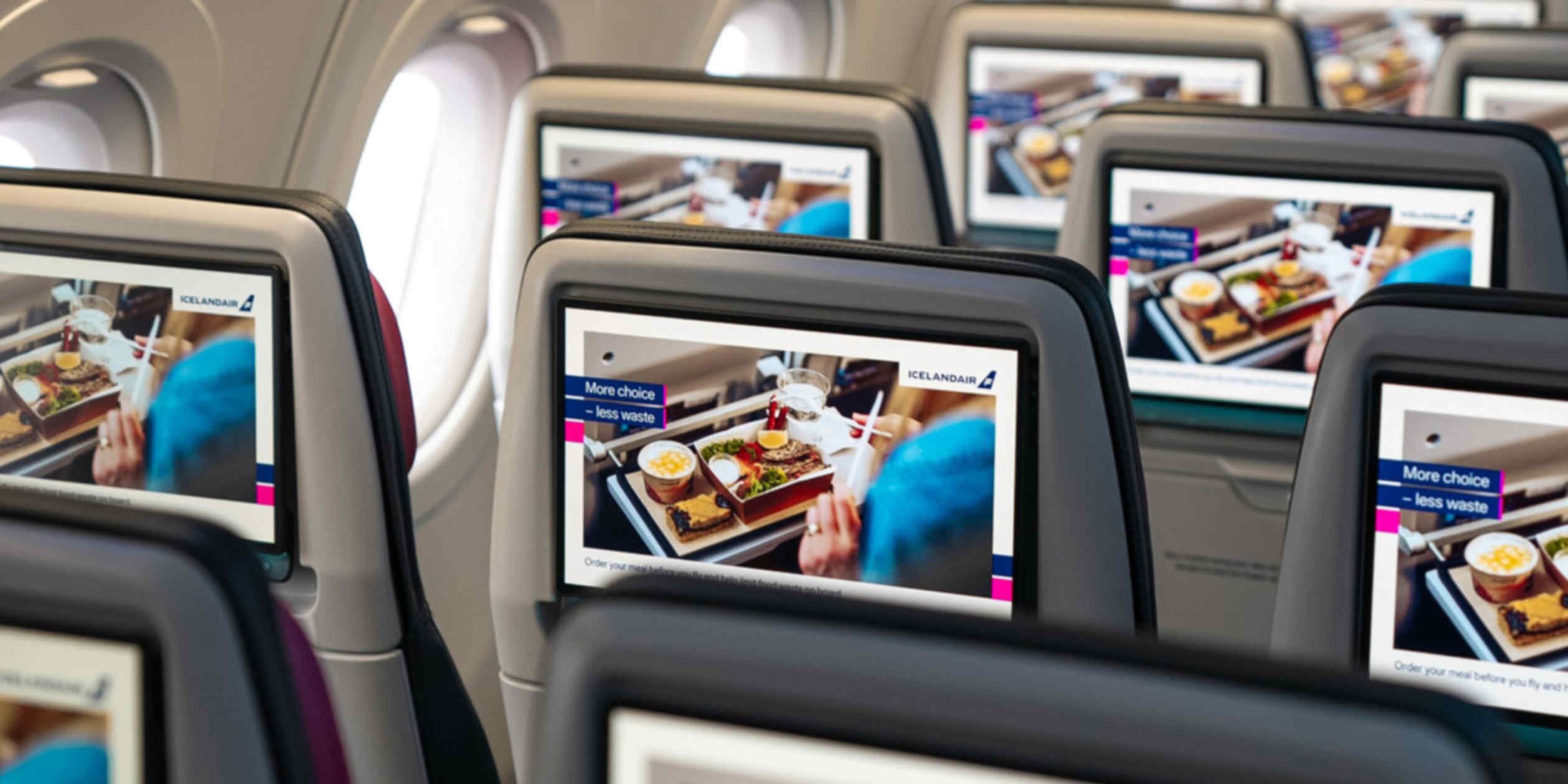
In-flight entertainment systems have become a growth model for Panasonic Holdings, showing how sustainable revenue can be achieved by developing products that meet and evolve with the needs of airlines and passengers.
The Japanese electronics giant's aviation division, Panasonic Avionics, has carved out a profitable niche in the highly competitive aerospace industry by focusing on passenger experience technology. The company's systems are now deployed across all of the world's top 20 airlines, according to industry ratings for entertainment quality.
Panasonic's success in this sector stands in contrast to challenges the company faces in other areas. While the company has struggled to find growth in its traditional consumer electronics business and has seen its artificial intelligence initiatives stall, the aviation division has provided a blueprint for sustainable business development.
The company's latest offering, the Astrova system, exemplifies this approach. The system features personalization capabilities that allow airlines to tailor content to individual passengers, a modular design that makes maintenance and upgrades easier, and reduced weight compared to previous generations. These features address key concerns for airlines: passenger satisfaction, operational efficiency, and fuel economy.
This success story is particularly noteworthy given Panasonic's broader challenges. The company has faced difficulties in planting seeds for growth as its AI push stalls, and its construction unit sees huge opportunities in China's home renovation market with partnerships like YKK. Meanwhile, the company has been betting on AI infrastructure as it focuses beyond electric vehicle batteries, as demonstrated at CES 2026.
The in-flight entertainment business model offers several lessons for Panasonic's overall strategy. First, it demonstrates the value of developing products that serve essential needs in specific industries. Airlines cannot operate without entertainment systems, creating a reliable revenue stream. Second, it shows the importance of continuous innovation to meet evolving customer expectations. As passengers become accustomed to personalized experiences on the ground, airlines demand similar capabilities in the air.
Third, the aviation division's success highlights the benefits of focusing on B2B markets where Panasonic's engineering expertise can be fully leveraged. Unlike the highly competitive consumer electronics market, the aviation industry values reliability, customization, and long-term partnerships.
Panasonic's experience in in-flight entertainment also reflects broader trends in the aerospace industry. Airlines are increasingly viewing passenger experience as a key differentiator in a competitive market. As economy class seats become more standardized, high-quality entertainment systems can significantly influence customer choice and loyalty.
The modular design approach adopted by Panasonic also aligns with industry trends toward more flexible and upgradable systems. Airlines prefer solutions that can be easily maintained and updated without requiring complete overhauls, reducing both costs and aircraft downtime.
Looking ahead, Panasonic's aviation division appears well-positioned to continue its growth trajectory. The company's focus on personalization and weight reduction addresses two of the most pressing concerns in the airline industry: enhancing passenger experience while reducing operational costs.
This success story provides a roadmap for Panasonic's broader transformation. By identifying specific market needs, developing specialized expertise, and focusing on continuous innovation, the company has created a sustainable growth engine in an unexpected sector. As Panasonic continues to navigate the challenges of digital transformation and shifting market dynamics, the lessons from its aviation division may prove invaluable for the entire organization.
The in-flight entertainment business demonstrates that even in mature industries, there are opportunities for innovation and growth when companies focus on solving real customer problems and adapting to changing market conditions. For Panasonic, this approach may be the key to unlocking renewed growth across its diverse business portfolio.
Comments
Please log in or register to join the discussion