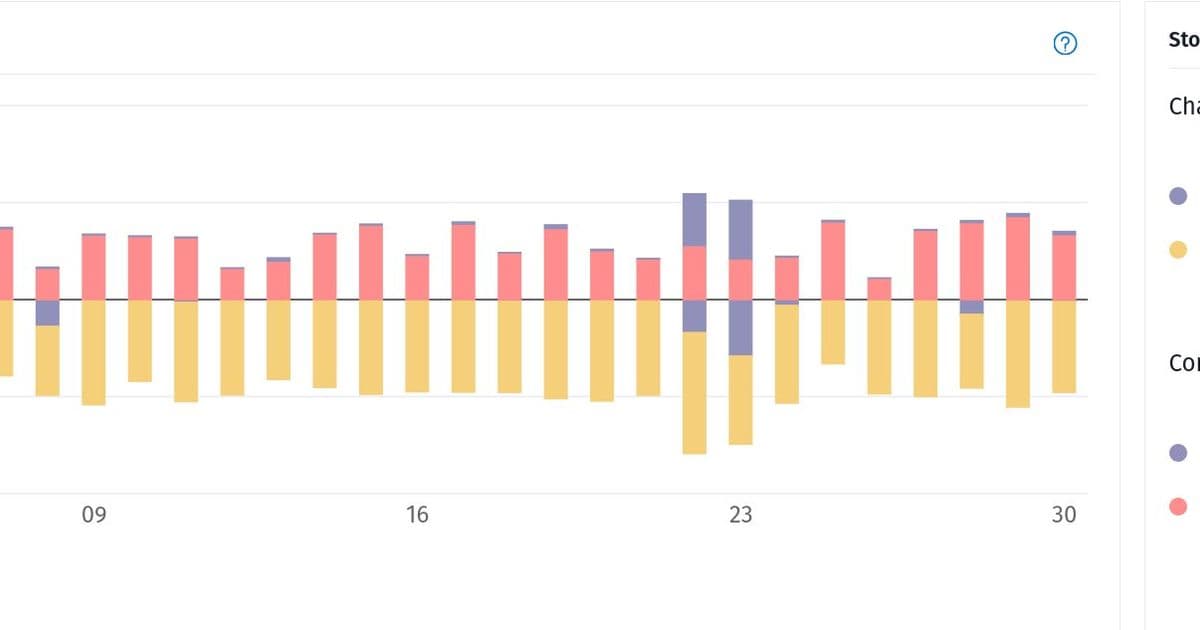
A detailed look at real-world home battery economics, showing how variable electricity pricing and solar integration can deliver substantial savings despite complex calculations.
After 30 months of operation, a UK homeowner has saved approximately 3MWh of electricity using a home battery system, translating to roughly £1,000 in reduced energy bills. The installation of a Moixa 4.8kWh solar battery in August 2023 has proven to be a practical investment, though the economics involve navigating the complexities of variable electricity pricing.
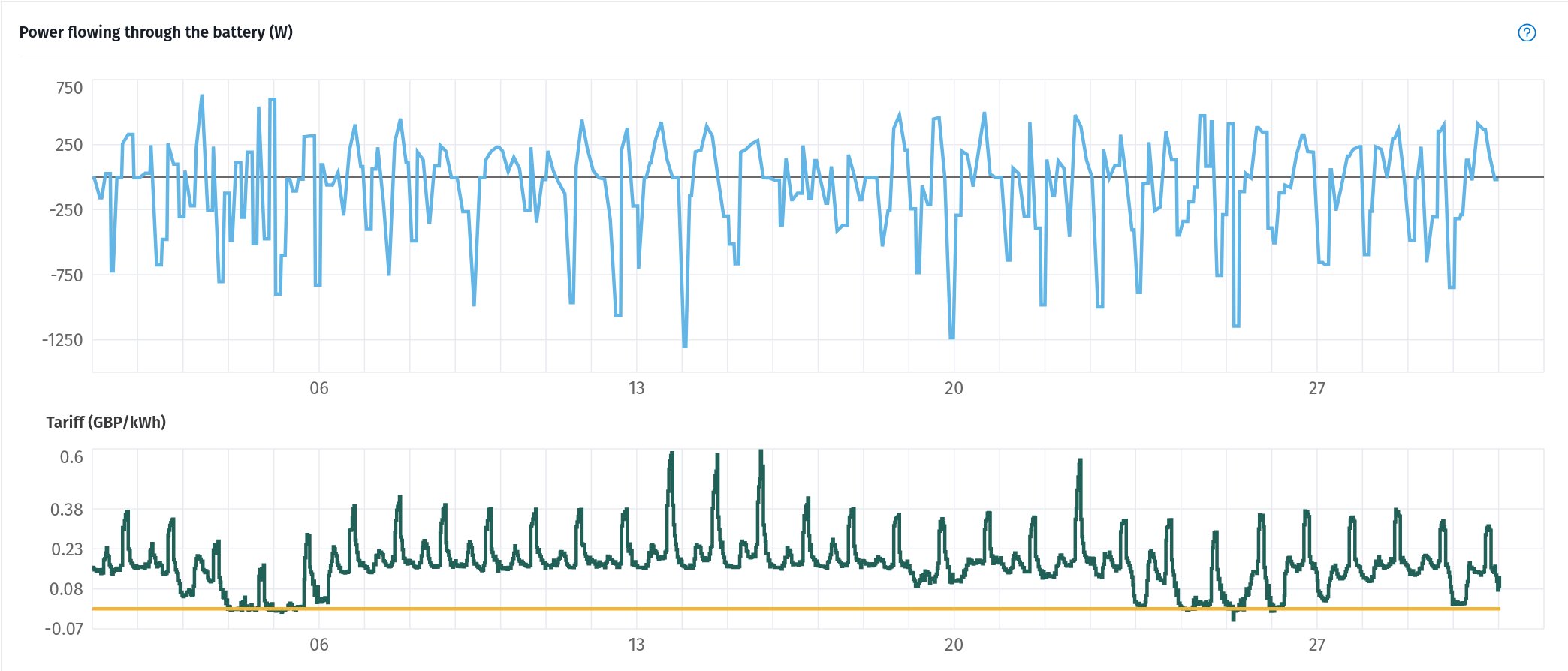
The battery's operation is governed by sophisticated energy management that responds to the UK's variable electricity tariff system. Prices fluctuate every 30 minutes, ranging from zero during periods of excess renewable generation to as high as 60p per kWh during peak demand. This dynamic pricing creates opportunities for strategic energy storage and consumption.
During October 2025, the battery demonstrated its value by charging when electricity was cheapest and discharging during expensive peak periods. The system uses its internet connection to download the next day's tariff schedule and plan accordingly. When grid prices drop to zero or even go negative—meaning consumers are paid to use electricity—the battery fills up. Conversely, it discharges when household demand exceeds solar production or when grid prices spike after sunset.
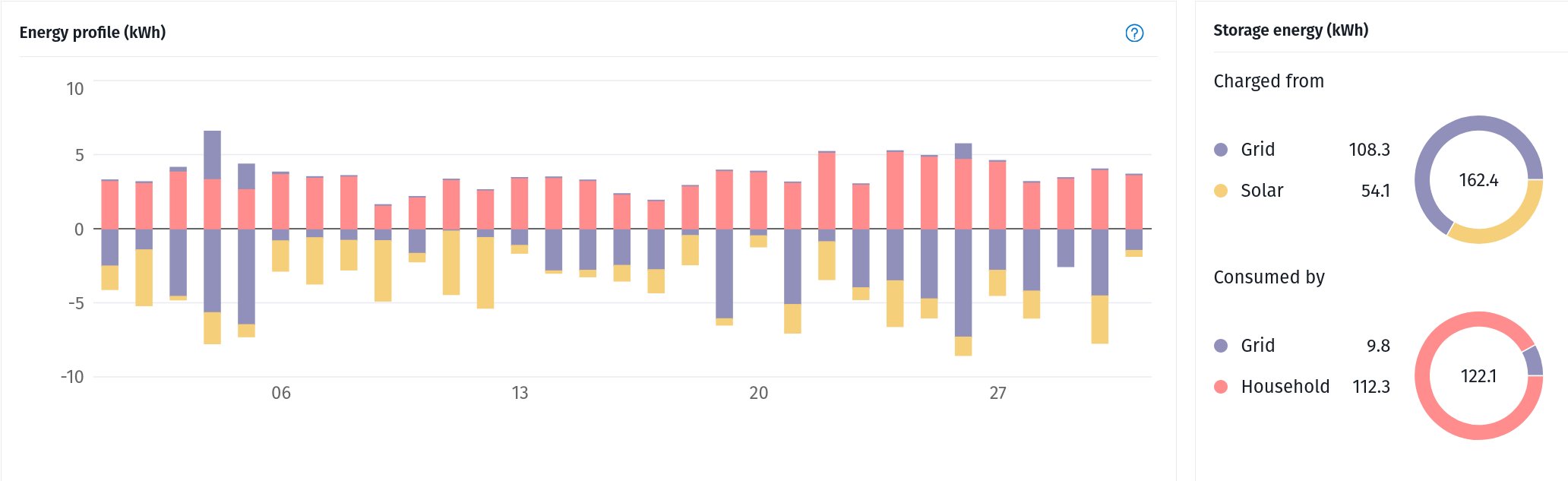
The seasonal variation in energy patterns is significant. In October, approximately one-third of the battery's stored power came from solar panels, with 92% consumed by the household and the remainder sold back to the grid when profitable. By contrast, during sunny June 2025, only 12% of charging came from the grid, with 88% provided free by solar power. The abundance of solar in summer months even allowed for 15% of the battery's capacity to be sold back to the grid.
Calculating the financial benefits proved challenging. The homeowner experimented with various charts, graphs, spreadsheets, and modeling approaches before settling on a simplified method: assuming savings based on the energy price cap value of a kWh, which ranges from 25p to 35p. This approximation yielded the round figure of £1,000 in savings over 30 months.
The investment analysis reveals a 6-7 year payback period for the £2,700 installation cost, which included supply, installation, and commissioning. This timeframe could shorten if energy prices rise. The battery shows no capacity degradation after 2.5 years, suggesting potential for many more years of savings before requiring replacement.
Home battery technology continues to evolve, with costs decreasing and capacities increasing. While current systems cannot store an entire home's electricity consumption, they offer a way to pre-pay for energy usage and hedge against price volatility. For homeowners who can manage the upfront investment, these systems provide both economic benefits and greater energy independence in an increasingly unpredictable energy market.
The case demonstrates how variable electricity pricing, combined with solar integration and smart battery management, can create a compelling economic case for home energy storage—even when the underlying calculations are anything but simple.
Comments
Please log in or register to join the discussion