Asian governments scramble to protect citizens and assess regional security implications as US and Israeli military actions against Iran escalate tensions across the Middle East and threaten global energy markets.
Asian governments scrambled Saturday to respond to escalating military strikes by the United States and Israel against Iran, as President Donald Trump declared the start of "major combat operations" and called for regime change in Tehran. The coordinated attacks have sent shockwaves across Asia, with nations from Malaysia to Japan assessing the security implications and potential economic fallout from a rapidly deteriorating situation in the Middle East.
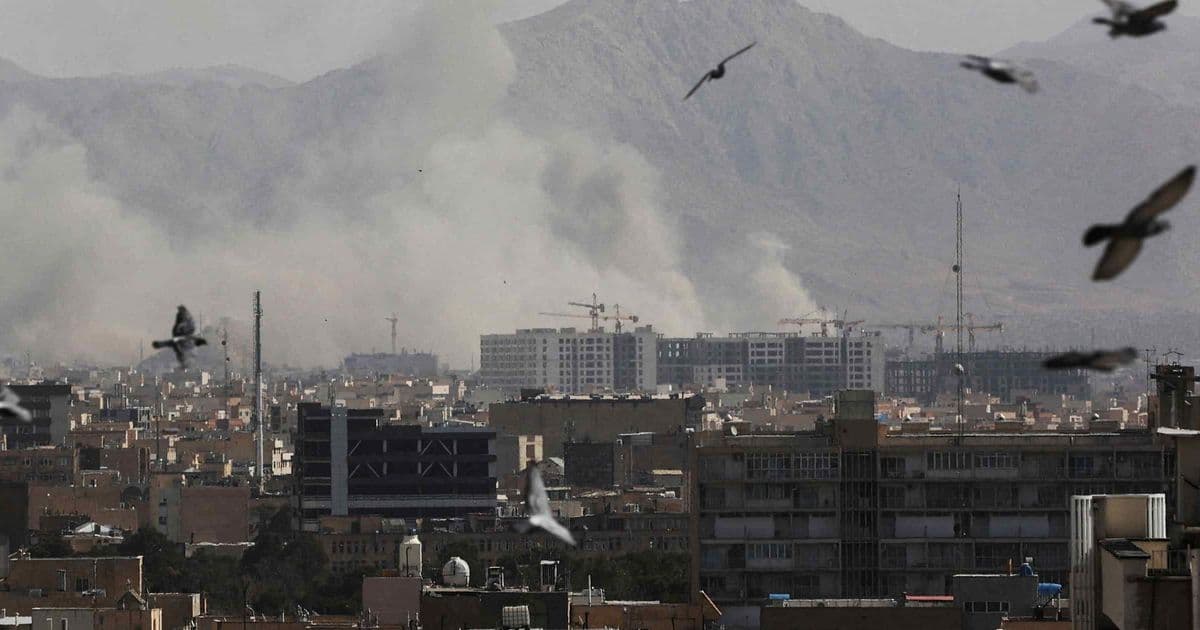
Smoke rises following an explosion in Tehran after Israel and the U.S. launched strikes on Feb. 28. (West Asia News Agency via Reuters)
The military escalation comes at a particularly sensitive time for regional diplomacy, as Asian nations have been working to balance their relationships with both Western allies and Middle Eastern partners. Malaysia's Prime Minister Anwar Ibrahim warned of "catastrophe" as governments across the region vowed to protect their citizens and monitor the rapidly evolving situation.
Regional security concerns
The strikes have raised immediate security concerns for Asian nations with significant expatriate populations in the Middle East. Countries with large numbers of workers in Gulf states are particularly worried about potential spillover effects and the safety of their citizens.
Japan, which maintains diplomatic relations with Iran and has significant energy interests in the region, faces a delicate balancing act. The reported detention of a Japanese national, believed to be an NHK journalist, in Iran adds another layer of complexity to Tokyo's response.
Economic implications
The military action threatens to disrupt global energy markets at a time when Asian economies are particularly vulnerable to oil price shocks. Iran's oil exports had recently hit a seven-year high despite U.S. sanctions, demonstrating the country's ability to maintain production even under pressure.
China, which has been developing its digital yuan as part of broader efforts to reduce dependence on the U.S. dollar in international trade, may see the crisis as both a challenge and an opportunity. The country has condemned Trump's threat of tariffs on Iran's trade partners, highlighting the complex web of economic relationships at stake.
Diplomatic fallout
The strikes have complicated ongoing diplomatic efforts in the region. India and Israel recently signed technology and cybersecurity pacts during Prime Minister Modi's visit, signaling a strengthening partnership that could be affected by the escalating conflict.
The Trump administration's push for a "Board of Peace" has created diplomatic crossroads for Asian nations, with Pakistan's inclusion in the proposed body risking backlash from various stakeholders.
Regional responses
Asian governments are taking varied approaches to the crisis:
- Malaysia: Prime Minister Anwar has warned of catastrophic consequences and pledged to protect citizens
- Japan: Monitoring the situation closely while dealing with the detention of a Japanese journalist
- China: Condemning U.S. threats of tariffs and calling for restraint
- India: Balancing its growing ties with Israel against regional stability concerns
Energy market impact
The timing of the strikes is particularly significant given recent developments in Iran's energy sector. Despite U.S. sanctions, Iran had managed to increase its oil exports to a seven-year high, demonstrating the limitations of economic pressure alone.
Asian energy markets, which rely heavily on Middle Eastern oil, face potential price volatility and supply disruptions. Countries like Japan, South Korea, and China are particularly exposed to any significant changes in regional oil production or shipping routes.
Looking ahead
The escalation raises questions about the long-term stability of the region and the effectiveness of military intervention as a strategy for addressing Iran's regional ambitions. Asian nations, many of which have significant economic ties to both Iran and its adversaries, will need to carefully navigate the evolving situation.
The crisis also highlights the interconnected nature of global security challenges, with developments in the Middle East having immediate ripple effects across Asia's political, economic, and security landscapes.
The coming days and weeks will be critical in determining whether diplomatic efforts can contain the situation or whether the region is headed for a more prolonged period of instability that could have far-reaching consequences for Asian nations and the global economy.
Comments
Please log in or register to join the discussion